
Target CEO to step down over sluggish performance – following pro-DEI boycott
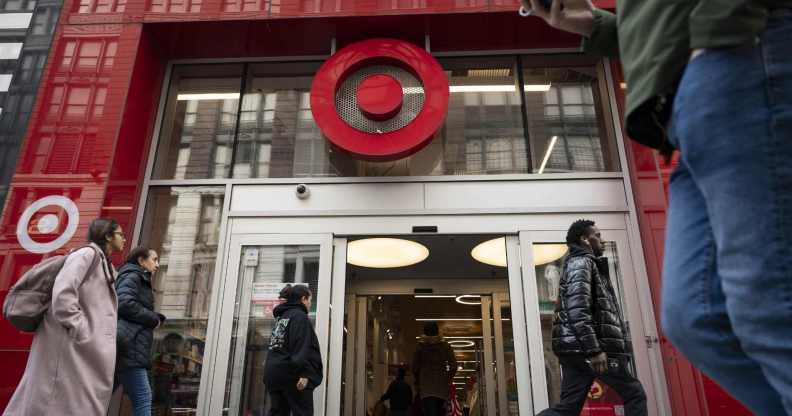
In April, foot traffic was reportedly down at Target over customers’ DEI boycott (Mostafa Bassim/Anadolu via Getty Images)
Target CEO Brian Cornell is stepping down from his role as the retailer continues to face controversy and a slump in sales for its retreat on its diversity, equality and inclusion (DEI) policies.
Cornell’s departure – after 11 years with the company – was not unexpected, reports CNN. He will be replaced by Michael Fiddelke, Target’s current chief operating officer, on 1 February 2026.
Cornell will stay on as executive chairman at the retail giant, saying in a call with analysts on Wednesday (20 August) that Fiddelke is the “right candidate to lead our business back to growth”.
The decision comes after Target has struggled financially and experienced decreasing foot traffic in recent months following a controversial decision to axe its DEI policies.
Back in January, just four days after Donald Trump’s inauguration for his second term as president, Target announced plans to end its three-year DEI goals. Whereby the retailer would eliminate hiring goals for minority employees, close down an executive committee focused on racial justice and no longer take part in external diversity surveys such as the Human Rights Campaign’s Corporate Equality Index.
The move was seen by many as pandering to the GOP’s self-created ‘war on woke’.

Shortly after his inauguration, Trump signed an executive order eliminating DEI programmes and policies in the US government, military and wider American society, after he claimed he had gotten rid of “the woke crap” in government.
At the same time, Target was also facing the ire of former music video director-turned-right-wing pundit Robby Starbuck, who has been leading a conservative boycott campaign of US brands to “bring sanity back to corporate America”.
The attacks on DEI from supporters of Starbuck led to several big name brands – including Ford, Lowe’s, Harley-Davidson and Jack Daniel’s – deciding to scrap long-standing polices which support minority employees.
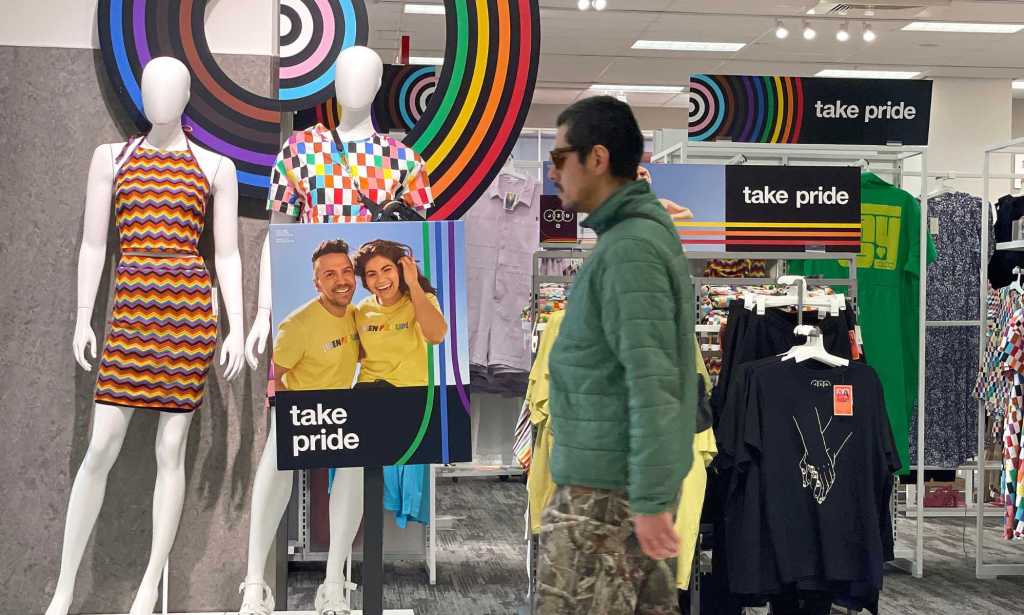
Back in May 2023, Target also bowed to right-wing pressure when it confirmed that year’s Pride merchandise would be moved to the back of some stores in southern states, and removed entirely from others, following backlash from conservative shoppers.
LGBTQ+ artists who collaborated with Target on the Pride products, as well as other members of the community, criticised the brand for “caving” and urged the retailer to restock the merchandise.
Prior to scrapping its policies, Target was seen as an relatively progressive organisation to work at.
After the murder of George Floyd in Target’s home city of Minneapolis in 2020 – just ten minutes from the brand’s headquarters – the company became a leading advocate for DEI policies whereby it pledged to spend more than $2 billion with Black-owned businesses by the end of 2025. This promise included adding more products from 500 Black-owned vendors to stores, supporting Black-led nonprofits with $100 million and providing scholarships to students attending historically black colleges.
Further to this, Target supported same-sex marriage before it was legalised across the US in 2015, was one of the first national retailers to allow trans employees and customers to use the bathrooms corresponding with their gender, and has sold a wide range of Pride merchandise for Pride Month.
“The greatest insult comes from Target”
At the start of February, in response to the rollbacks, a national boycott of Target took place to coincide with Black History Month, launched by civil rights activists in Minneapolis.
Rev Jamal Bryant, the pastor at a Georgia megachurch led a 40-day “fast” of Target during Lent, telling CNN: “They hear me, the cash register hears me. We saw [Target] as a friend. They championed diversity, so we were in shock when they reversed their stance.”
An online petition was also launched, which read: “We have witnessed a disturbing retreat from Diversity, Equity, and Inclusion (DEI) initiatives by major corporations. The greatest insult comes from Target.”

Alongside this boycott, shoppers also initiated a 24-hour boycott on several different brands that had rolled back their DEI initiatives, with the 28 February economic blackout aimed to impact Target, Walmart, Best Buy and McDonald’s.
Organiser John Schwarz said the boycott was in response to “corporate greed” and intended to show these companies that “we the people are the system”.
“For decades, they have told us that we are powerless, that we have no control, and that this system is too big, too strong, too unshakable,” he said. “We are going to remind them who has the power. For one day, we turn it off for one day. We shut it down for one day. We remind them that this country does not belong to the elite, it belongs to the people, and this will work.”
In April, it was revealed footfall at Target stores had dropped considerably following the brand’s departure from DEI.
According to data from analytics firm Placer.ai footfall at Target stores dropped nine per cent year-on-year in February and 6.5 per cent year-on-year in March.
Target’s replacement strategy, called Belonging at the Bullseye, said the company was still committed to “creating a sense of belonging for our team, guests and communities”.