
UK trans man ‘denied gender recognition because he wanted to conceive a child’
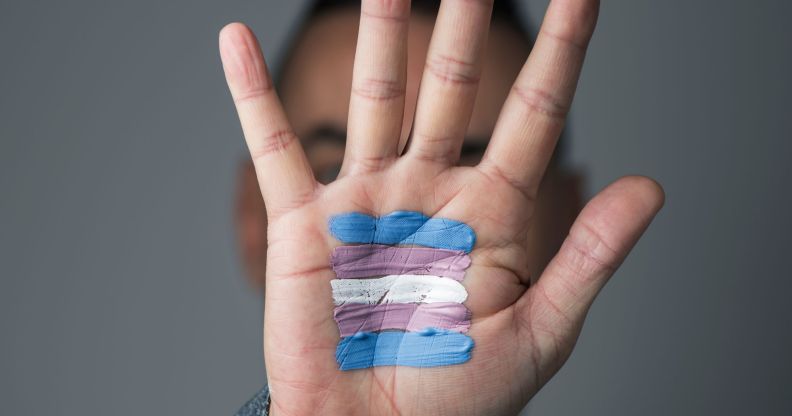
The unnamed trans man is planning to challenge the decision in Court. (Getty)
A trans man is challenging the Gender Recognition Panel after they denied his gender based on his desire to have kids.
The unnamed UK resident’s request to have his gender legally recognised was denied by the panel, who reportedly rejected his application over his intention to conceive.
Under the Gender Recognition Act, trans UK citizens can obtain a Gender Recognition Certificate (GRC) to have their identity recognised on legal documents and identification.
Applicants must have a gender dysphoria diagnosis, be over 18, prove they have been living as their affirmed gender for at least two years, and that they “intend to live in this gender for the rest of [their] life.”
In its ruling opinion on the trans man’s request to obtain a GRC, the panel reportedly argued that his intention to conceive a child meant he had not been living as a man.
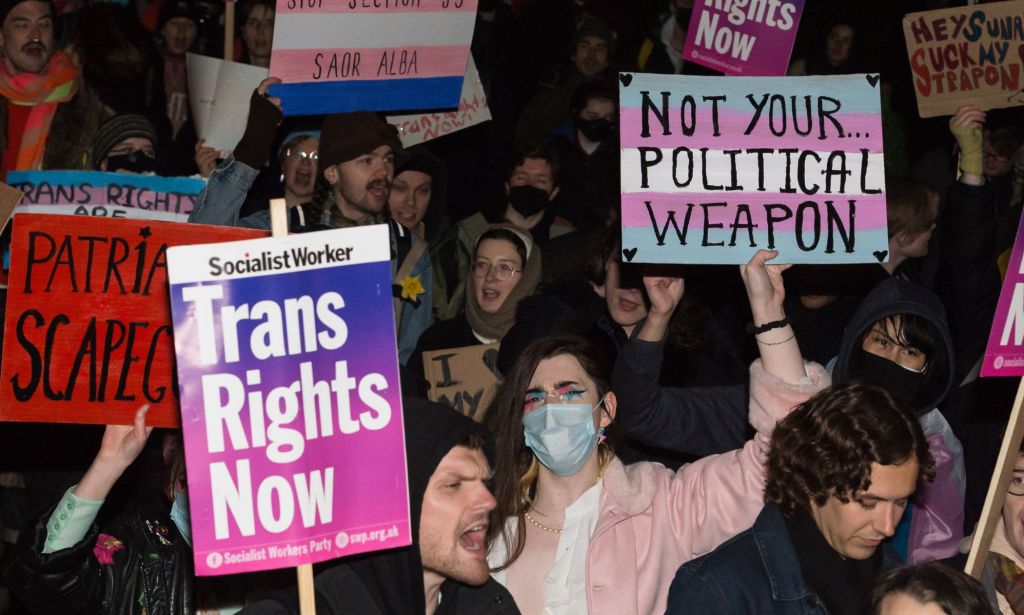
Lawyers at Good Law Project, a legal group which is representing the trans man, appeared in the High Court in July challenge the panel’s decision, arguing that it breaches the plaintiff’s human rights.
The legal organisation argued that the decision contradicted the European Court of Human Rights, which it said has upheld the position that trans people should not have to stop trying to conceive or be “sterilised” to have their gender recognised.
Jess O’Thomson, a spokesperson for Good Law Project, said it has “never been more important to fight decisions like these” amid increased political and systemic attacks on the trans community in the UK.
“Trans people are being ripped up,” O’Thomson continued. “And it feels like no one has the courage to say so. Requiring that a minority does not have children reeks of eugenics.”
Sterilisation is a requirement for legally changing gender in at least 25 countries at the time of reporting. It is illegal in 106 countries.
Legally changing gender was not possible in the UK until 2005, after the European Court of Human Rights (ECHR) ruled that, by refusing to recognise trans people, the UK violated international human rights laws.
O’Thomson argued that, similarly, the Gender Recognition Panel’s denial of the applicant’s request “violates trans people’s human rights.”
Good Law Project vowed to fight the “archaic rollbacks” of trans rights and said it would publish the High Court’s decision “as soon as we can.”