
Scottish schools told to base toilet policies on ‘sex at birth’
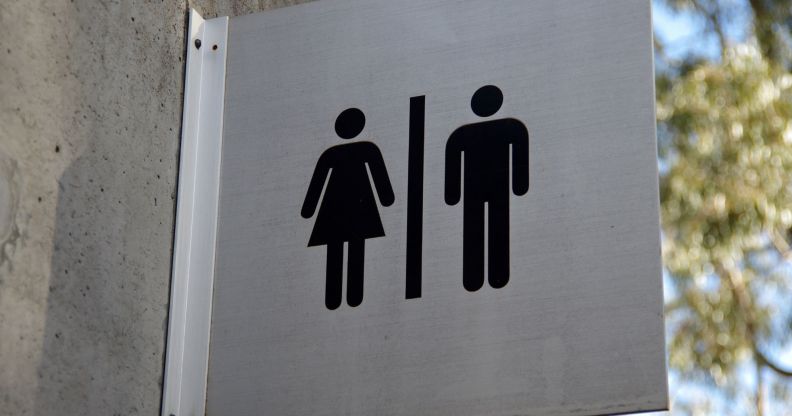
Public schools in Scotland have been pressured to base their toilet policy on ‘biological sex’. (Getty)
State schools in Scotland have been pushed to create toilet policies based on “biological sex”, under updated guidance from Holyrood.
New recommendations issued by the Scottish government on Monday (29 September) called for all schools to have separate facilities, including toilets and changing rooms, for boys and girls “on the basis of biological sex”.
For the purposes of the guidance, the term “biological sex” referred to “sex recorded at birth”, and schools will also be “required to provide accessible facilities for young people with a disability”.
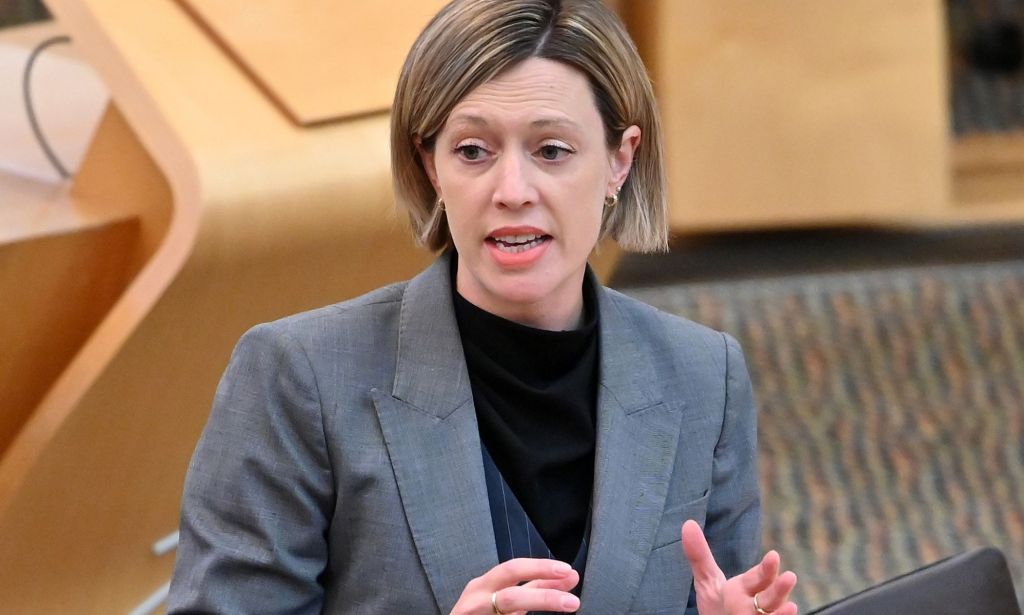
Announcing the changes, education secretary Jenny Gilruth said updates to the Scottish government’s guidance on supporting transgender pupils were designed to provide “clarity” following the UK Supreme Court ruling regarding the definition of the word “woman” in the 2010 Equality Act.
The Equality and Human Rights Commission used the ruling to update its guidance on single-sex service provisions, which are expected to exclude trans people from gendered facilities consistent with their gender identity.
Holyrood’s new guidance will allow education authorities to introduce gender-neutral provisions where necessary and went on to suggest: “In reaching a proposed approach, schools should also consider the impact of any increased use of accessible facilities to ensure that all pupils who require to use them are able to do so.”
Gilruth told BBC Scotland that the Supreme Court ruling was “very clear” but refused to comment on whether trans women would be banned from single-sex facilities.
However, some lawyers have questioned the validity of policies excluding trans people from single-sex facilities based on the court’s verdict. Earlier this month, non-binary barrister Oscar Davies told PinkNews that the judgement did not give organisations or institutions the right to discriminate against transgender men and women.
“The Equality Act is meant to be a shield rather than a sword,” Davies said. “It’s not meant to attack people and get rid of their rights. If you have a single-sex space, my interpretation is that a trans person can still go into that single-sex space but if someone complains, they can bring a sex discrimination claim.
“Even if you do have a single-sex space, the exclusion must be proportionate, which means that the rights of whoever wants to be in a single-sex space, if [someone is] complaining, have to be counterbalanced against the rights of a trans person.
“Those rights still exist. The law hasn’t changed on that.”
Other legal experts have claimed the Supreme Court judges had made “significant errors” in coming to their conclusion and had ignored important equality laws.
Share your thoughts! Let us know in the comments below, and remember to keep the conversation respectful.