
NHS puberty blockers trial ‘designed to reach negative conclusion’, trans rights group argues

TransActual has argued the NHS puberty blockers trial is ‘inherently coercive’. (Getty)
The NHS’ puberty blockers trial is “designed to reach a negative conclusion”, according to a leading UK trans rights organisation.
TransActual healthcare director Chay Brown claimed the upcoming PATHWAYS trial is “inherently coercive” and “inappropriate”.
The £10 million independent study headed by researchers at King’s College London (KCL) will analyse the physical and social wellbeing of trans young teenagers taking puberty suppressants.
It was commissioned by the NHS in the wake of the government’s decision to indefinitely extend a ban on the treatment, which helps to align trans young people with their gender identity. There is no explicit evidence suggesting that puberty blockers are inherently harmful.
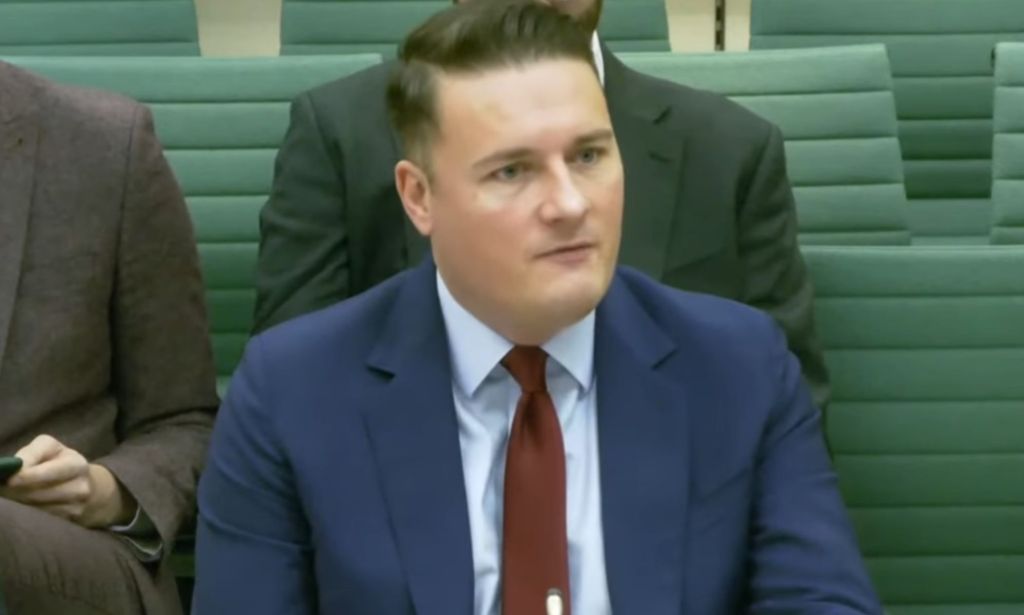
Health secretary Wes Streeting extended the former Tory-government’s ban in the wake of the highly controversial Cass Review – an independent report into trans youth healthcare provision that called for a “holistic approach” to treatment.
Speaking to the British Medical Journal (BMJ), Brown heavily criticised the trial’s methodology, which will require under-18s to undergo hours of medical assessments that critics have deemed “invasive”.
“The trial’s methodology is inherently coercive and inappropriate in what it is measuring – as though it is designed to reach a negative conclusion,” he claimed. “Gender related healthcare for young people has become a mess, treating patients with suspicion and delaying and banning treatments based on treating being trans as a risk rather than natural human variation.”
NHS PATHWAYS trial violates ethical standards, health bodies say
Several major health organisations have expressed concern over the NHS trial, as well as the UK government’s reluctance to prescribe puberty blockers despite international research labelling them as safe, effective, and potentially life-saving.
The World Professional Associations for Transgender Health (WPATH), alongside its European (EPATH) and US (USPATH) counterparts, argued the PATHWAYS trial violates ethical standards on voluntary informed consent because it is currently the only way to publicly access the treatment.
“Ethical research must be voluntary, clinically sound, and designed with the well-being of participants at its core,” the organisations wrote in a statement last week.
Criticism has also come from ‘gender-critical’ campaigners, who argue the trial should be scrapped altogether because of the belief that puberty blockers are inherently harmful.
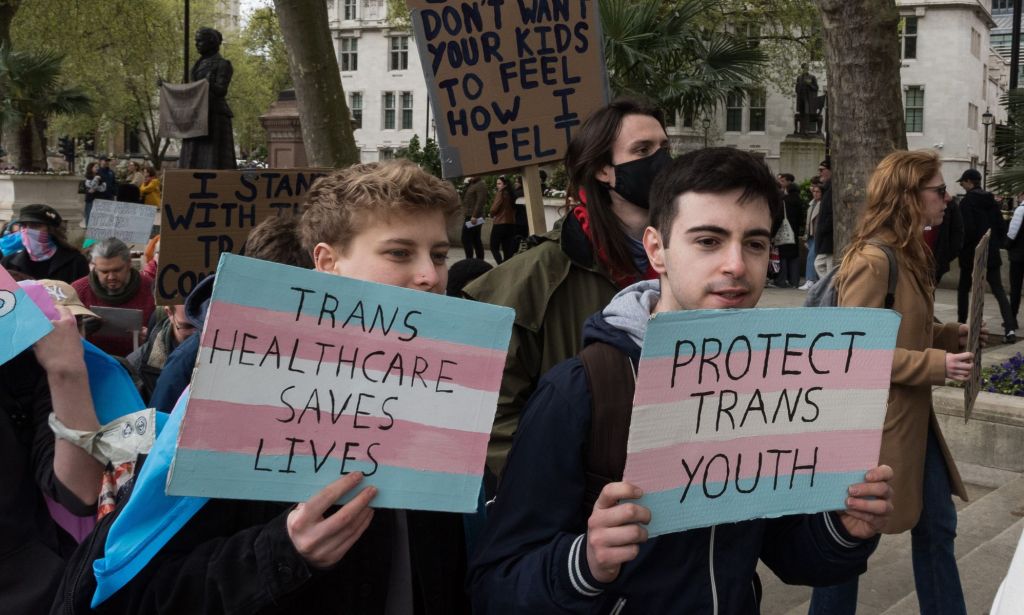
Speaking against those claims, Brown said that TransActual supports “ethical and expansive” research on puberty blockers but claimed that the NHS had failed to ensure its research is “measuring health and wellbeing outcomes appropriately”.
He pointed to comments from Canadian physician Dr Gordon Guyatt – who coined the term “evidence-based medicine” – who argued that the scarcity of evidence on the long-term usage of puberty suppressants was not an acceptable reason to ban them.
“It is profoundly misguided to cast health care based on low-certainty evidence as bad care or as care driven by ideology,” he said in a September article for Mother Jones. “Many of the interventions we offer are based on low certainty evidence, and enlightened individuals often legitimately and wisely choose such interventions.”
Streeting has routinely cited a “lack of evidence” as justification for extending the puberty blockers ban. The treatment is still regularly given to cisgender youngsters for issues such as precocious puberty.
Brown further argued puberty suppressants would be considered an effective intervention “if they weren’t associated with being trans”.
He added: “It is ironic to see the same people who championed the discredited Cass Review now turn on the clear recommendations of that review for further research – yet another sign of how deep anti-trans sentiment has sunk its claws into UK politics.”
Share your story! Do you have an important, exciting or uplifting story to tell? Email us at [email protected]