
Blackmail, murder, love letters and ‘queens’: The secret queer history of UK palaces
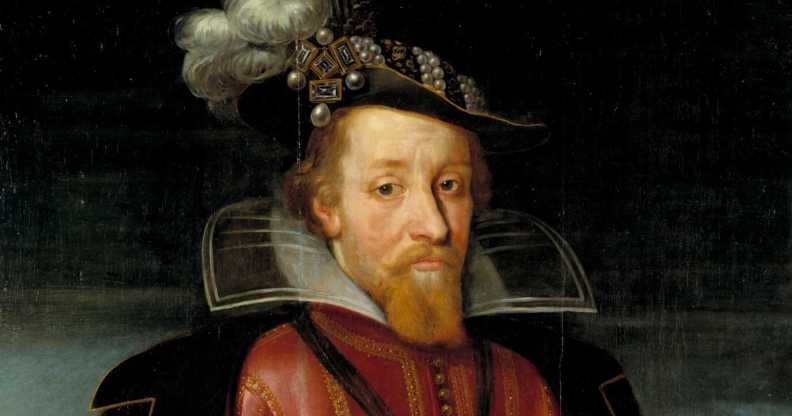
Portrait of King James I of England (1566-1625). (Fine Art Images/Heritage Images/Getty Images)
Queer history is often overlooked, but one historian is determined to ensure it’s remembered just as well as that of King Henry VIII.
Gareth Russell, historian and author of Queen James: The Life and Loves of Britain’s First King?, has an avid love of history, so much so that he is an ambassador for the Historic Royal Palaces and its first ever Inspiring History Teaching Awards.
The Historic Royal Palaces is an independent charity that looks after six royal palaces in the UK: the Tower of London, Hampton Court Palace, Banqueting House, Kensington Palace, Kew Palace and Hillsborough Castle and Gardens.
Speaking to PinkNews, Russell shared insight into the lesser-celebrated LGBTQ+ stories from history, many of which unfolded within the charity’s much-loved palaces.
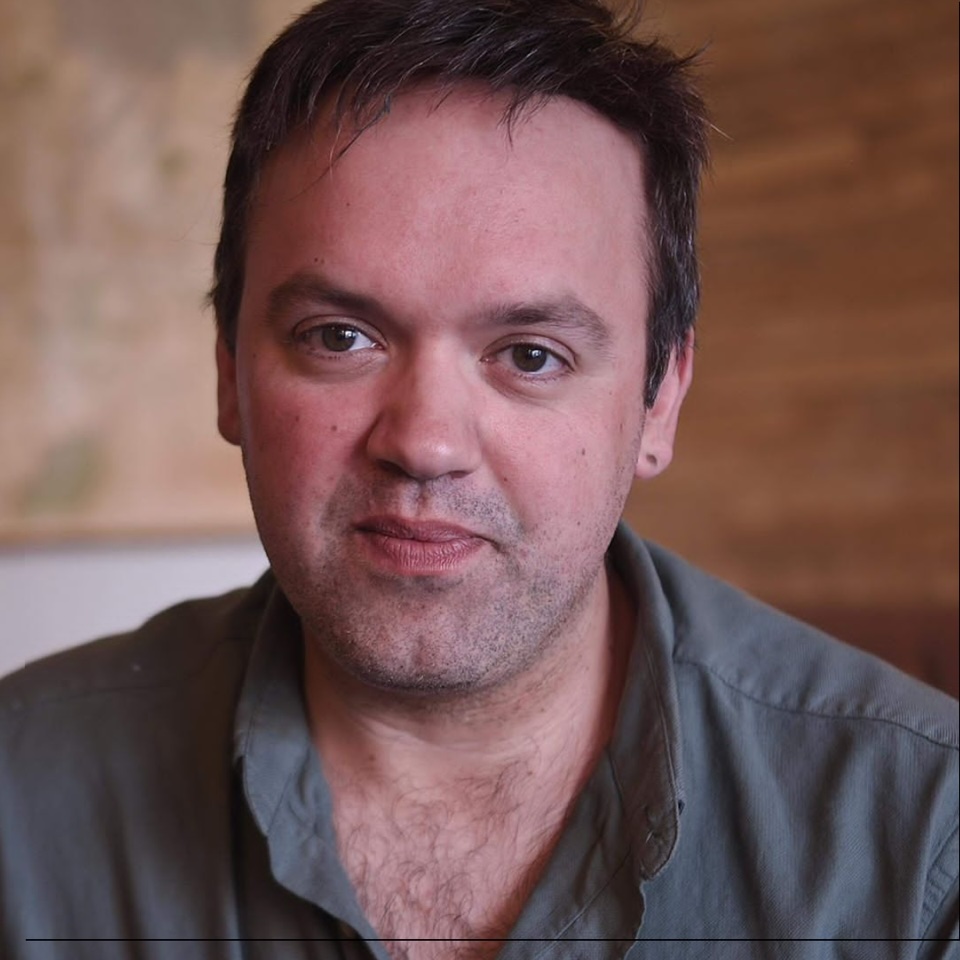
Hampton Court
“Relationships that were passionate, scandalous and physical, but also deeply emotional” have roots at Hampton Court, Russell began.
“We know that James I, who spent lot of time there between 1603 and 1625, gave an entire ground floor of rooms to his lover, the Duke of Buckingham.
“Their bedrooms were directly connected to each other by a private stairway. In the Great Hall, he often hosted masquerade balls, where one of his earlier boyfriends – a Welsh aristocrat called Lord Philip Herbet – would dance in very revealing costumes as various knights and Greek heroes.”
Russell described Philip as “very strong, muscular and well built”, so much so that he said one of his performances became unforgettable.
One day, he “overestimated his strength and didn’t rehearse in costume”, Russell shared, adding, “there were so many jewels sewn into the mantle that, midway through the dance, he started to buckle under the weight of it in front of the King”.
“So always rehearse in costume,” he joked.
He said that this historical tale is one of his favourites: “I find it thrilling to think of the masquerades with Philip. To think there was a King like James who was so open about it, that it was celebrated in a way, and also the humour of someone like Philip Herbet buckling under the weight of his own costume. It reminds us that same-sex love affairs and queer history weren’t all tragedy and weren’t all lived in the shadows.
“There were moments of light, openness, grandeur and frivolity – all things that go into great love stories.”
Russell said Hampton Court is the place of the King James I’s “many important love affairs”.
Alongside Lord Philip Herbert, he named Robert Carr, the Earl of Somerset, and George Villiers, the 1st Duke of Buckingham, among the King’s lovers.
“These were very open secrets,” he said.
Some of the earliest “fully surviving erotic and romantic same-sex letters from royalty” exists because of these relationships, Russell explained.
“There are letters in which the Duke of Buckingham says he cannot wait to feel the King’s thighs in his arms again. There’s one where the King says that he’d rather live banished without his throne, if that meant keeping George at his side, than live a widow’s life without him.”
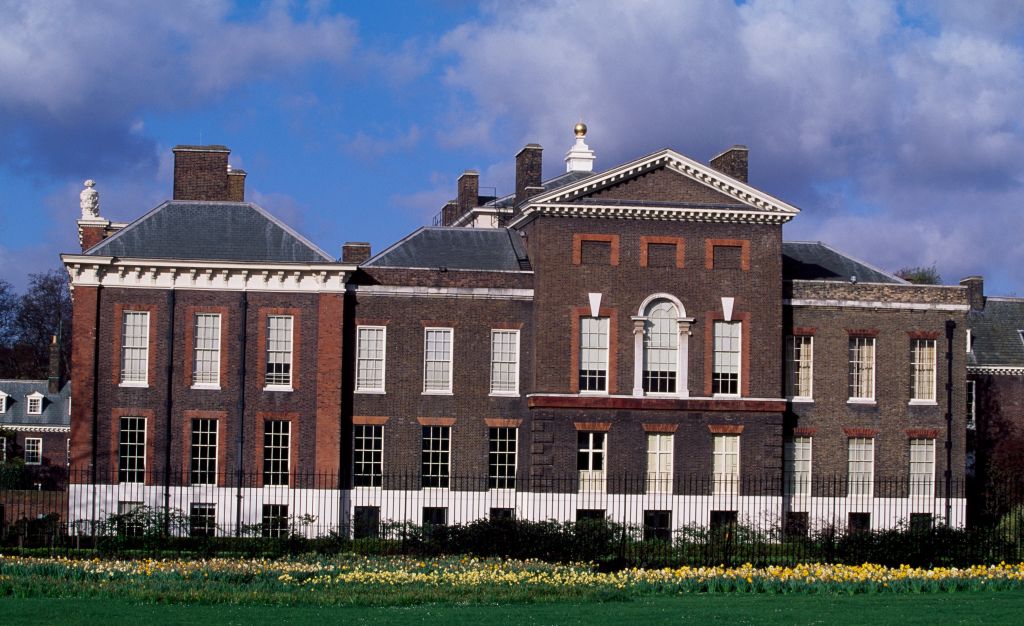
Kensington Palace
James’ granddaughter, Queen Anne, who reigned from 1702 to 1714, was considered by many a lesbian.
“The difficulty we encounter with lesbian intimacy across history is that it wasn’t subjected to moral panic campaign in the same way as male homosexuality.
“Yet it’s very clear that there seems to have been a triangle of love between Queen Anne, the Duchess of Marlborough and Lady Masham,” a love which Russell shared went on to inspire 2018’s The Favourite.
“It’s in Kensington Palace that you get a sense of the world in which these three women lived and competed for affection,” he said.
The Tower of London
“There was a gay blackmailing scandal that ends in murder. A diplomat called Thomas Overbury, who went to Oxford, and you would know it, because he would make sure you knew it. He was a man of great intelligence and even bigger ambition.
“He was romantically involved with a Scottish coordinator called Robert Carr, who later caught the eye of King James I. Thomas hoped to use this to climb his way up the greasy pole of politics.
“He eventually overreached himself and tried to blackmail Robert with details of his intimacy with the King,” Russell explained.
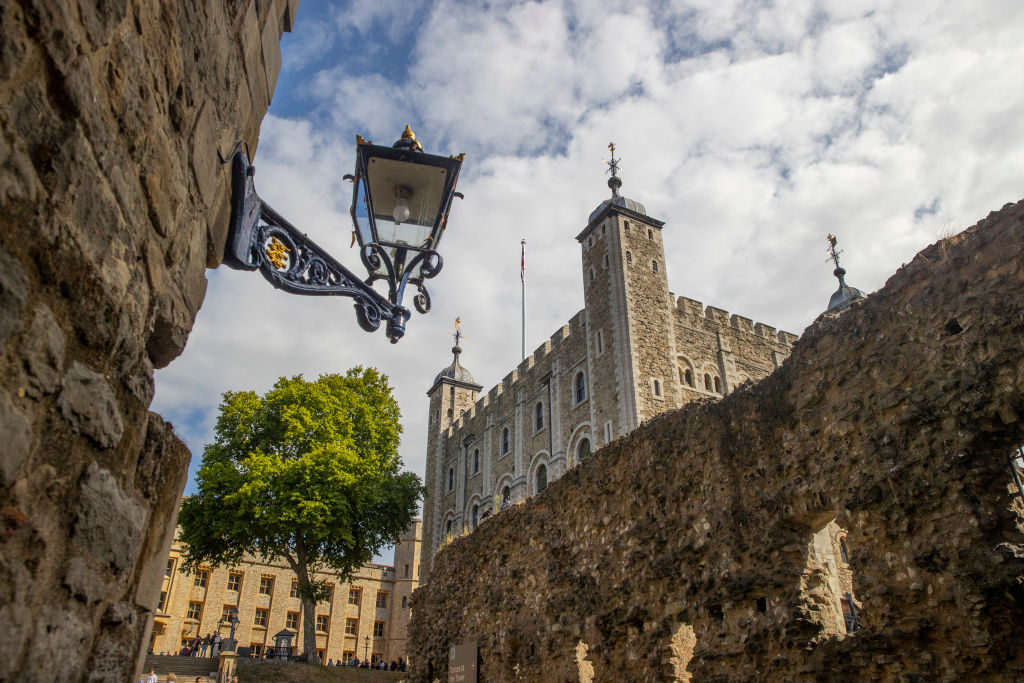
According to the historian, James’ jealously overcame him, and he sent Thomas to the Tower of London for allegedly “disobeying a royal command”. However, Russell noted that “people suspected it was a wounded heart” that prompted the decision.
Russell continued: “Thomas died in the tower in his thirties. He had been very sick for some time, while Robert entered into a political marriage with a very grand lady of court, Francis Howard.
“She was the only person who had shown kindness to Thomas during the blackmailing scandal, but she’d in fact sent him poisoned treats and blackmailed the doctors into administering poison in his enemas while he was ill. She feared he would use the scandal to destroy her and her husband’s position.
“One of their servants eventually revealed what had occurred, and it resulted in one of the biggest court scandals of the 17th century.”
Russell revealed that around the time of Thomas’ death, poems began circulating about how he had been poisoned.
“The joke in London was: we dare not say how Overbury died, expect that he was poisoned from every side.”
Reflecting on the importance of telling queer stories from the past, Russel said: “You get to make them as dysfunctional as heterosexual ones, and you get to make them as important as, say, Henry the VII and Anne Boleyn.”
Hillsborough Castle
It was at Hillsborough Castle in the 1980s that the Late Queen Mother, Elizabeth Angela Marguerite Bowes-Lyon spent a great deal of time, Russell shared.
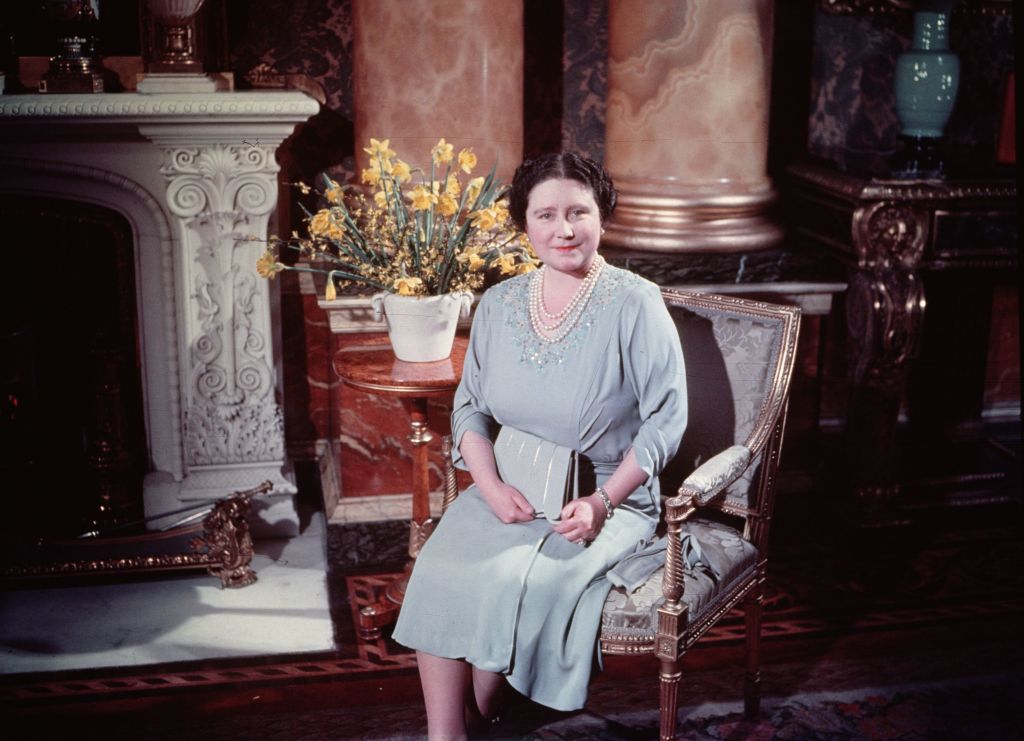
“Two of the people who often accompanied her were long standing servants, William Tallon and Reginald Wilcock.
“Both of them were gay, and they joined her household when homosexuality was still illegal. She had understood what was happening because William and Reg fell in love with each other. They both worked for her for half a century and they frequently travelled with her to Hillsborough.
“In 1967, when homosexuality was decriminalised, a right-wing political went to see the Queen Mother and urged her to send a moral message to the nation by dismissing any homosexuals on her staff.”
Russell continued: “She replied, ‘Well, there’s so many of them, and if I did that, I’d have to go self-service.
“William, who was nicknamed ‘Backstairs Billy’, and Reg, would sometimes argue, and on one occasion they forgot to bring the Queen Mother her evening drink. She was heard calling down the corridor: ’When you find a moment, could one of you old queens fetch this old queen her drink?’”
Kew
Lord Hervey also helped shape LGBTQ+ history while moving between Kensington Palace, Hampton Court and Kew.
Hervey was bisexual and was “described as the best dinner party guest you could hope for”, Russell said.
“He had a scorching repertoire of put downs. He wrote of a countess who thought every mirror was paying her a compliment, but did not realise that nobody else was.
“Interestingly, he had eight children with his wife, Mary Lepell, and was best friends with our first prime minister, Robert Walpole.
“There were also rumours that he was close friends with Queen Caroline, that he had a fling with her son, Frederick, Prince of Wales, and that the two of them may have been in a three-way relationship with a lady of court.”
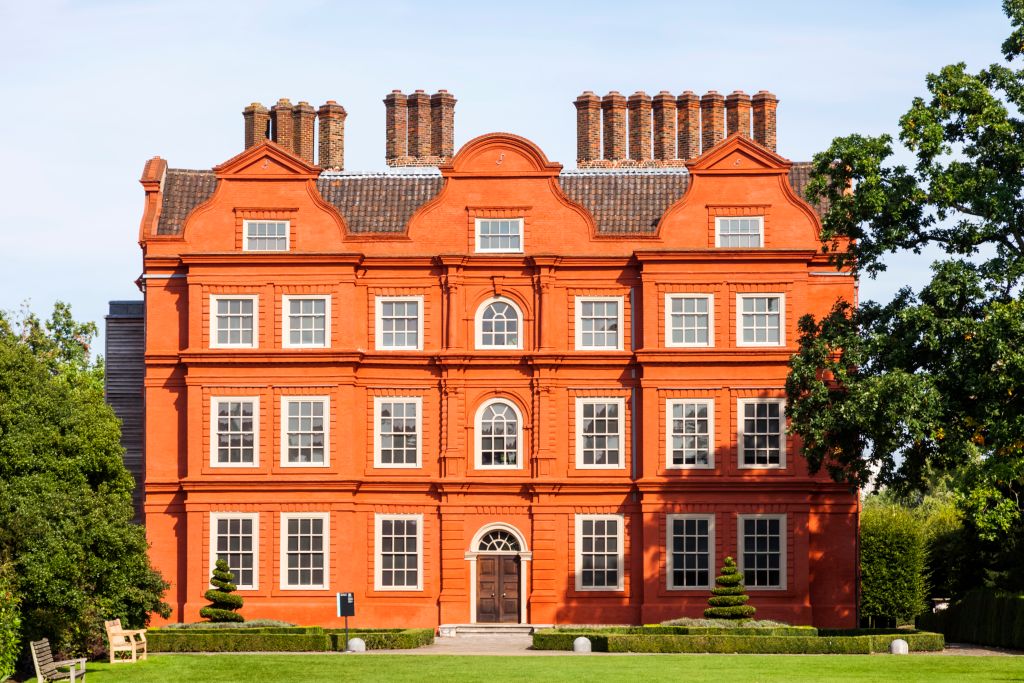
However, Russell said the greatest love affair of Hervey’s life was with a member of parliament called Stephen Fox, who was his lover from 1726 to 1736.
Together, Russell explained, the pair brought a house in London’s Great Burlington Street, and Fox would often visit Hervey at Hampton Court and Kensington Palace.
In one love letter, Stephen reminisced on a “love bite” on his left thigh, which he wrote he would “press to remember him”. Russell referred to their relationship as “joyful”.
He concluded that many queer stories in history may not have been celebrated, despite evidence of their existence.
He added that histories like those he has shared show the world “how incredibly far things have come in a short period of time”.
Do you know a teacher “as inspiring as the history they are teaching”? If so, the Historic Royal Palaces’ Inspiring History Teaching Awards are open until 25 January for entries at hrp.org.uk/teachingawards.