
This truly iconic LGBTQ+ TV show is back on streaming
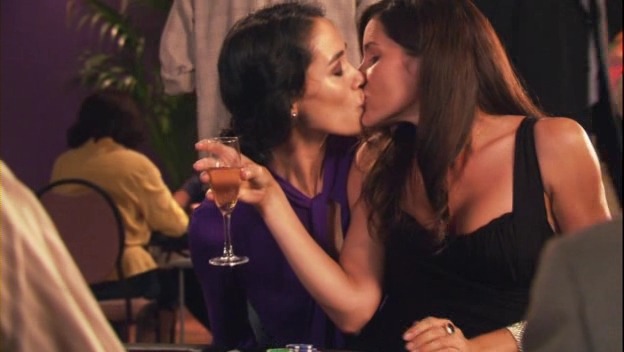
Sandrine Holt (L) as Catherine Rothberg in The L Word., kissing Helena Peabody, played by Rachel Shelley (Showtime)
Truly iconic LGBTQ+ TV show The L Word is once again available on streaming, no doubt to the joy of long-time fans and newcomers alike.
Amazon Prime customers, at least in the UK, can currently rewatch all five seasons of The L Word – more than 20 years after it first hit our TV screens on Showtime.
The legendary lesbian series focuses a group of trendy – for the time – lesbian and bisexual women living in Los Angeles in the early 2000s, who go through all manner of romantic and personal drama during the course of the series.
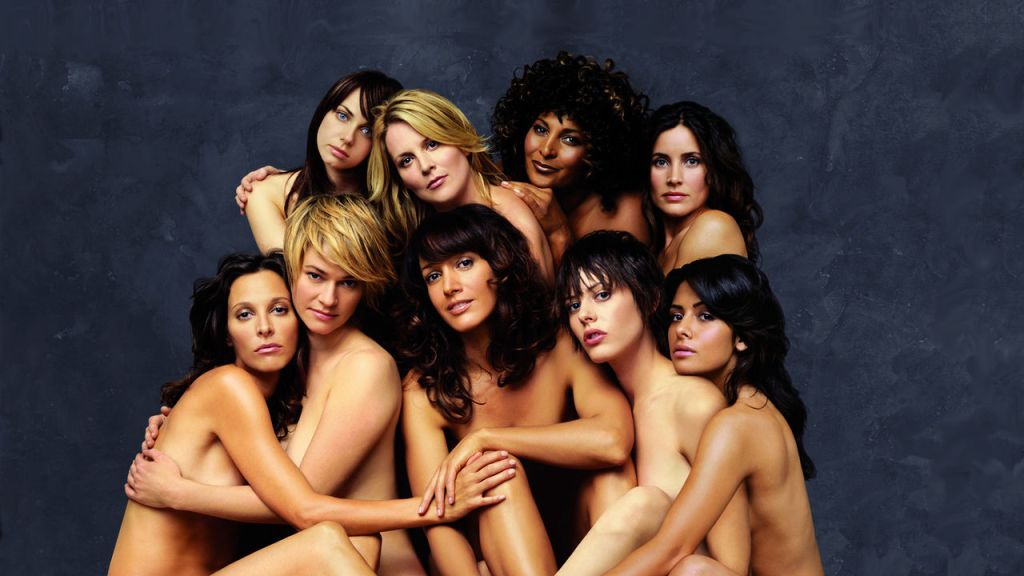
From lothario Shane (Katherine Moennig) to closeted tennis player Dana (Erin Daniels), seven year-deep couple Bette (Jennifer Beals) and Tina (Laurel Holloman) who are trying for a baby and just-moved-to-town-with-her-boyfriend Jenny (Mia Kirshner), The L Word was extraordinarily progressive for the time in how it presented a broad spectrum of stories about lives of queer women.
Major emphasis on the romantic drama in particular, as a lot of the series follows the characters love lives and the various relationships they have with different women – and each other. No spoilers here, I say through gritted teeth, but some pairings were definitely… better than others.
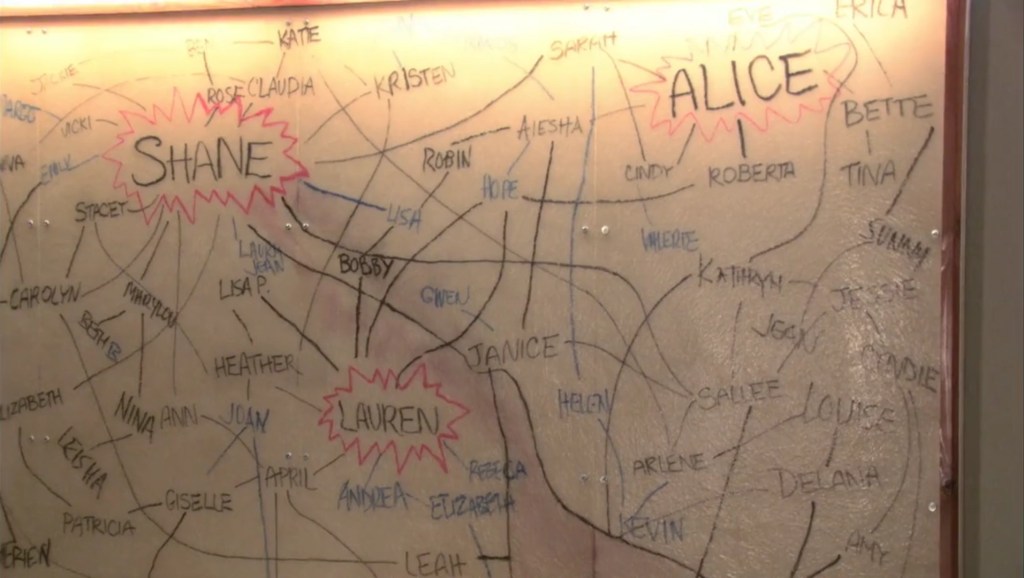
This complex map of romantic and sexual connections between the women in the show spawned the infamous ‘Chart’ – which was created by Alice in the first episode after she realised how insular the lesbian community in Los Angeles actually is. Basically, if you’ve slept with someone, you probably know someone who has also slept with that person.
That being said, The L Word has not aged well in many aspects, particularly how the show dealt with bisexuality and its sole trans character Max (Daniel Sea).
Throughout the series, there are plenty of disparaging comments made by the characters about bisexual women, which can be pretty much summarised as telling bi people to pick a side.
Max’s character was also subject to plenty of transphobic comments, not to mention writing that clearly did not understand how to authentically represent transition for a trans man at the time.
His character later returned for a stint in the show’s reboot, The L Word: Generation Q, where he was finally shown happy and thriving.
Discussing his return to the show, and an attempt by the writers to right the wrongs of the original series when it came to trans representation, Sea told IndieWire there were “highly problematic aspects of the story” which he tried to flag but “as an actor at that time, I had very little, if any, influence on his storyline”.
Sea also told the LA Times: “To see Max happy, and to have his storyline be a reparative story and experience, made me really happy because he does live on as these characters do.
“Especially since he was one of the first recurring trans characters on TV, and definitely the first recurring trans masculine cast member.
“Characters who are firsts such as Max live on in people’s imaginations and their hearts. I’m not aware of any other time that this kind of reparative storytelling has been accomplished for a trans character from television’s past.
“This has been very cathartic for me to have this opportunity to revisit this character in such a restorative way. … It’s been a healing experience.”
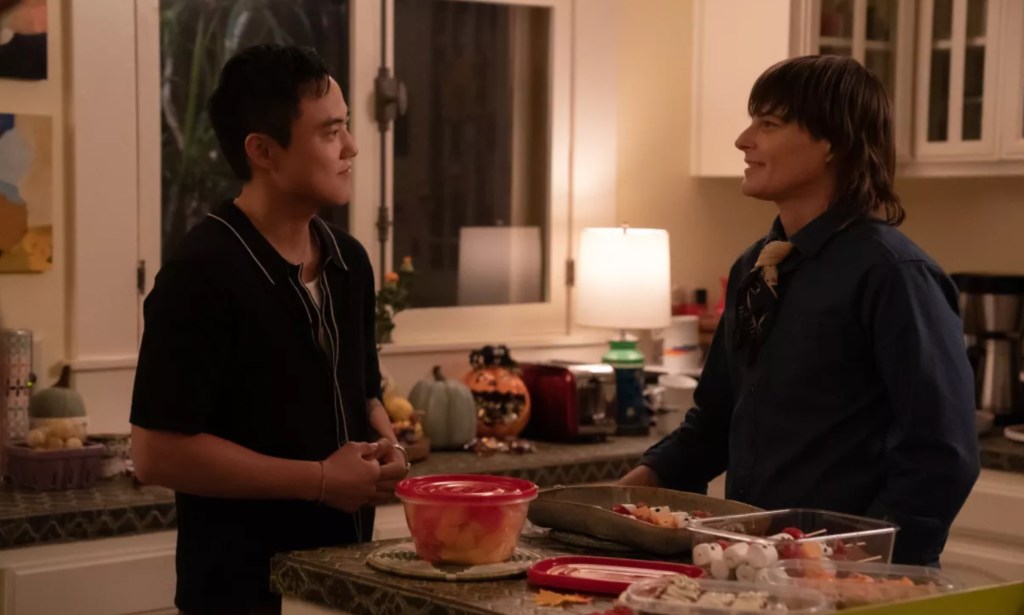
At the time, Sea added such an example of “reparative gesture” from the show’s creator, Ilene Chaiken, and could be “another historical first in filmmaking”.
“This opens up a lot of possibility for healing though story in a metaverse kind of way,” Sea explained.
As Hilary Mitchell previously wrote for PinkNews about the legacy of the show, noting “it’s hard to write The L Word off completely for being too white, too cis and too privileged: it was a huge deal to see a group of women on screen whose lives didn’t revolve around men. Instead, they spent their time having parties, fingering each other on balconies and generally making us all want to move to a version of West Hollywood where apparently you can rent a fancy house with a pool on a hairdresser’s salary.”
Subscribers can watch The L Word on Amazon Prime TV here.