Trans youth suicides surged when NHS banned puberty blockers, tragic report suggests

Trans youth deaths by suicide have surged over the past few years. (Getty)
The number of transgender under-18s who have died by suicide has tragically surged over the past few years, a damning new report suggests.
Content warning: This article references statistics on child suicide rates. Reader discretion is heavily advised.
Legal experts at Good Law Project revealed in a Saturday (7 February) report that deaths by suicide among trans youngsters surged to 22 in England between 2021 and 2022.
The number is nearly six times higher than reported deaths in 2020-21, according to its freedom of information (FOI) data, with at least four trans and non-binary young people in 2020-21.
Comparatively, the number of reported deaths went down by one between 2019-20 and 2020-21.
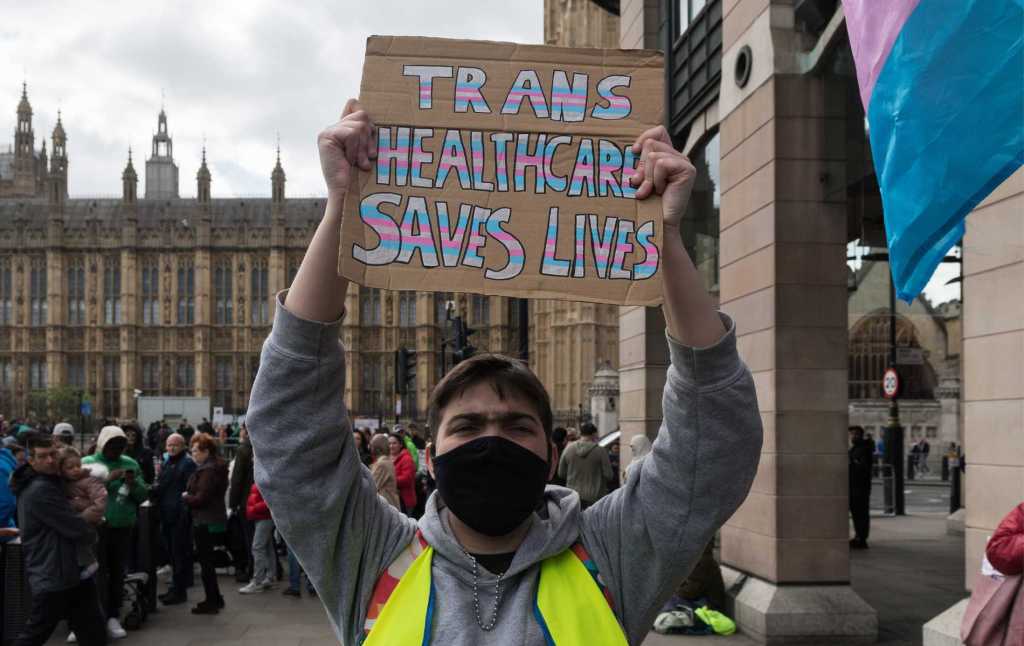
The Good Law Project noted that the spike came amid the decision by NHS England to cease providing puberty suppressant hormones for trans youth after detransitioner Keira Bell sued the Tavistock and Portman NHS Foundation Trust.
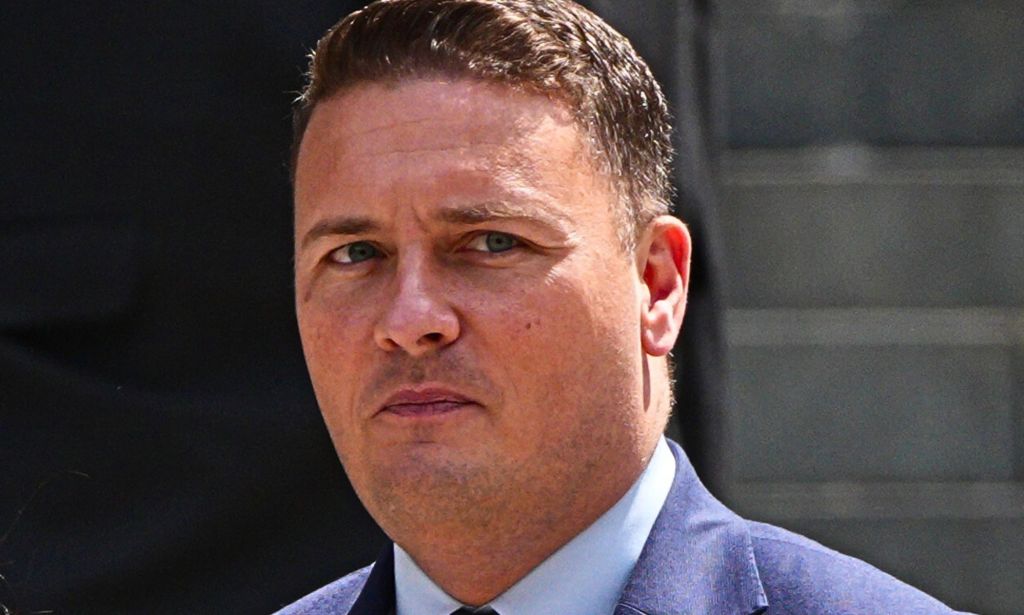
The Good Law Project said after they raised concern over the rising number of deaths, Wes Streeting criticised the group’s figures and branded them “dangerous”.
They added: “The decision by Wes Streeting to commission a review into suicides which downplayed the scale of these tragedies was unforgivable. His report denied the reality of trans deaths, as Streeting’s ban on puberty blockers denied the reality of trans lives.”
The medication, often called puberty blockers, temporarily blocks unwanted physical and emotional changes brought by puberty. Medical organisations across the globe, such as World Professional Association for Transgender Health (WPATH) or Trans Care BC in Canada, describe them as safe, effective, and potentially life-saving.
They are currently inaccessible on the NHS for trans patients not part of a clinical trial. They are, however, still accessible for cisgender youngsters, to treat conditions such as precocious, or early, puberty.
While the ruling was eventually repealed, NHS England was yet again forced to stop prescribing puberty blockers after health secretary Wes Streeting indefinitely extended a ban on the treatment originally brought by the former Tory government in May 2024.
Trans youth facing mental health crisis over puberty blockers ban
Streeting, 43, extended the ban in response to the highly controversial review into trans healthcare provision by paediatrician Dr Hilary Cass. The review was heavily criticised by campaigners and medical experts, with many arguing it was methodologically flawed.
According to the Good Law Project’s FOI data, at least 10 trans children took their lives in 2022-23 – the same time that puberty blockers remained inaccessible. The NHS-funded National Child Mortality Database (NCMD), which provided the data, added the numbers reported in recent years are likely “underestimated” due to a higher proportion of as-of-yet incomplete child death reviews.
Research has already shown the ban is having a severe impact on the mental health of transgender youngsters. A study from University of London academic Dr Natacha Kennedy reported that previously “well-adjusted” youngsters were suddenly hit with waves of anxiety, depression, and suicidality over the inability to access puberty blockers.
Despite this, Streeting remains confident that extending the ban was the right decision, saying last year that it was made off the back of advice from clinicians. Medical experts have questioned the integrity of clinical advice recommending a ban on puberty blockers.
The ban will remain intact pending the outcome of a £10 million, two-year-long NHS PATHWAYS Trial into the effects and impacts of puberty suppressants.
The World Professional Associations for Transgender Health (WPATH), alongside its US (USPATH) and European (EPATH) counterparts, argued the trial violates standards on informed consent given that it the only way for trans youngsters to access puberty blockers in the UK.
Suicide is preventable. Readers who are affected by the issues raised in this story are encouraged to contact the Samaritans on 116 123 (www.samaritans.org), or Mind on 0300 123 3393 (www.mind.org.uk). Readers in the US are encouraged to contact the National Suicide Prevention Line on 1-800-273-8255.