
Dr Hilary Cass faces formal complaint over BBC interview

Dr Hilary Cass spoke on the BBC over the weekend. (BBC/YouTube)
Dr Hilary Cass has been accused of ‘misleading’ the public on gender-affirming care in a formal complaint issued to the General Medical Council (GMC) following a controversial BBC interview this weekend.
British physician, Dr Helen Webberley, said she has voiced concerns over Dr Cass’ conduct in a referral to the regulator over the weekend.
In a blog post on Monday (16 February), she claimed the controversial 67-year-old paediatrician had violated several of the GMC’s Good Medical Practice standards – a set of professional standards that medical professionals are expected to meet – in her work on trans youth healthcare.
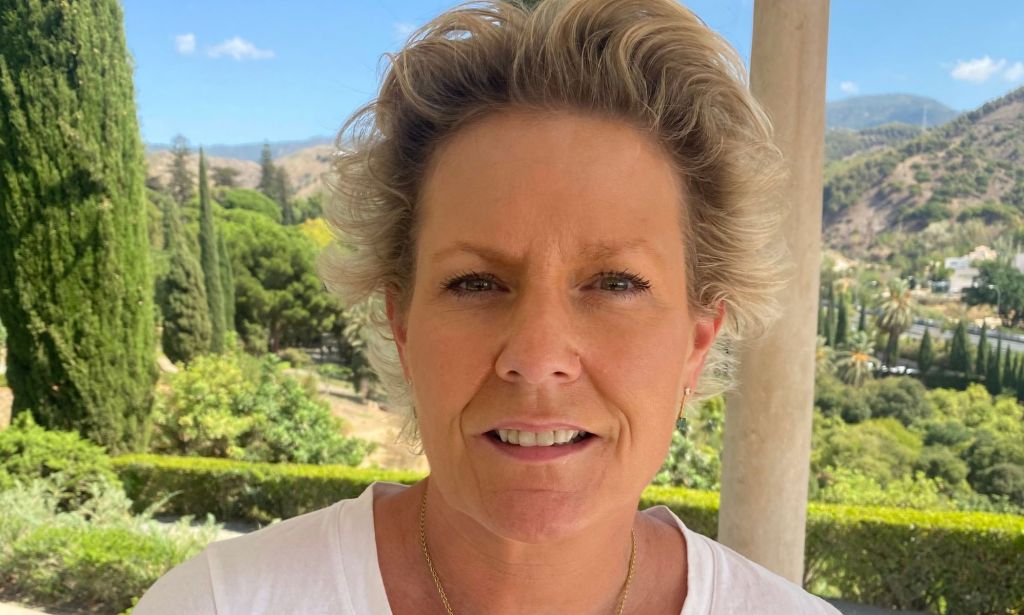
Dr Webberley’s decision came following claims made by Dr Cass over the weekend that trans youngsters were being “weaponised” by both sides of a “toxic” debate on trans rights.
Speaking to BBC’s Laura Kuenssberg on Sunday, Dr Cass claimed that “debates” on trans issues were making it harder for some trans youngsters to live “under the radar”.
Activists and medical experts alike accused her of pushing “misleading” claims on trans youngsters based on “falsehoods”, including her insistence that a “tiny number” remain trans in adulthood.
Dr Webberley similarly criticised Dr Cass’ claims, writing that she is “not a gender specialist, has no clinical experience in this field, and has no research history or publications in transgender healthcare”.
GMC referral is ‘necessary’, Dr Webberley says
Her formal referral to the GMC reportedly lays out concerns over claims that Dr Cass continues to push about social and medical transition without “supporting citations or evidence”. She also highlighted an assessment from the British Medical Council (BMC), which suggests that Dr Cass’ review into trans youth healthcare provision in England had a “high risk of bias”.
“I do not do this lightly,” Dr Webberly wrote. “Referring a fellow doctor to the GMC is one of the most serious steps any medical professional can take. But yesterday’s interview crystallised for me exactly why this referral is necessary.
“The pattern of conduct I have documented is not historical. It is ongoing, and it is happening on the biggest platforms in the country,” she added.

Commissioned in 2020, The Cass Review made upwards of 32 recommendations to restructure the way transgender youngsters receive care. The former conservative government imposed a ban on puberty blocker prescriptions for under-18s shortly following its publication. This ban was indefinitely extended by the Labour government in 2024.
The review gained international condemnation from medical experts including the British Medical Association (BMA), the World Professional Association of Transgender Healthcare (WPATH), and over 200 educational psychologists.
In an analytical review published last year, researchers in Australia said they were “gravely concerned” over the impact the Cass Review was having on the safety and wellbeing of trans youth, arguing that it had not been guided by the “values of the patient”.
Dr Webberley argued the Cass Review was having a “very real impact” on people’s lives and that her BBC interview was a “perfect illustration” of why she felt compelled to issue the formal complaint.
“Dr Cass was not asked a single challenging question. She was not asked about the peer-reviewed critiques. She was not asked about the ROBIS assessment. She was not asked why her review’s conclusions contradicted its own commissioned research,” she said. “She was given a national platform to repeat contested claims as fact, dismiss experienced clinicians as charlatans, and present herself as the measured centre of a debate in which she has, in reality, taken a very specific and consequential position.
“When a single review has this much power over the lives of real people, the professional standards that underpinned its creation matter enormously. If there are legitimate questions about whether those standards were met, they deserve to be examined. That is what the GMC is for.”
Share your story! Do you have an important, exciting or uplifting story to tell? Email us at [email protected]