
Former DOGE staffers testify that they used ChatGPT to cancel LGBTQ+ grants

The testimonies of Justin Fox and Nathan Cavanaugh have been released. (American Historical Association)
Staffers of Elon Musk’s now-defunct Department of Government Efficiency (DOGE) have alleged that AI assistant ChatGPT’s was used to cancel grants referencing LGBTQ+ people.
Testifying under oath, DOGE officials Justin Fox and Nathan Cavanaugh noted they were tasked with radically cutting federal spending, the New York Times reported. To do so, they say they used ChatGPT.
The now-defunct Department of Government Efficiency (DOGE) was led by Elon Musk, and, amongst other cuts, was responsible for shuttering USAID – the world’s largest provider of food assistance. Musk is believed to have donated an estimated $250 million (approximately £190 million) to Donald Trump’s presidential re-election campaign, and once the Republican leader returned to the White House in January 2025, the owner of X/Twitter and Tesla chief executive became the head of the newly-created department.
Fox and Cavanaugh’s depositions – stemming from a lawsuit by the Modern Language Association, the American Council of Learned Societies, and the American Historical Association – are now public. Over 10 hours of footage from January have been posted to the American Historical Association’s YouTube channel.
The groups argue that the organisation unlawfully terminated grants connected to scholarship on race, gender, and LGBTQ+ communities.
Fox and Cavanaugh, who did not have experience in government or grant administration, made several revelations during their depositions.
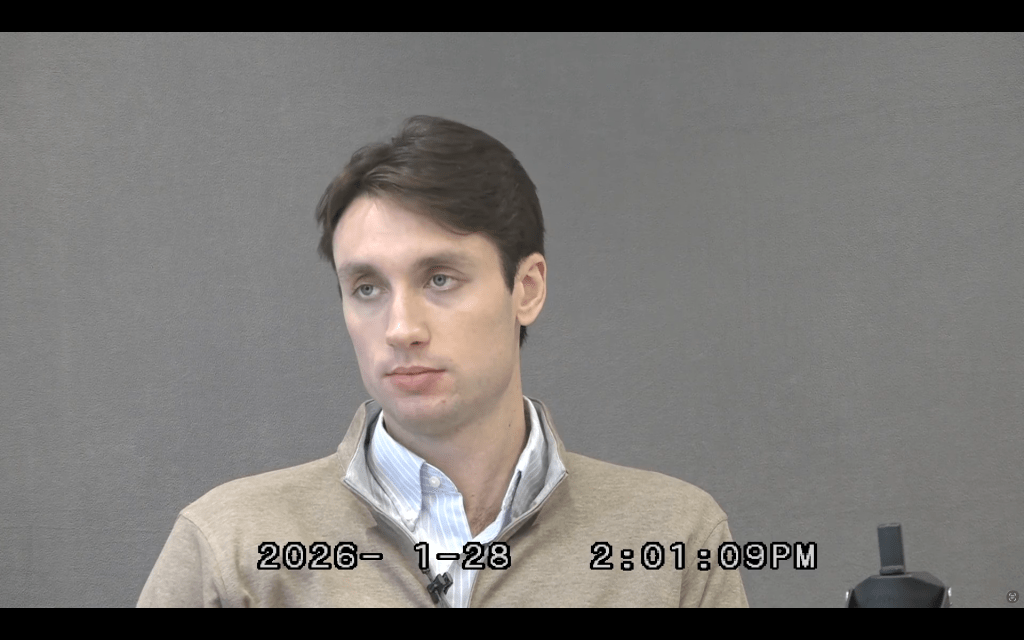
Among the declarations, Fox admitted to using ChatGPT to sift through grants. He outlines the props he used: “Does the following relate at all to D.E.I.? Respond factually in less than 120 characters. Begin with ‘Yes’ or ‘No.’” Fox testified that he did not define what “DEI” (Diversity, Equity and Inclusion) meant for the AI system.
He went on to explain that grants referencing LGBTQ+ people could be flagged for cancellation, simply because the term appeared. “Promoting an LGBTQ study, stipending research on gender fluidity,” he said about the grants that stood out in the review process.
‘Because it explicitly says LGBTQ.’
Fox also noted that he compiled what he believed to be the “craziest” and “other bad” grants. Those included key words like “LGBTQ.,” “BIPOC,” “Tribal,” “ethnicity,” “gender,” “equality,” “immigration,” “citizenship”, and “melting pot.”
Within these sweeping cuts, there were a number of cancelled grants that drew public scrutiny. One of which was a programme titled “Examining experiences of LGBTQ military service”.

The program aimed to bring veterans and community members together to discuss the experiences of marginalised service members, including women, Black veterans, Native Americans, immigrants, and LGBTQ+ people.
When asked about why the project was flagged, Cavanaugh stated: “Because it explicitly says LGBTQ.”
Another highlighted grant that raised concerns was about the legacy of HIV and AIDS activism.
Explaining the decision, Fox testified: “We felt the latter part of the description, specifically bringing feminist and queer insights into prison abolition… gender and LGBTQ studies and so forth. So we felt that this referenced LGBTQ and preferencing and DEI altogether.”
According to the lawsuit, the scope of the cancellations included more than 1,400 active grants. These were reported to represent over $100 million (approximately £73 million) in funding.