‘Protect The Dolls’ t-shirt meaning: Why do people call trans women ‘dolls’?

Pedro Pascal wearing his ‘Protect the Dolls’ shirt. (Getty)
The term ‘dolls’ has existed within the LGBTQ+ community for decades, but what is the meaning and history of this phrase currently popularised by the viral “Protect The Dolls” t-shirt, and how should you use it?
The term is typically used as an informal descriptor for trans women or transfeminine non-binary people. It first emerged as part of 1980s Ballroom culture, coined by Black, Latina, and non-white trans women, as an affirming descriptor of femininity and unrelenting confidence.
Its usage has seen a resurgence in the past few years, most recently landing in the public eye after The Last of Us actor, Pedro Pascal, wore a “Protect The Dolls” T-shirt in solidarity with trans people facing discrimination across the globe.
Its meaning has also changed following its recent rise in usage and, for many, is a positive term in certain contexts. For others, however, the ‘dolls’ descriptor is viewed as somewhat controversial.
So, what does the term ‘dolls’ actually mean for trans people, and how has its usage changed over time? Let’s find out.
What does the term ‘dolls’ mean, and why is it used for trans women?
There is no concrete or official meaning behind the word ‘dolls’ when referring to trans women or transfeminine non-binary people. However, the most common overlap in opinions on the term is that it is a complimentary term used to highlight a trans person’s innate femininity and willingness to be their authentic self.
It was originally used as a code-word to help trans women, particularly trans women of colour, acknowledge each other’s identity, similar to how the slang phrase “Friend of Dorothy” was used as a subtle term for gay men when homosexuality was illegal in the US.
At the height of 1980s ballroom culture in Black and Latino communities, the word ‘doll’ was primarily used to describe a trans woman who exhibited a specific type of hyperfemininity, whatever shape that may have taken.

Nowadays, the term is more of a tongue-in-cheek descriptor that is used both to affirm trans women’s femininity casually and colloquially.
Pedro Pascal’s T-shirt, designed by fashion designer Connor Ives, specifically calls for the protection of trans women, or ‘dolls’, in a tongue-in-cheek showing of solidarity.
There are a variety of reasons that the word has become increasingly popular among trans women in society today. Many argue that, since the term is rarely, if ever, used in political contexts, it comes with less baggage than other words, which can hark back to the continued attack on trans rights in the US, UK, and beyond.
Others have argued that the term is one of empowerment and helps promote the idea that feminine beauty comes in all different shapes and sizes. It’s seen by many as a non-restrictive way to effectively say that a transfeminine person is confident and beautiful.
Its usage is particularly common among trans influencers and “meme” accounts, such as the infamous Instagram icon and undeniable doll, “Czech.Hunter.Schafer” – no relation to the trans actress – who uses the term in tongue-in-cheek memes meant to satirise and affirm the community.
However, with any term or descriptor, using the word ‘dolls’ requires context, especially if it’s being used to describe a group or individual who may have an issue with the phrase.
How should I use the term ‘dolls’ to describe trans women?
As with any colloquial LGBTQ+ term, you should always consider whether the term ‘dolls’ is an appropriate one to use in any given context, especially when referring to specific people or groups of people.
Generally speaking, using phrases like “protect the dolls” as a way to signal support for the trans community is widely considered a positive one, especially given that it’s an active phrase designed to call for the protection of trans women. The terminology can also make it difficult for transphobes to fight back against its meaning, as much as they may try – after all, who gets mad at dolls?
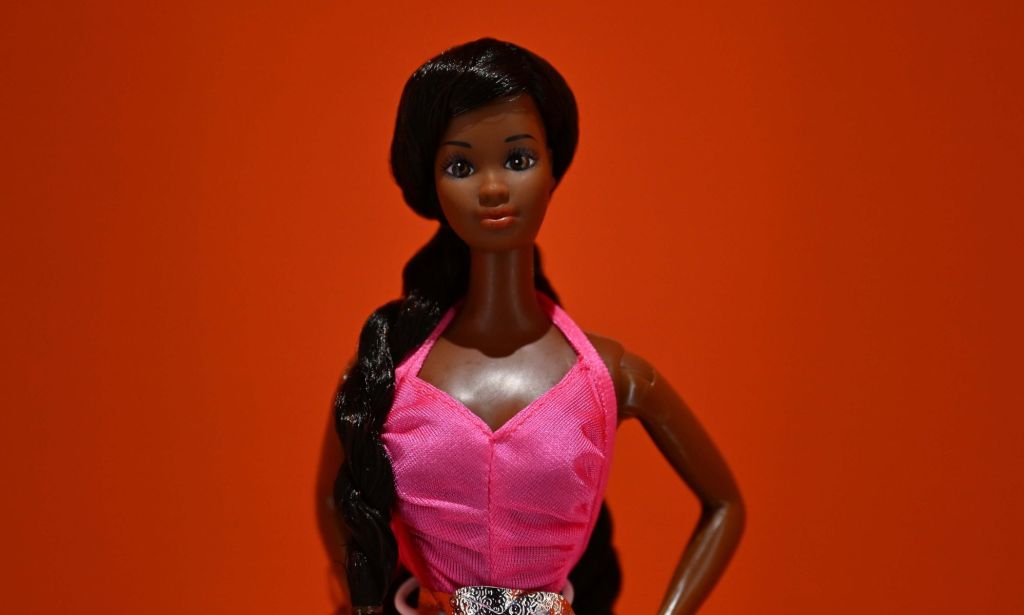
However, things change when referring to individual transfeminine people or groups of trans women. ‘Dolls’ is a slang term and, with any slang term, it’s best to make sure you’re using it respectfully towards someone who either uses it as a self-applied label or has signalled they are comfortable with the term.
This is, of course, not just applicable to trans women since ‘dolls’ is often used to describe all women, and the same levels of respect and consideration for people’s feelings should be made to anyone who may or may not want to be called the term. There is never a blanket rule for any LGBTQ+ phrase, and ‘dolls’ is no different.
That being said, having access to more positive terms that have (so far) not been appropriated by transphobes is always a good thing. Pascal’s usage of ‘protect the dolls’ is a beacon of hope amid the turmoil of transphobia sweeping the globe. The more we can affirm each other, the better.