
The Sound of Music is turning 60 this year: Why do queer people love it so much?
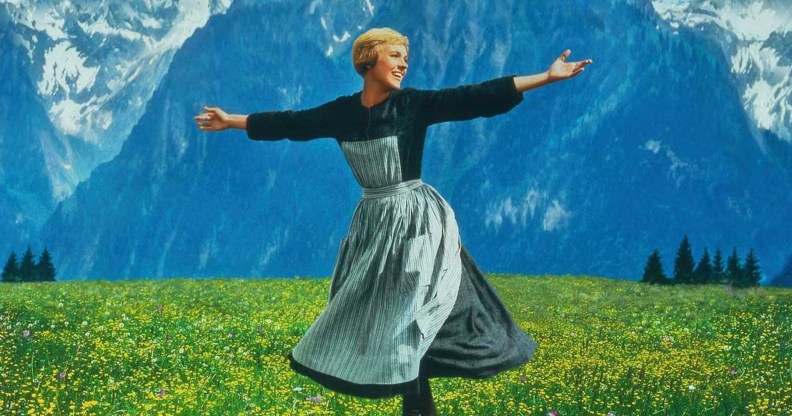
Why are gay people obsessed with The Sound of Music?(20th Century Fox)
The Sound of Music turns 60 this year, and with the Oscar-winning musical set for a return to cinema screens in celebration, there can be no better time to look at its place in queer culture.
The film is an adaptation of a stage musical, itself based on the memoir The Story of the Trapp Family Singers, by Maria von Trapp.
It follows aspiring nun Maria, played on screen by gay fans’ favourite Julie Andrews, who leaves her convent to become a governess to seven children in 30s Austria. Taken at face value, there’s not much to suggest this is a queer-related tale.

So, why does The Sound of Music resonate with the gay community?
There are many aspects of director Robert Wise’s movie, which picked up five Academy Awards including best director, best film and best music, that resonate with the queer community.
From queer-coded characters to gay-related themes, there are plenty of the connections for LGBTQ+ viewers to make.
In addition, the film’s campy songs, optimistic tone and central character, who explores self-discovery, all offer something that many queer people can latch on to.
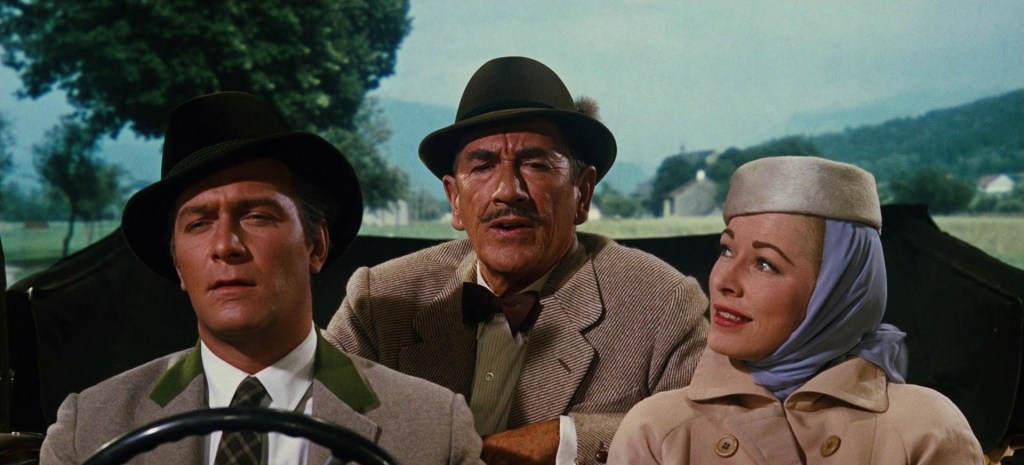
Some see Max and Captain von Trapp as gay
Some fans even think certain characters were gay: most-notably, Max (Richard Haydn) and Captain Georg von Trapp (Hollywood veteran Christopher Plummer, who died in 2021).
Von Trapp is a retired naval officer and the father of seven children. Since the death of his wife, he has controlled their lives with the strict discipline better-suited for the military. For many, he’s the film’s gayest character. He’s sassy to everyone around him, including raising his eyebrows at Maria’s contrasting kind and music-filled approach to bringing up the youngsters.
Not all gay men are obsessed with fashion, obviously, but the captain’s well-dressed nature does set him apart. He leaves the children in the hands of Maria while he travels to Vienna and on his return is joined by baroness Elsa Schraeder and close personal friend Max.
Some say Max is the captain’s hidden-in-plain-sight gay lover while the somewhat-campy baroness – so obviously wrong to be the next Mrs von Trapp – is his beard.
Max, similar to Maria, has a more progressive attitude to the world and is determined to overcome adversity.
Furthermore, when the captain marries Maria and the pair go on their honeymoon, Max enters the children into a singing competition against their father’s wishes. Is this revenge to get back at von Trapp for dumping him? Who’s to say?
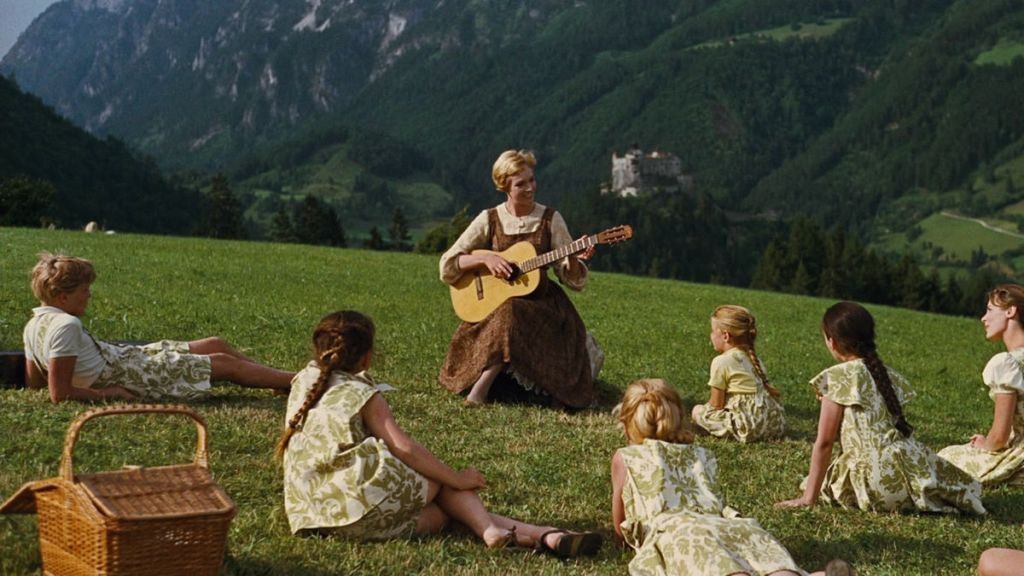
The Sound of Music is peak musical theatre
Now, we know the gays have a penchant for musical theatre and The Sound of Music is the epitome of that.
Like The Rocky Horror Picture Show, it’s regularly screened as a sing-along event. This audience participation is a siren call for many in the queer community who are drawn to interaction.
The film is also a staple in the musical genre for its songs, including “Do-Re-Mi”, “So Long, Farewell” and “Sixteen Going On Seventeen”. Each track is an ear worm and offers a cheerful and wholesome perspective against the darker themes that orbit the film.
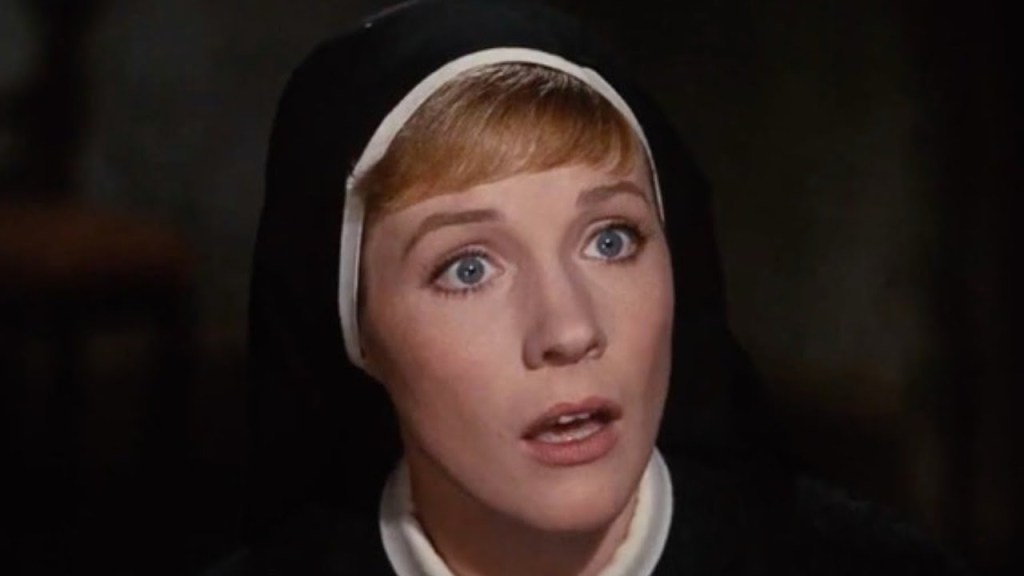
Maria’s journey of self-discovery is queer-coded
At the heart of The Sound of Music is, of course, Maria. Looking closely at her character arc, it can be understood with an LGBTQ+ reading.
Maria doesn’t conform to traditional roles: she leaves the convent and stands against the captain to raise his children with love. Her non-conforming can be seen as a challenge to societal norms, in turn a metaphor for the queer community.
Her experience as an outsider experiencing transformation is also indicative of queer portrayals, and, for some, the character is rooted in a lesbian identity.
The stage version opened in 1959, with Mary Martin in the role. After her death in 1990, fellow stars claimed she was a gay woman and was in a lavender marriage. She was married twice and was the mother of Larry Hagman, best-known as the rather-camp villainous JR Ewing in Dallas.
Martin spent a week with the real Maria von Trapp, and the pair reportedly formed a bond.
“Mary, you were born in Texas and I was born in Austria, but underneath we are the same Maria,” the author supposedly said.
Restored and remastered in 4K for its 60th anniversary, the film will be screened in more 950 cinemas in some 28 countries. Tickets go on sale on Thursday (14 August) at soundofmusicincinemas.com.
Share your thoughts! Let us know in the comments below, and remember to keep the conversation respectful.