
Betty Who sparks backlash with Reneé Rapp sexuality comments
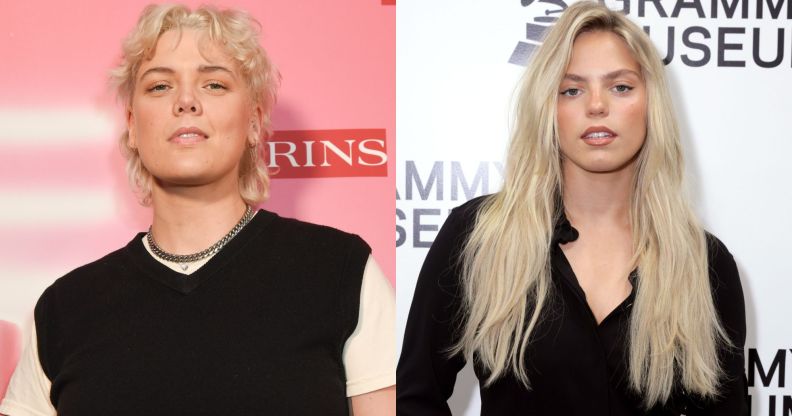
Betty Who (L) discussed Reneé Rapp’s (R) sexuality during a recent podcast appearance.
Update 28 August: This story has been updated to include a statement from Who
Australian singer Betty Who has courted controversy after making comments about Reneé Rapp’s sexuality.
Who, real name Jessica Anne Newham, appeared on the 19 August episode of Mallorie Glownke’s lesbian focused podcast Made It Out.
During the podcast, Glownke turned the conversation to Jojo Siwa and Fletcher, two sapphic artists who have previously been in relationships with women and have huge queer female followings. This summer, both of them revealed they were dating men, with Siwa coupling up with her Big Brother UK co-star Chris Hughes and Fletcher detailing that she is dating a man in her new track “Boy”.
The revelations lead to an enormous amount of discourse in queer spaces, with allegations of both queerbaiting and biophobia flying, left, right and centre. Even Miley Cyrus weighed in on the discussion, saying in a clip to promote Dreamland Pride in New York City that she was “going back into the closet to find JoJo Siwa and bring her back out“.
Speaking on the topic, Who – a self-described “queer, bisexual” person – likened the discourse to when she married her husband Zak Cassar in 2020.
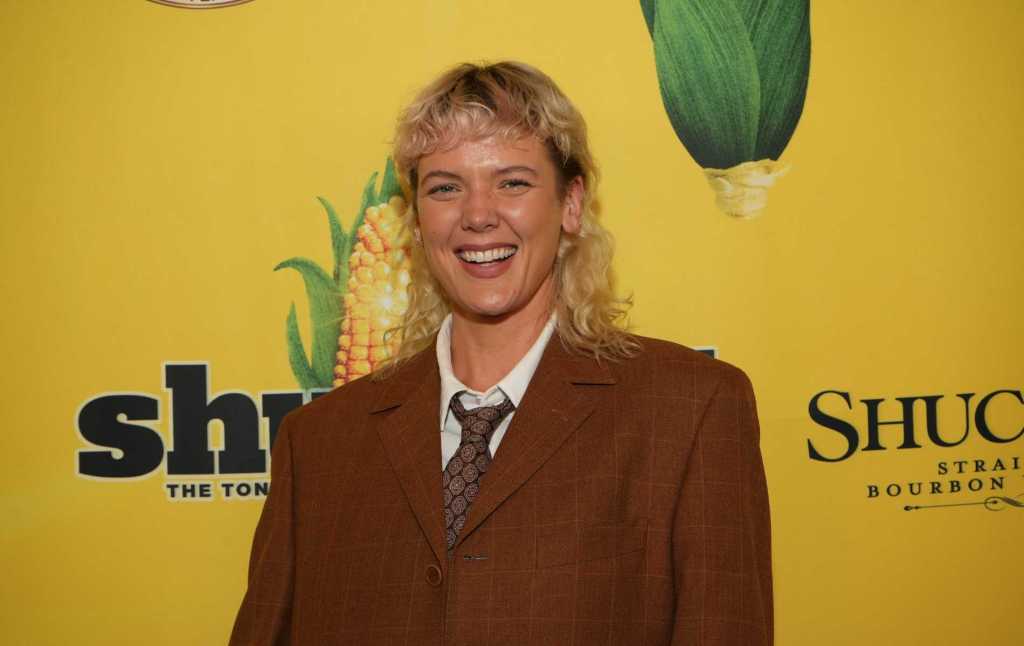
“I have so much space and love for those women who are probably going through it right now,” the 33-year-old said.
“I think it’s hard when you become representative of something to other people and then you change or you are just following your heart and then that means other people feel that they are not represented any more. The pressure of that is so immense.”
They continued that “huge part of queerness is identifying yourself and putting yourself under the alphabet mafia”.
“Like ‘Which one are you?’ and ‘If you change that, I will never forget it!’,” she said. “As much as it’s funny that Reneé Rapp is like, ‘You’ll never catch me dating a man.’ It’s like, ‘Go off, queen! I love that for you.’ But I also hold space for her in 10 years if she goes, ‘Oops, I met the love of my life and it’s this man, I didn’t mean to.’ It’s like, that’s okay!”
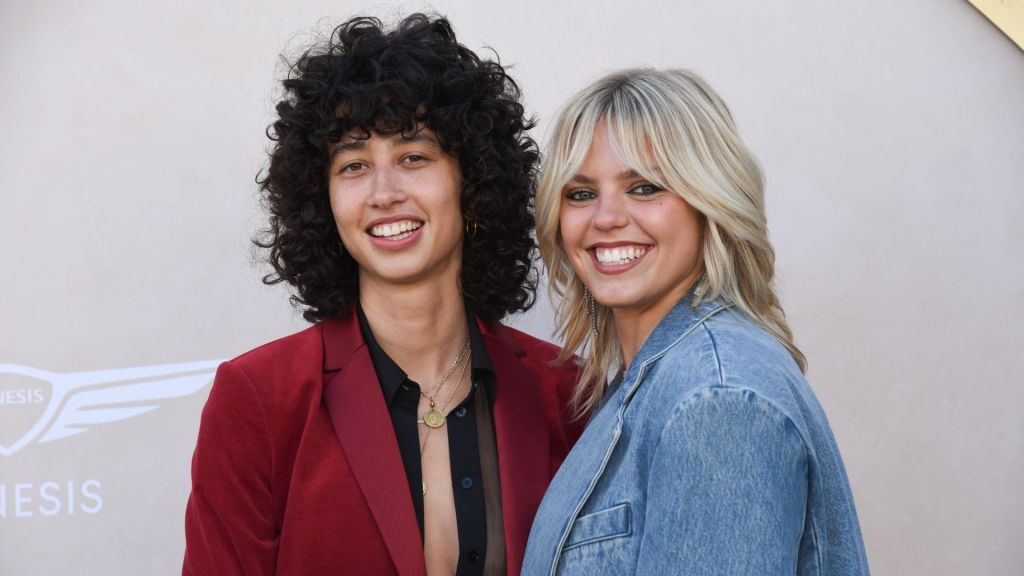
Rapp came out as a lesbian in 2024 and is currently dating fellow singer Towa Bird.
Who went on to say it “shouldn’t be illegal for you to fall in love”.
“It’s kind of like, now we’ve come so far, that our community is so strong, that now it’s like a crime to be straight,” they claimed.
Just to clarify, it is not illegal to be heterosexual anywhere in the world but it is, however, still illegal to be gay in 64 countries around the world in 2025.
“Honestly, cheek, you know? It’s like I do love that, that we’ve come full circle punishing people for being hetero feels sort of correct. No, just kidding,” she added.
The backlash to Who’s comments – particularly about Reneé Rapp’s sexuality – was swift, with many saying it was reinforcing anti-lesbian tropes, namely the tired notion that a woman-loving-woman just ‘hasn’t found the right man yet’.
“sexuality is fluid.” does not mean “oh you just haven’t met the right man yet.” betty who genuinely what are you talking about?,” one user on X, formerly Twitter, wrote.
“its one thing to say sexuality is fluid about your own experiences. its another thing to call out renee rapp, an out and proud lesbian who is in a happy relationship with a women to hold space for her in 10 years if she falls in love with a man… betty who you are weird,” a third wrote.
In one viral TikTok in response to Who’s comments, user @arielvelz said: “There are white bisexual women who seem to always be fighting to be seen as valid as queer, whose pain around being queer is largely about the fear of losing community among queer people when they’re with a man.
“When they do date a man, they’re uncomfortable with the amount of privilege they gain because they still want to be aligned with being in this marginalised group, and therefore they treat their fight for social capital among queer communities as on par with gay and trans people fighting for actual legal and political rights.”
On Thursday (28 August), Who published a statement in which she apologised for her comments and vowed to “do better”.
“I recognise that the language I used poorly articulated my experience and unintentionally reinforced ideas that were harmful or dismissive, particularly toward the lesbian community,” she said.
“That was never my intention, and I’m truly sorry. Everyone’s journey is deeply personal, and I shouldn’t have spoken in ways that generalised or spoke for others.”