
Trans non-binary reimagining of The Little Mermaid coming to London
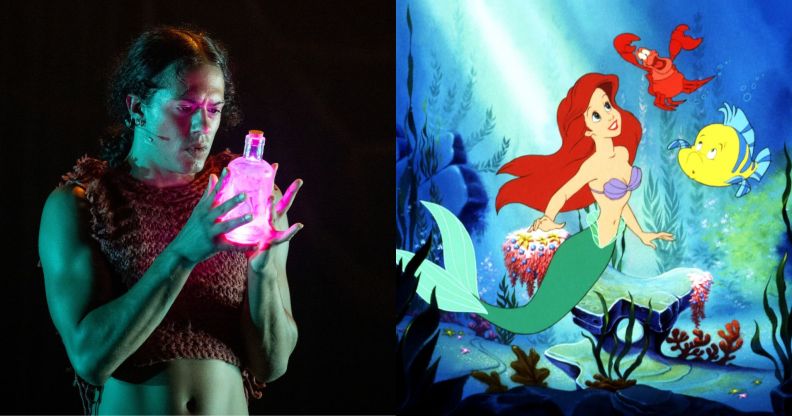
Little M is a reimagining of Hans Christian Andersen’s fairytale The Little Mermaid. (Camilla Greenwell/Disney)
An adaptation of The Little Mermaid, led by trans and non-binary choreographers and directors, is coming to London.
The adaptation of Hans Christian Andersen’s famous fairytale, which has long been heralded as a queer allegory, will be staged at dance and performance centre The Place.
It will take place on 24 and 25 October, during the annual Genderfluid Visibility Week.
Renamed Little M and billed as a “magical coming of age story”, the reimagining will feature “fantastical puppetry, magical transformations and spectacular dance”, and is aimed at those aged nine and over.
Little M is co-directed by trans non-binary dancer, choreographer and visual artist Anders Duckworth and non-binary writer Luke Skilbeck.
An official synopsis for the “epic adventure” show reveals that there will be no Ariel nor Flounder, and instead the lead characters are the titular Little M and their fishy friend, Punk.
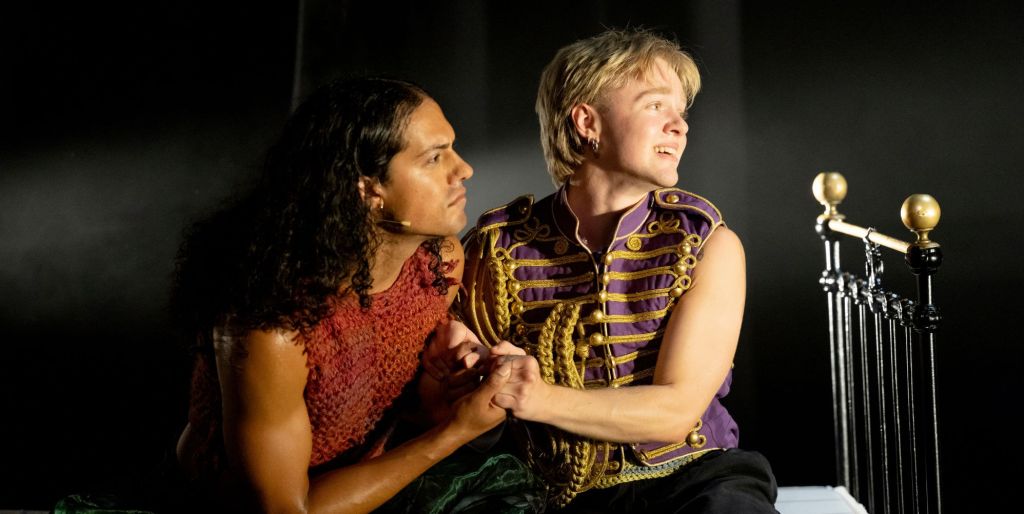
“Little M and their friend Punk the Puffer Fish find a suitcase filled with mysterious treasures, leading them to wonder about the ‘world above’. With their questions met by silence under the sea, they embark on an epic adventure,” the synopsis reads.
The story is further described as “an underwater fairytale world reimagined for a new generation” and a “life affirming production [that] celebrates the power of being at home in your own skin and discovering who you really are”.
The dance-heavy production is for “anyone who feels as if they are swimming against the tide”.

Little M is being supported by trans and non-binary support charity Gendered Intelligence, plus organisations FEAST and Yorkshire Dance.
Prior to Disney’s 1989 animated film adaptation, The Little Mermaid existed as a fairytale by Hans Christian Andersen, written in 1836.
As history tells it, Andersen wrote the story as a response to his own queer heartbreak. After travelling to Copenhagen in 1819 to work as an actor, Andersen returned to school, supported by a patron named Joan Collin.
After some years of writing, including his first major literary work A Journey on Foot from Holmen’s Canal to the East Point of Amager in 1829, Andersen began writing letters, including letters to those he had romantic feelings for.
In one letter, he confessed his feelings for Edvard Collin, the son of his patron, Joan. His feelings were unrequited, and Collin eventually married in 1836. Andersen then fled to the island of Fyn, where he wrote a fairytale about a heartbroken mermaid.
According to writer Rictor Norton, who specialises in LGBTQ+ history, Andersen reflected his experience of romance and lost love through his fairytales.
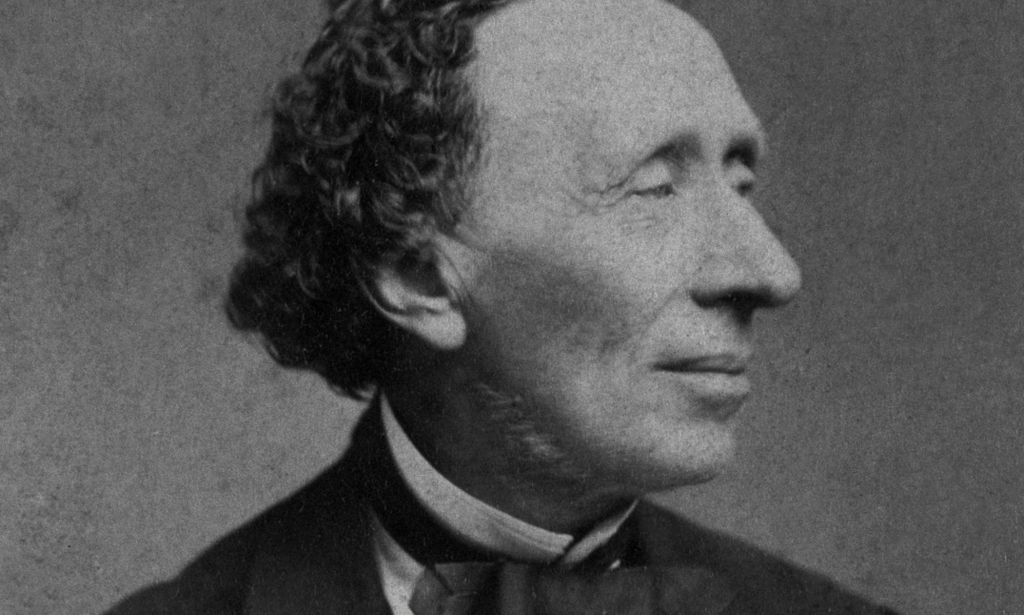
Norton has noted that The Little Mermaid was “written when Collin decided to get married” and Andersen displayed “himself as the sexual outsider who lost his prince to another”.
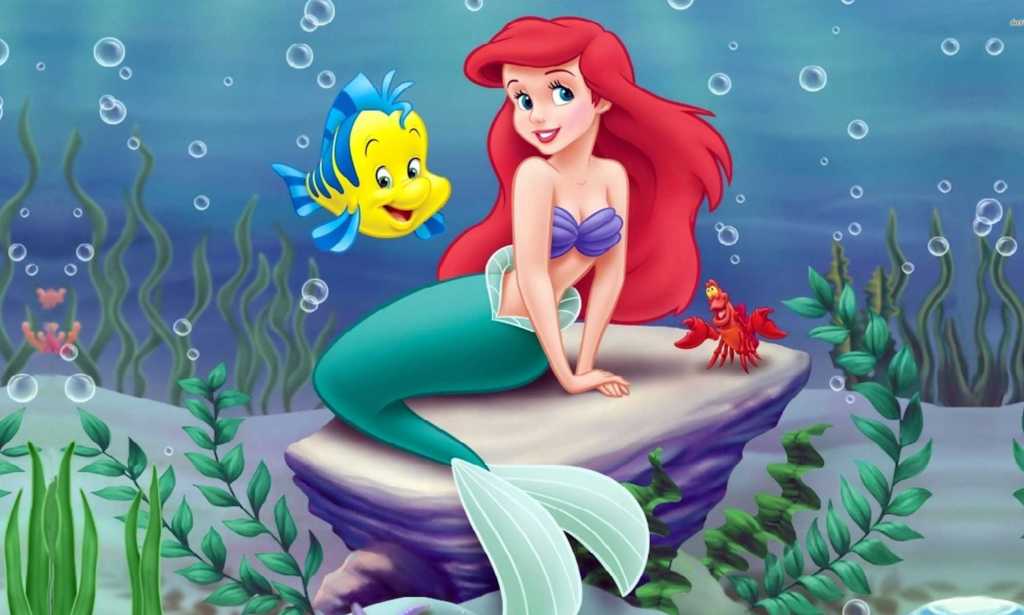
Given the queer origins of The Little Mermaid, plus the fact villain Ursula was based on drag queen Divine, plus that the story details a character who longs for a forbidden kind of love, it’s no wonder that the tale has become a firm LGBTQ+ favourite.
Tickets for Little M at The Place are available now.
Share your thoughts! Let us know in the comments below, and remember to keep the conversation respectful.