
2025’s most powerful LGBTQ+ images, from topless trans protests to banned Pride marches

A group of trans women staged a topless protest outside Scottish Parliament (Supplied)
2025 has been a real rollercoaster when it comes to LGBTQ+ rights, with some victories but – unfortunately – many more regressive steps around the world.
Whilst some countries have legalised equal marriage and bolstered protections for LGBTQ+ citizens, others have sought to crackdown on the rights of queer folks by introducing anti-LGBTQ+ propaganda laws and restricting access to gender-affirming care, amongst other legislative changes.
Amid these changes, here is our selection of the most powerful images of the year, which speak to the collective resilience of the LGBTQ+ community.
The Vivienne remembered
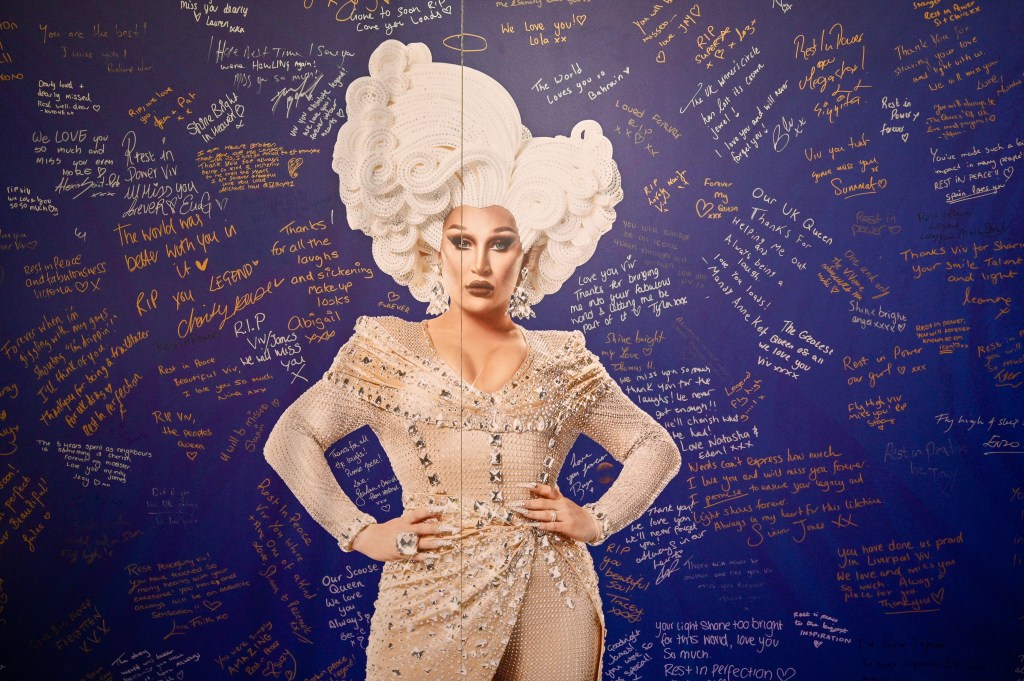
Messages and memories were left to The Vivienne at RuPaul’s DragCon UK 2025 following her death.
The drag star and entertainment powerhouse, who was the inaugural winner of RuPaul’s Drag Race UK, died at the age of 32 on 3 January from cardiac arrest as a result of taking ketamine.
Her death led to an outpouring of grief from the Drag Race community, wider LGBTQ+ community and entertainment world, with the story of her life, death and legacy told in a BBC documentary released in August entitled Dear Viv.
The heartbreaking image showcases the profound impact The Vivienne had on people across the UK and the legacy she left on the drag community.
Marriage equality celebrated in Thailand
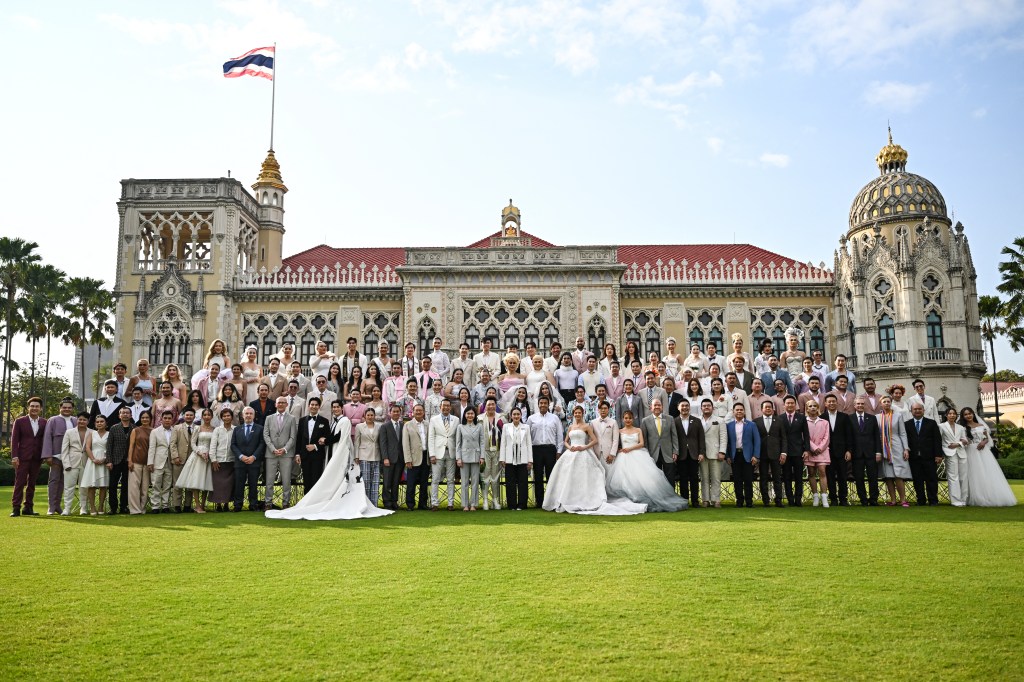
Thailand’s prime minister Paetongtarn Shinawatra posed for a photograph with various same-sex couples and members of LGBTQ+ community to promote “Marriage Equality Day” at the Government House in Bangkok on January 15, 2025.
Thailand became the first country in Southeast Asia to legalise gay marriage in June 2024 Shinawatra invited dozens of couples and LGBTQ+ activists to Government House to celebrate ahead of the legality of the unions going into effect.
“January 23, 2025 will be the day we all make history together,” she wrote on Instagram alongside a photo of guests in suits and wedding dresses. “The love of everyone is legally recognised with honour and dignity.
“From January 23, everyone, every couple, regardless of gender, can register their marriage at district offices throughout Thailand.”
The joyful image of community speaks to the sheer diversity of people in Thailand who can now marry and whose love is – at long last – treated equally to heterosexual couples.
Transness will outlive Trump
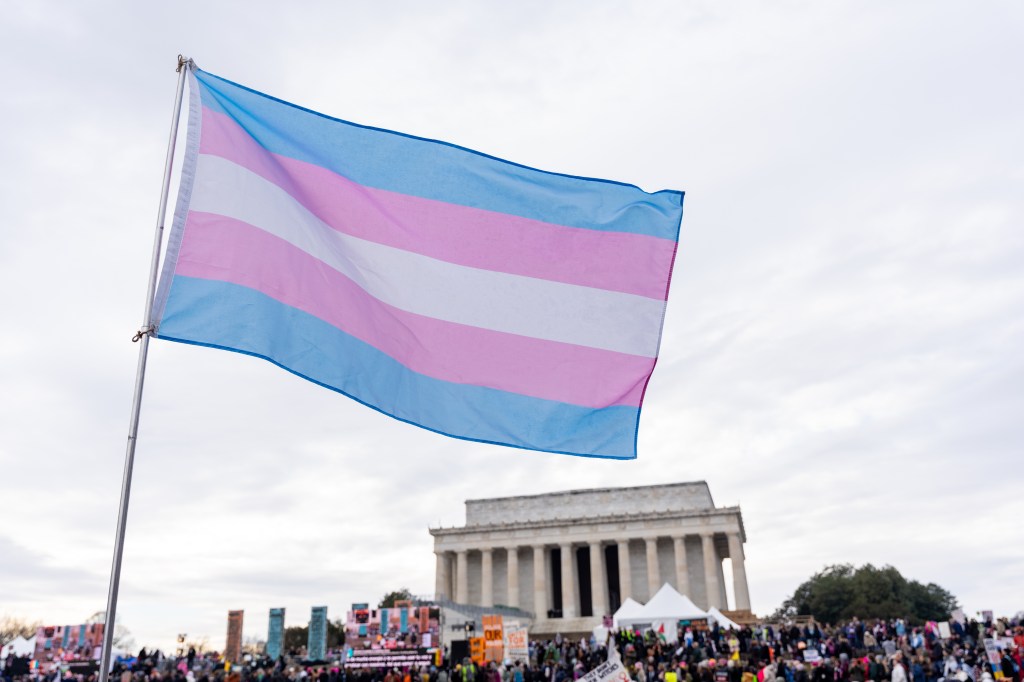
Ahead of Donald Trump’s inauguration, thousands of demonstrators took to Washington DC to protest.
The various groups that organised the rally did so to campaign on issues from “bodily autonomy, gender justice and LGBTGIA issues” to “Democracy, Immigration, Anti Militarism, and Climate” and “Police Brutality, Mass Incarceration and colonization”.
Nearly a year on from the protest, and following the Trump administration’s sweeping crackdown on the rights of trans people, this image is a powerful but haunting symbol.
You can’t spell Stonewall without the ‘T’
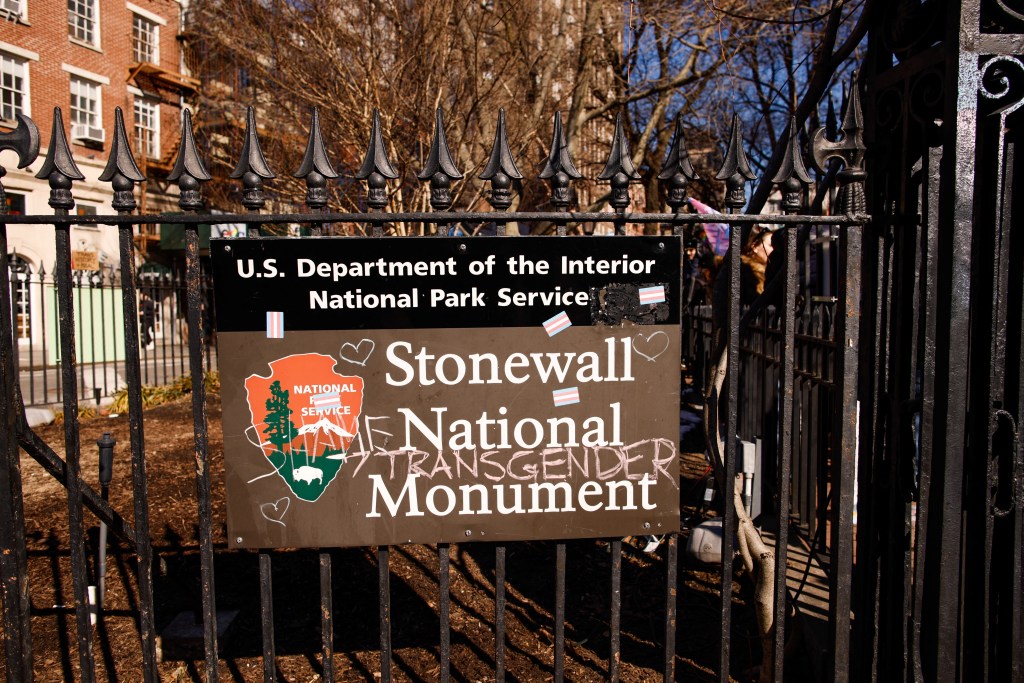
In February, the Trump administration purged Stonewall National Monument’s official website of nearly all references to transgender or non-binary people.
The New York monument ,which commemorates the historic 1969 riot outside the Stonewall Inn that was led by trans women of colour, had mentions of the trans community removed from its National Park Service webpage, whereby the acronym LGBTQ+ was changed to just LGB and page now only mentions lesbian, gay, and bisexual people in its explanation of the riots.
However, some small references to trans activists Marsha P Johnson and Sylvia Rivera in the form of historic images of the women – but references to them being trans were culled.
In response, queer New Yorkers led a protest against the sweeping decision, with Erik Bottcher – New York City council member for District 3 – telling the rally of protesters: “We will not let you erase the existence of our trans siblings. We will not let you cleave our community apart and divide us. We are one community. And now is the time for gays and lesbians and cisgender members of our community to stand up against what is happening. … We will win, because we always win in the end.”
The symbolic image of the Stonewall National Monument sign covered in trans stickers and the words “shame” and “transgender” shows that even if the government wants to erase the history of trans people, the LGBTQ+ community will refuse to let it happen.
Protests condemn Supreme Court ruling
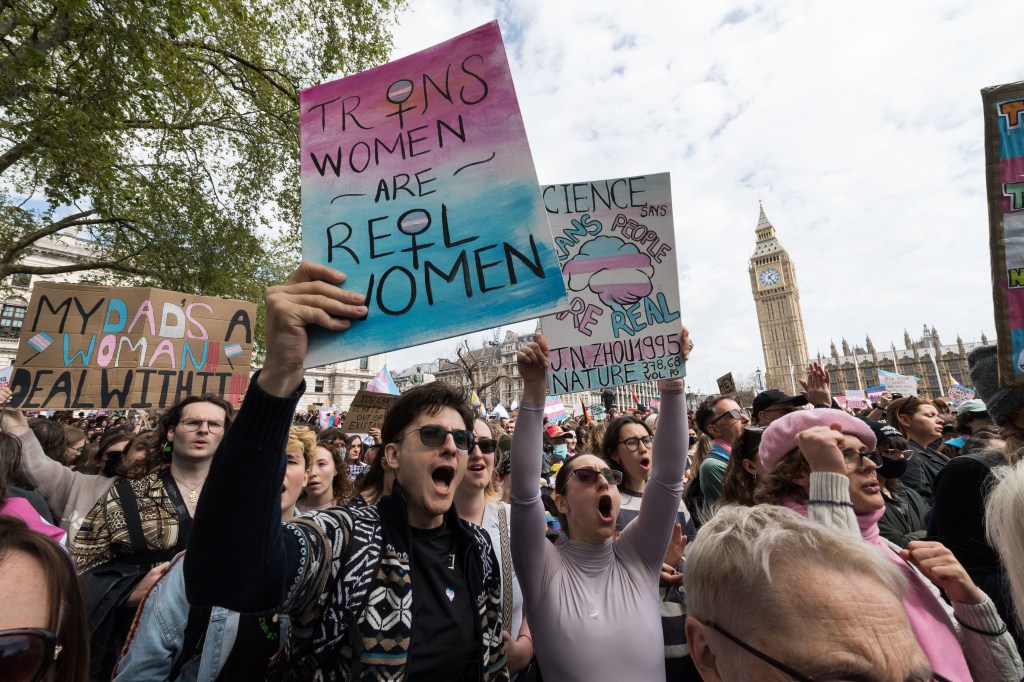
In April, the UK Supreme Court published its judgement in the case of For Women Scotland vs Scottish Ministers, decided the protected characteristic of “sex” for the purposes of the 2010 Equality Act means “biological sex” only and does not include trans people.
Immediately following the ruling, the Equality and Human Rights Commission – the UK’s human rights watchdog – published interim guidance that recommended organisations, businesses and service providers prevent trans men and women from using single-sex services and spaces, such as changing rooms and toilets, which align with their gender.
It also added in “some circumstances” trans people could be barred from spaces in regards to their “biological sex” as well. The EHRC later clarified these “circumstances” referred to situations where “reasonable objection” could be taken to a trans person’s presence, such as in female spaces, when “the gender reassignment process has given [a trans man] a masculine appearance or attributes”.
In response, throughout 2025 several organisations and businesses have taken steps to bar trans people from single-sex spaces and services on the basis of the ruling, including the Football Association (FA) barring trans women players and Labour stating trans women cannot attend the party’s women’s conference. Most recently, the Women’s Institute (WI) and Girlguiding announced they would no longer allow trans members, although their statements made clear this was against wishes and it is believed gender-critical groups have used the judgement as a hammer with which to threaten legal action.
The ruling was met with protests up and down the country which attracted tens of thousands of attendees.
The above image, taken at the London protest, conveys the force of feeling felt at the protests and across the whole community, both by trans people themselves and allies – who love, value and care for trans people.
‘Freedom to be’ quilt hard to ignore in DC
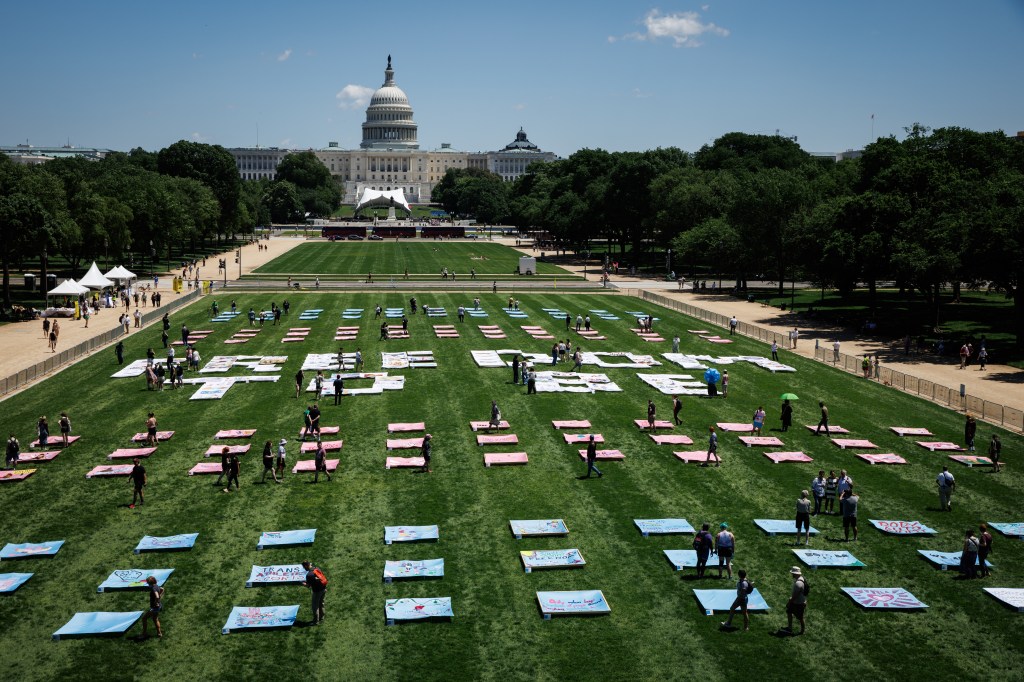
In May, a 9,000 square-foot set of quilts were laid outside the US Capitol Building in Washington, D.C. to highlight the plight of trans people across America in the face of increasing anti-trans hate and restrictive legislation.
Inspired by the NAMES Project AIDS Memorial Quilt, created in 1987 to honour those who died due to HIV-related complications, the American Civil Liberties Union (ACLU) first announced the “Freedom to Be” project in March after asking trans people across the US to design a mural on a quilt which responds to the question: “Who would you be if you had the freedom to live into the fullness of who you are?”
With 250 handmade panels designed by trans citizens, the quilt featured representations of each person’s idea of happiness alongside messages of resistance such as “trans rights are human rights”.
The image, taken from above, showcases the sheer size of the quilt as a physical representation of community and resistance, with the Capitol Building in the background serving as a reminder of the forces that are continually working against LGBTQ+ equality.
Going topless to highlight anti-trans hypocrisy
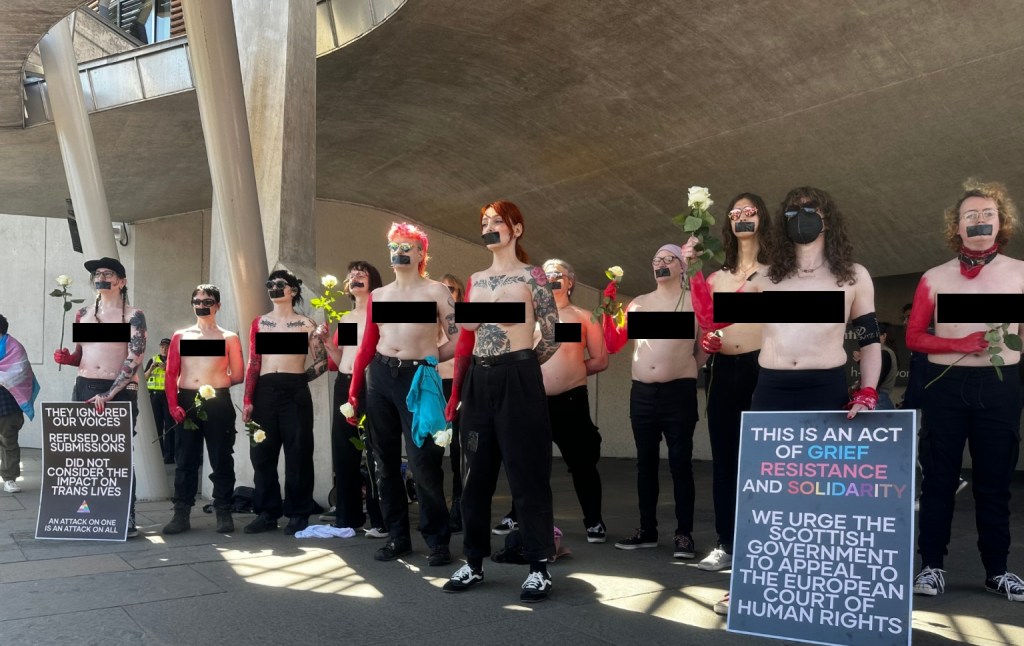
Following the Supreme Court ruling on the legal definition of ‘sex’, a group of trans women staged a topless protest outside Scottish parliament to condemn the Scottish government’s response to the judgement.
In May, the Scottish Parliamentary Corporate Body – which oversees accommodation at Holyrood – decided that as of Monday (12 May) use of “all facilities designated as male or female” will be based on biological sex, “in line with the Supreme Court judgement”. The move was branded “rushed” and “unworkable” by campaigning group Scottish Trans who said it would “exclude trans people from participating in Scottish democracy, whether as staff or as visitors to the parliament”.
One protester at the topless demonstration, Sugar, said the court ruling was “not just a setback of humanitarian rights, it’s an act of erasure”, adding: “It sends a truly saddening message that trans people’s fears, dignity and lives do not matter in the eyes of the Supreme Court. Trans voices were ignored in that decision.
“This kind of judicial disregard sets a dangerous precedent for the erosion of democracy, and a descent into fascism.
Sugar added: “If the Supreme Court can see these woman legally as men, then they’ll have zero issue with them going tops off.”
The powerful image taken at the protest, showing the demonstrators with their chests bared in public, speaks to a historic legacy of trans civil disobedience in the fight for recognition and equality particularly in regards to nudity as a form of protest. As written about by Charlie Rigoni for Trans+ History Week, in 1979 a group of trans women similarly took their bikini tops off at a pool in Milan, Italy to protest transphobia, in an act that sparked public conversion and inspired trans Italians to organise and demonstrate together.
Pure dyke joy
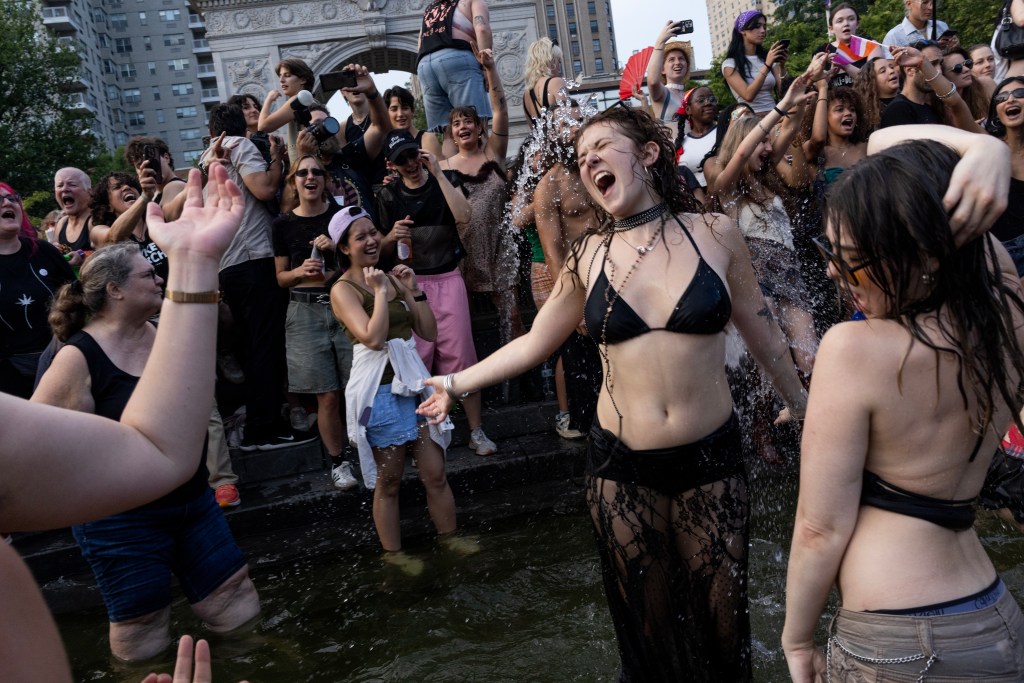
In June, NYC Dyke March took place, notably as a “protest march, not a parade”.
The 2025 theme of the march was ‘Dykes Say No to Fascism!’, with organisers stating ahead of the event: “As the political climate both within the United States and globally moves further to the right, Dykes of New York City are coming together to say NO to authoritarianism and nationalism
“In our ascent to fascism, the state imposes increased restrictions on women, queerness, and BIPOC folx; whether that be the abortion bans, anti-LGBTQ legislation or anti trans laws passed in legislatures nationwide.
“We also recognize the particularly vulnerable position that many BIPOC and immigrant dykes face in the risk of abduction and deportation by ICE. We owe it to our community to stand defiant in the face of fascism – we protect us.”
This image taken at the march speaks to the radical joy and protest of the event, which brought together dykes of all ages, races, genders, abilities, nationalities and immigration status.
They can ban Pride, but they cannot ban unity
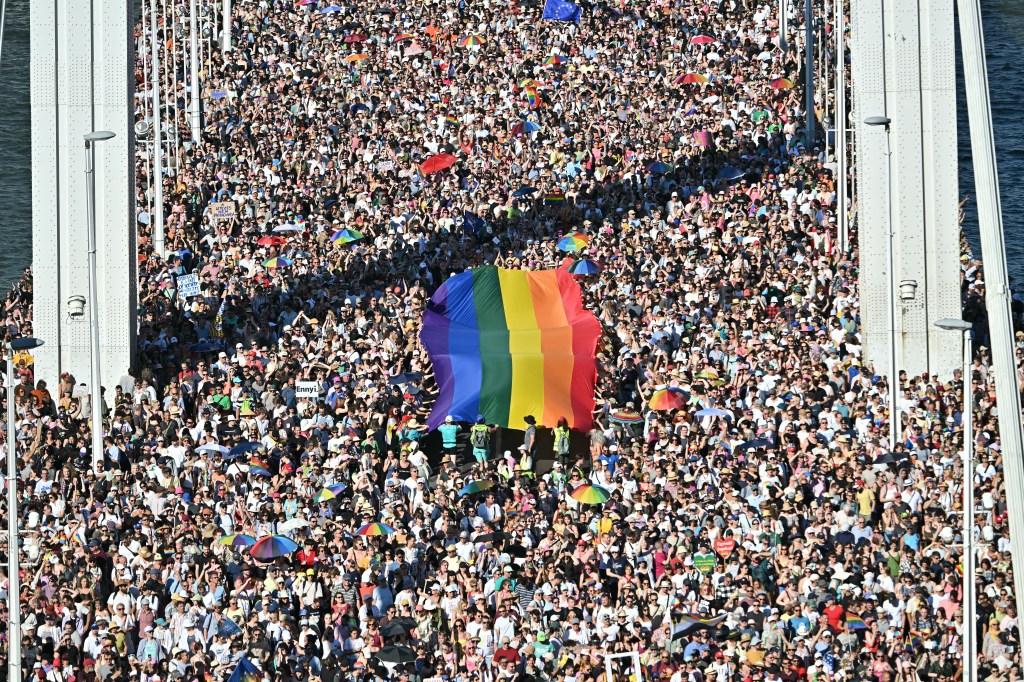
Back in March, Hungary’s government – led by anti-LGBTQ+ prime minister Viktor Orbán’s ruling right-wing Fidesz party – passed a law which banned LGBTQ+ Pride marches because they are allegedly “harmful to children”.
The Pride ban allows the country’s police forces to use facial recognition technology to identify anyone attending the marches, alongside issuing finds for both organisers and attendees.
Orbán, who has been the Hungarian prime minister since 2010, is a strongly anti-LGBTQ+ politician and has over the years legislated against queer parents, approved a copy-cat Russian-style anti-LGBTQ+ propaganda bill for Hungarian schools and claimed “no money in the world” would make him accept so-called LGBTQ+ “propaganda” after the EU froze funding in response to the country’s discriminatory legislation.
In the wake of the ban, which came shortly before Budapest Pride, Hungarians held several protests – including a tongue-in-cheek ‘Grey Pride’ event – which were hugely attended.
The above image, taken at Budapest Pride, shows the sheer force of support for the LGBTQ+ community in Hungary and opposition to the Pride ban.
Andry Hernandez Romero reunited with family
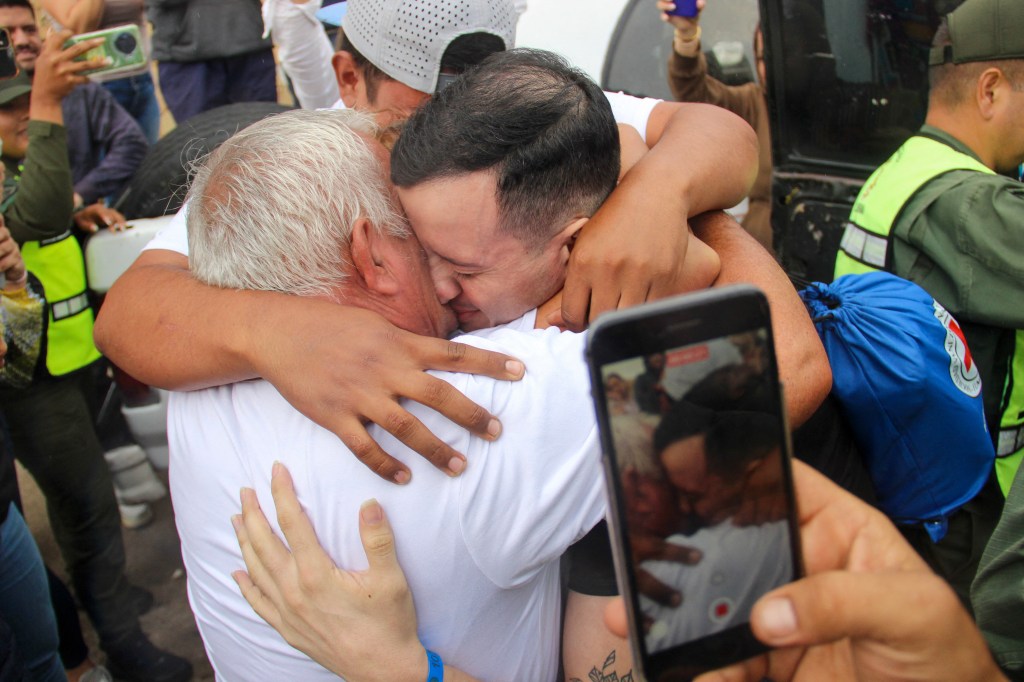
Andry Hernandez Romero tearfully reunited with his father in July after he was released from the notorious mega prison CECOT, which is known for its human rights abuses.
Romero, a hair dresser, was detained by US immigration officers in August 2024 after he crossed the southern border to attend a pre-arranged asylum appointment in San Diego, California. He had fled his home country of Venezuela and was seeking safety in the US after facing threats for being gay.
Despite Romero following legal proceedings to request refuge in the US, he was detained for more than six months in the US before being flown to the super max prison in El Salvador in March, as part of President Donald Trump’s mass deportation plan.
The US authorities alleged Romero was involved in gang activities, despite him not having a criminal record.
This image of one family being reunited speaks to the wider human impact of the Trump administration’s crackdown on immigration.
LGBTQ+ Catholics welcomed in Rome
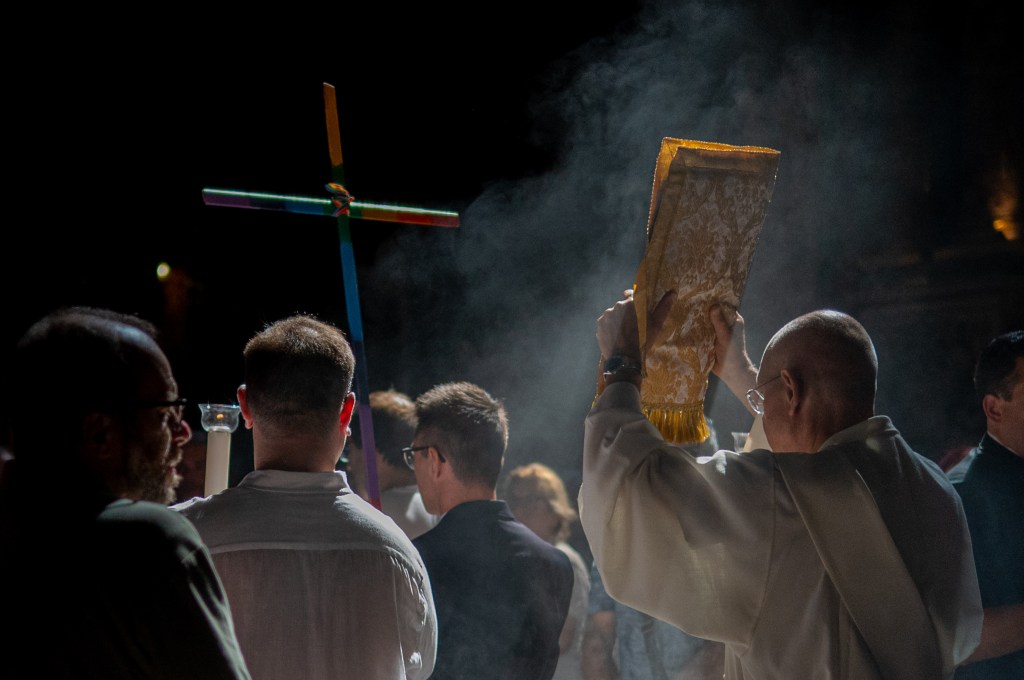
2025 was a Jubilee year in the Catholic Church, and runs until 6 January, 2026 with the theme ‘Pilgrims of Hope’.
The year-long event has taken place every quarter of a century since the 1400s and is a time of renewal, forgiveness and celebration for the faithful, who are encouraged to embark on pilgrimages to the Holy Door of St. Peter’s Basilica.
To mark the Holy Year, some 1,400 Catholics – believed to have come from more than 20 countries – took part in the Holy Year pilgrimage to Rome, wearing rainbow-themed clothing and carrying crosses.
The vice-president of the Italian Bishops Conference, Francesco Savino, celebrated Mass with the pilgrims at a packed Chiesa del Gesù church and spoke of including Catholics from minority groups.
“The Jubilee was the time to free the oppressed and restore dignity to those who had been denied it,” he said. “Brothers and sisters, I say this with emotion: it is time to restore dignity to everyone, especially to those who have been denied it.”
This image, of a rainbow cross within a church, will be deeply symbolic for many queer Catholics, especially those have long felt excluded by religion.
The sheer joy of Pride is power
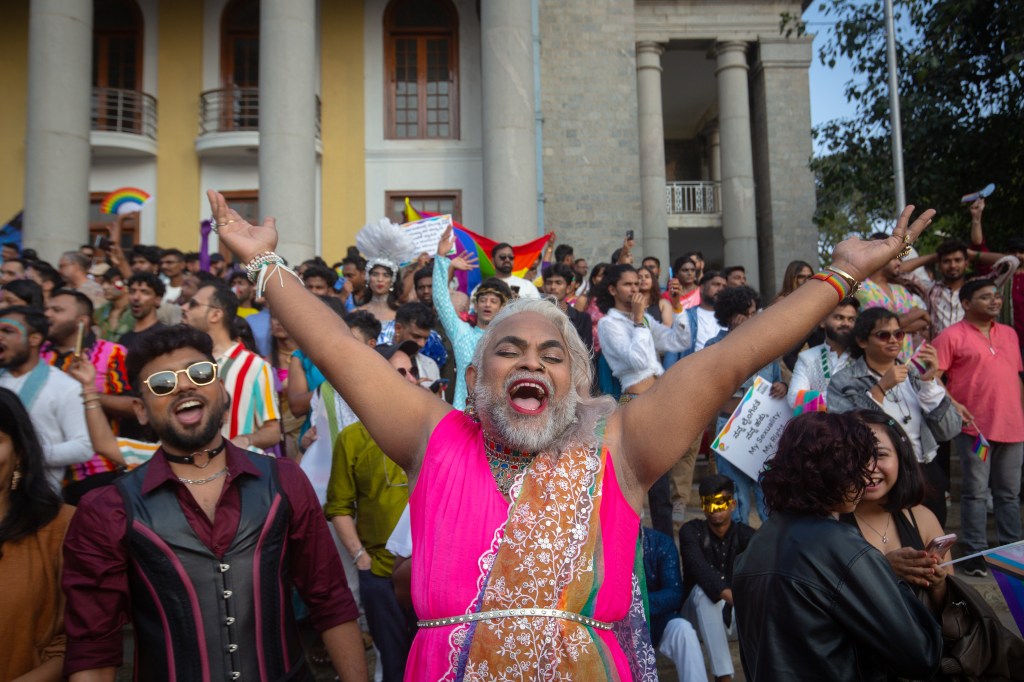
In early December, members of the LGBTQ+ community in Bengaluru, India took part in the annual Pride parade.
If the above image does not sum up what Pride is all about – joy, authenticity and community – then what does?