
Dr Hilary Cass accused of ‘hypocrisy’ over social media ban comments
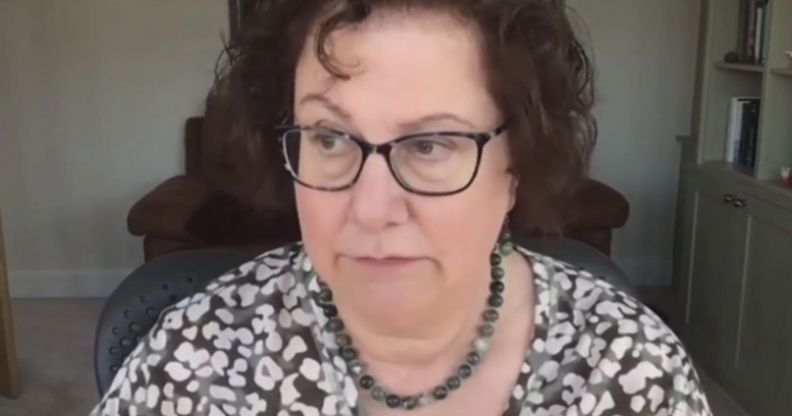
Dr Hilary Cass has been accused of ‘hypocrisy’ over her comments on a proposed ban on social media for under-16s. (YouTube)
Dr Hilary Cass has been accused of contradicting her own report’s rhetoric after urging the government to ban social media for under-16s as soon as possible.
The British paediatrician, 67, signalled support for proposals to ban social media platforms for young people, arguing “the longer we wait, the more children we fail”.
More than 60 Labour MPs called for the prime minister to follow Australia by heavily restricting platforms such as Facebook, Instagram, and X/Twitter for UK youngsters.
They argued in an open letter published Sunday (18 January) that the government had done “too little to protect young people from … unregulated, addictive social media platforms”.
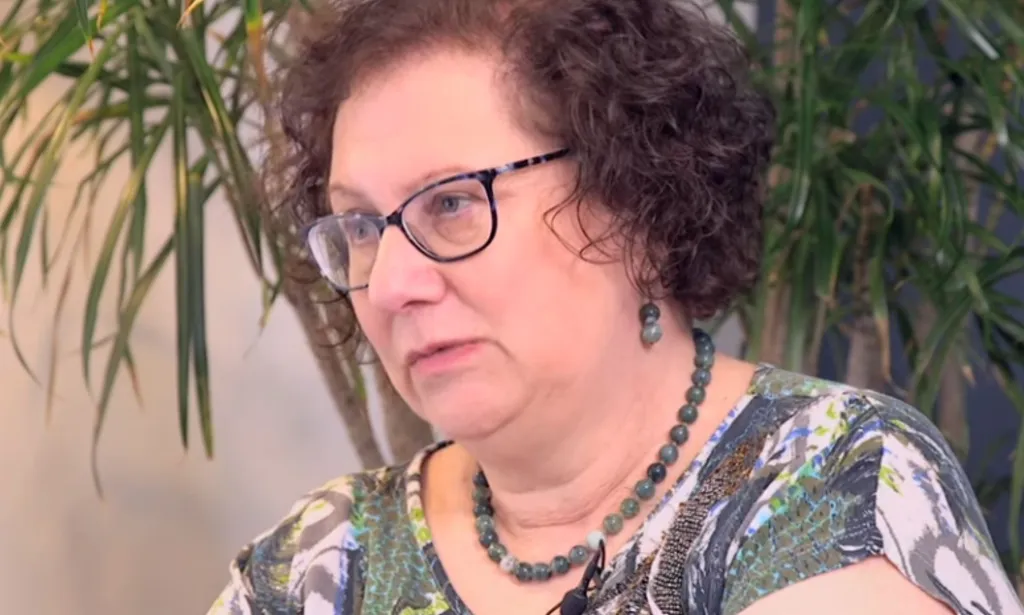
Dr Cass echoed support for the ban in a statement, saying: “Today we are told by many that when it comes to social media it is too early to move. That we must have population-based studies, and the evidence is unclear.
“Within paediatric and mental health services, as well as in general practice, we heard about distressing cases of sextortion, cyberbullying, and gaming addiction,” she told The Times. “The clinicians in the room were not describing data points or research subjects; they were describing real children who had suffered direct, incontrovertible harm. They knew their names, knew their families, and had borne witness to their trauma and distress.”
She compared the issues of social media usage to nut allergies, saying that clinicians responded “decisively” to create nut-free and protective environments after children had died of allergic reactions “without waiting for randomised controlled trials”.
“We did not tell grieving parents we needed more data, or that causation wasn’t conclusive, or that most children like nuts so we couldn’t act,” she added. “Why is social media different?
“Why, when we have coroners’ reports directly linking platform content to children’s deaths, when we have clinicians across every speciality describing these patterns of harm, when we have the platforms’ own internal research showing they know their products damage young people, why do we still hear calls to wait?”
Dr Cass’ social media rhetoric the ‘direct opposite’ of puberty blockers, experts claim
Her comments were heavily criticised by those arguing they stood in direct contradiction to her rhetoric surrounding puberty blockers for trans youth, as part of her controversial review into trans youth healthcare provision for under-18s.
Dr Cass has called for further research into puberty suppressants, which temporarily halt unwanted physical changes brought by puberty, before lifting the UK’s ban on the treatment, despite a coroner’s report into a 17-year-old girl’s suicide blaming delays in accessing care for her death.
Senior coroner Andrew Walker said in October that trans teenager Leia Sampson-Grimbly could have been saved if the years-long wait times for NHS Gender Identity Clinics (GICs) were shorter.
“Having to battle with changes to her body without receiving the necessary preventative treatment, together with the many hurdles and setbacks, gradually eroded her belief that she would succeed and everything would be alright,” he said.
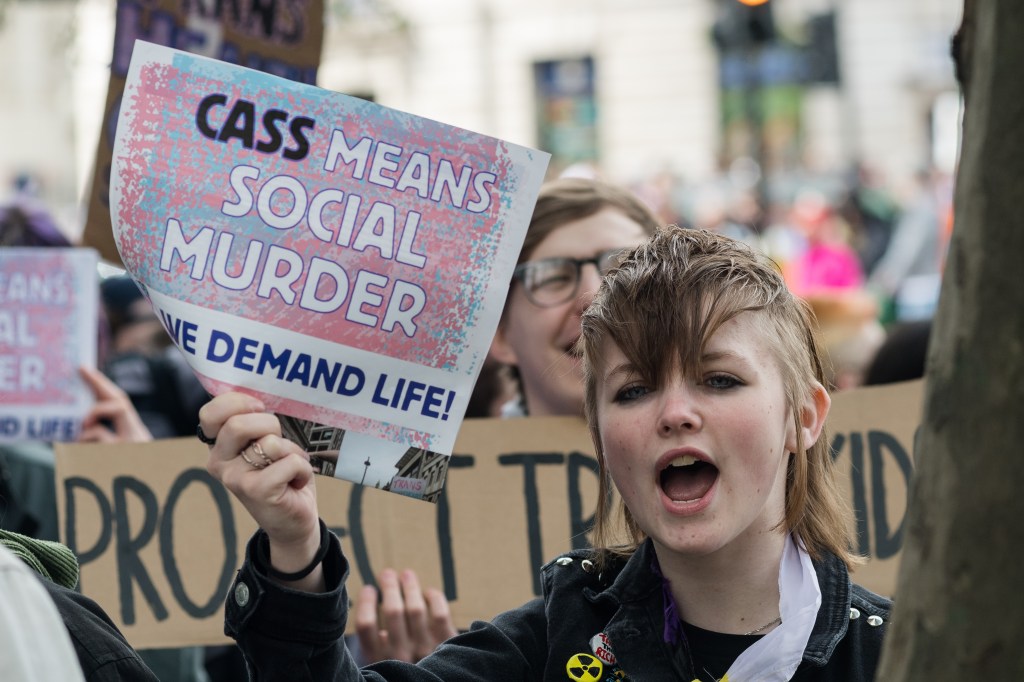
Despite this, Dr Cass insisted in her report that further research into puberty suppressants should be undertaken before they are prescribed to young people, calling instead for a “holistic approach” to care.
The UK government used this report to indefinitely extend a ban on the treatment in the UK, originally brought by the former Tory administration, pending the results of a randomised controlled trial commissioned by the NHS.
Gender Plus nurse consultant Paul Carruthers said it was “interesting to see Dr Cass take such a proactive stance on preventing the harms associated with social media without the evidence base” when her approach to puberty blockers appeared to be the “direct opposite”.
“We have seen the harm caused to those who are denied access to timely care, we have seen clinicians who specialise in this field overwhelmingly support the use of these medications – where indicated – in young trans people and yet this treatment is not available to those who need it,” Carruthers told PinkNews. “The justification given is that there is not enough evidence.”
He added that while “there should absolutely be ongoing research” into puberty suppressants, it should not act as a blockade to healthcare decisions “made by the specialists involved with the care of the individual patient”.
“Until we have sufficient evidence-based practice, we must adopt practice-based evidence and be guided by those who work with this patient cohort on a daily basis.”
Young people ‘less likely’ to report grooming concerns under social media ban, experts suggest
Numerous medical experts and major health bodies have criticised the Cass Review and its recommendations for reforming trans youth care.
A team of paediatric experts and medical professionals said in October the independent review was full of “implicit stigma and misinformation”, claiming that it did not provide “credible, evidence-based guidance” on reforming trans youth care.
Concerns were also raised by more than 200 educational psychologist in a 2024 open letter, which argued the review was contributing to the “real-world negative impacts being experienced by gender-diverse and transgender young people in the UK”.
TransActual healthcare director Chay Brown accused Dr Cass of “once again asserting authority on a subject matter on which she is not, as far as I am aware, an expert”.
“Cass has been keen for there to be longitudinal evidence to demonstrate the safety and efficacy of puberty blockers,” he claimed. “This is despite there being evidence around the use of puberty blockers dating back to the late 80s.
“On the other hand, she has been quick to jump to the conclusion that social media should be banned for under-16s – whilst the evidence she points to indicates a clear pattern of social media being harmful, it doesn’t appear to suggest that a ban is the most effective way of reducing that harm.”
Brown, who previously headed online safety while working as a primary school teacher, criticised the prospect of a ban, saying that it would place under-16s at “increased, not decreased risk” of grooming by making them “less likely” to report the issues they encounter.
“It’s clear that social media can be harmful to under-16s, but it can also be a lifeline,” he said. “Online safety experts have long advised that banning access to the internet does not prevent harm, it prevents children and young people from seeking help when they need it.”
He further criticised Dr Cass’ “contradictory” attitudes towards research in puberty suppressants and social media respectively.
“The consistent approach is one of paternalism – a ‘think of the children’ approach – which does not actually centre the voices and lived experiences of children or young people in what she is saying.”
Share your story! Do you have an important, exciting or uplifting story to tell? Email us at [email protected]