
Bangladesh university condemned as students reportedly expelled and handed to police over alleged homosexuality
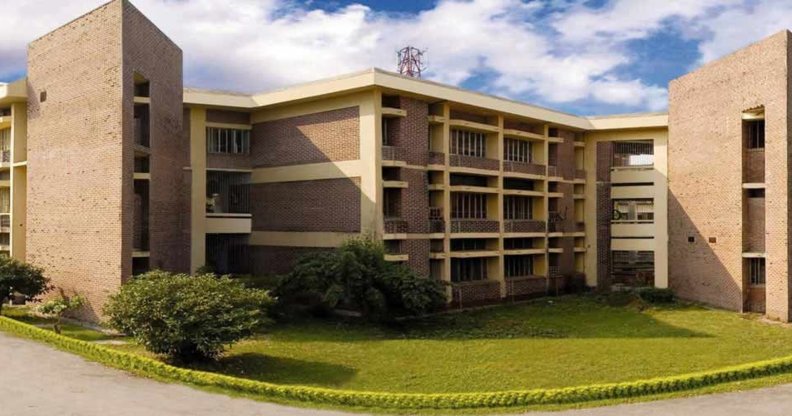
Hajee Mohammad Danesh Science and Technology University has been condemned by advocacy groups for their treatment of students (Image: Hajee Mohammad Danesh Science and Technology University)
A technical university in Bangladesh has reportedly expelled four students and handed two others to police following allegations of homosexuality, prompting condemnation in a statement by JusticeMakers Bangladesh in France (JMBF).
JMBF chief adviser Robert Simon said: “When an educational institution attempts to control private life, personal relationships, and sexual identity, it ceases to be a place of education and humanity and instead becomes an instrument of oppression. This must stop immediately”.
JMBF said the incidents took place on 16 May and 19 May at Hajee Mohammad Danesh Science and Technology University (HSTU) in Dinajpur.
What JMBF says happened
JMBF said that on 19 May the university administration detained two students from the nearby Mahabalipur area and handed them over to local police over allegations of homosexuality.
It also said that on 16 May the university administration temporarily expelled four students from the Faculty of Fisheries and the Department of Finance and Banking over allegations of homosexuality at the nearby Haven City student residence.
JMBF said an official order signed by Registrar Professor Dr. Md. Abu Hasan stated the students’ behaviour had tarnished the university’s image and fell under “immoral activities” according to Section 15 of the Ordinance of Students’ Discipline.
Professor Dr. S. M. Emdadul Hasan, director of the Student Counseling and Guidance Department, said the expulsions were implemented in response to other students’ demands, and that permanent expulsion would be imposed if allegations were proven through investigation.
University Proctor Professor Dr. Nausher One said: “We have adopted a zero-tolerance policy against this social degradation. Immediate actions have already been taken against the accused upon receiving the allegations.”
Rights concerns and wider context
JMBF said the actions were violations of the Constitution of Bangladesh, existing laws, human rights, and fundamental civil liberties.
Bangladesh is a socially conservative country where LGBTQ+ people face significant stigma and safety risks. Same-sex sexual activity has historically been criminalised under colonial-era legal provisions, contributing to fear of reporting and vulnerability to harassment.
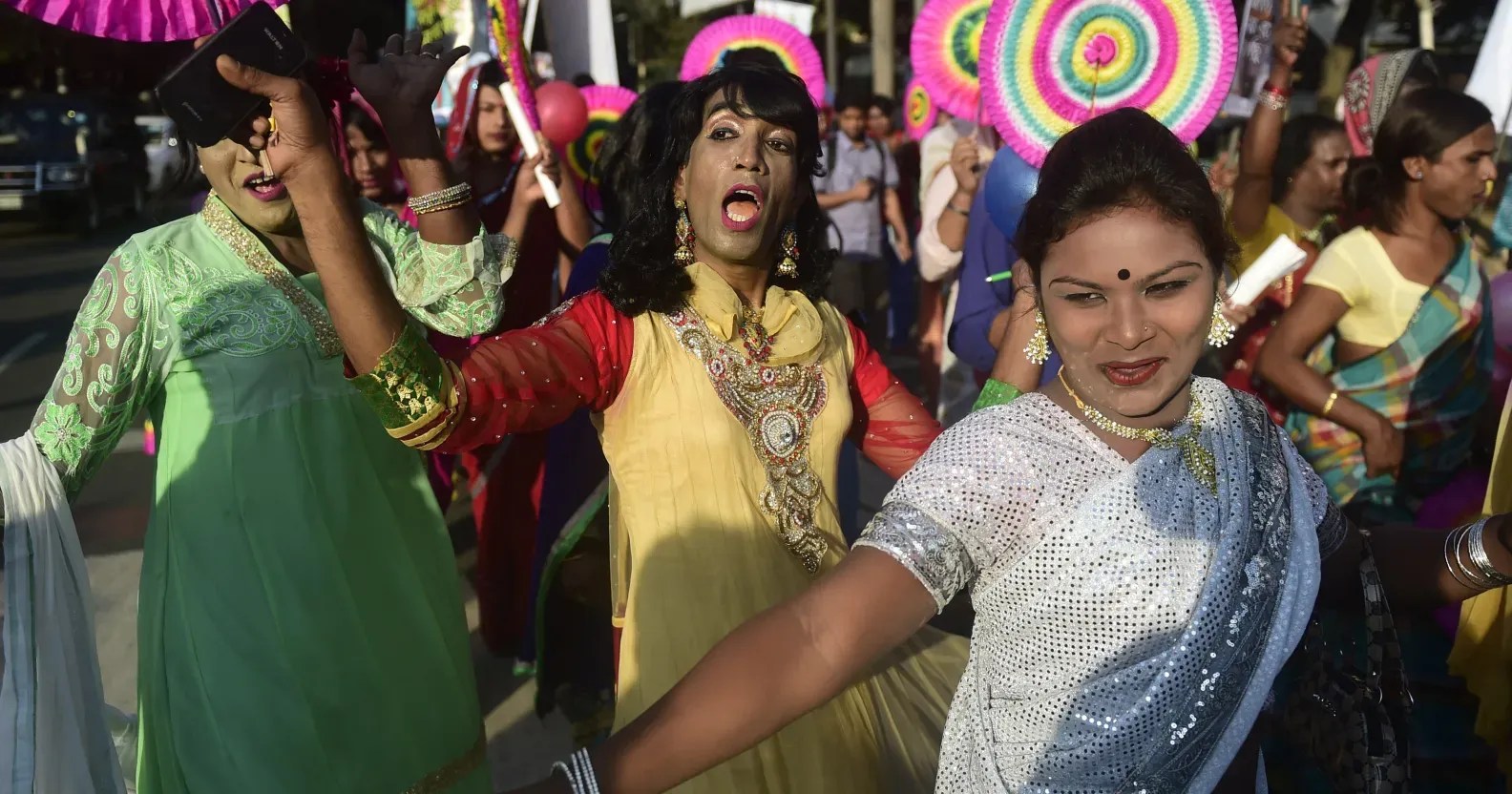
Bangladesh is also home to the Hijra community – trans people who don’t identify as male or female. The Hijra have been officially recognised as a third gender since 2013. From 2018, Hijira were allowed to use the third gender option when registering to vote. In 2021 Nazrul Islam Ritu made history, becoming the first trans mayor to be elected in the country.

JMBF also pointed to a previous incident it said took place on 19 January, when the university administration detained one university student and one university admission candidate from a rented residence in the same area and handed them over to police.