
Ten years after the Pulse nightclub shooting, survivors say their recovery may never truly be over
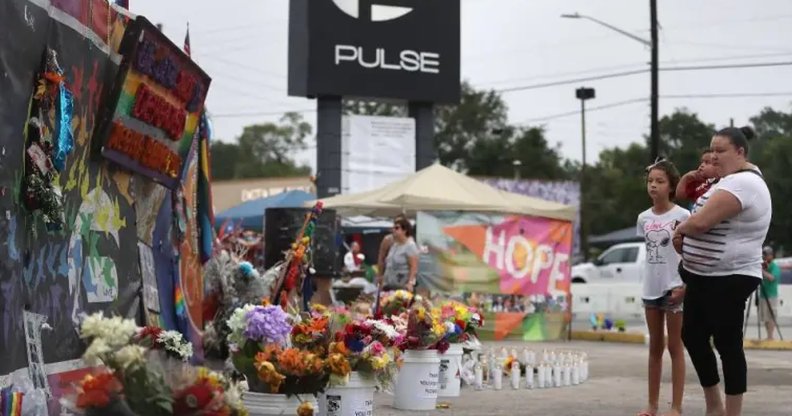
49 people were killed in the attack on Pulse nightclub, Orlando in 2016. (Photo by Joe Raedle/Getty Images) (Image: Getty)
Ten years on from the Pulse nightclub shooting, CNN has spoken to a group of survivors about what the past decade has actually looked like. The picture highlights the lasting human impact of the massacre as LGBTQ+ people mark the anniversary a decade on.
The attack, in the early hours of 12 June 2016, remains one of the most devastating acts of violence against LGBTQ+ people in modern history. A gunman opened fire inside the Orlando gay bar during a Latin night in Pride month, killing 49 people and wounding more than 50 before he was killed by police. Most of those who died were young, gay and Latino. The FBI treated it as both terrorism and a hate crime.
CNN’s feature resists a tidy survivor narrative – the three people at the centre of its reporting have recovered in completely different ways, and none of them describes the work as finished.
A career built in a friend’s memory
Brandon Wolf, perhaps the best-known of the three, lost two close friends that night, including Christopher “Drew” Leinonen. In the years since, Wolf has turned that grief into advocacy, working as a spokesperson for Equality Florida and the Human Rights Campaign, co-founding a nonprofit in Leinonen’s name and writing a memoir. He told CNN he is now moving back to Orlando to take up a new role with Equality Florida.
“Healing is not linear,” Wolf told CNN, adding that Orlando “is a community that will probably never be fully healed.” He marks every anniversary in his own small way, beginning the day with ice cream for breakfast.
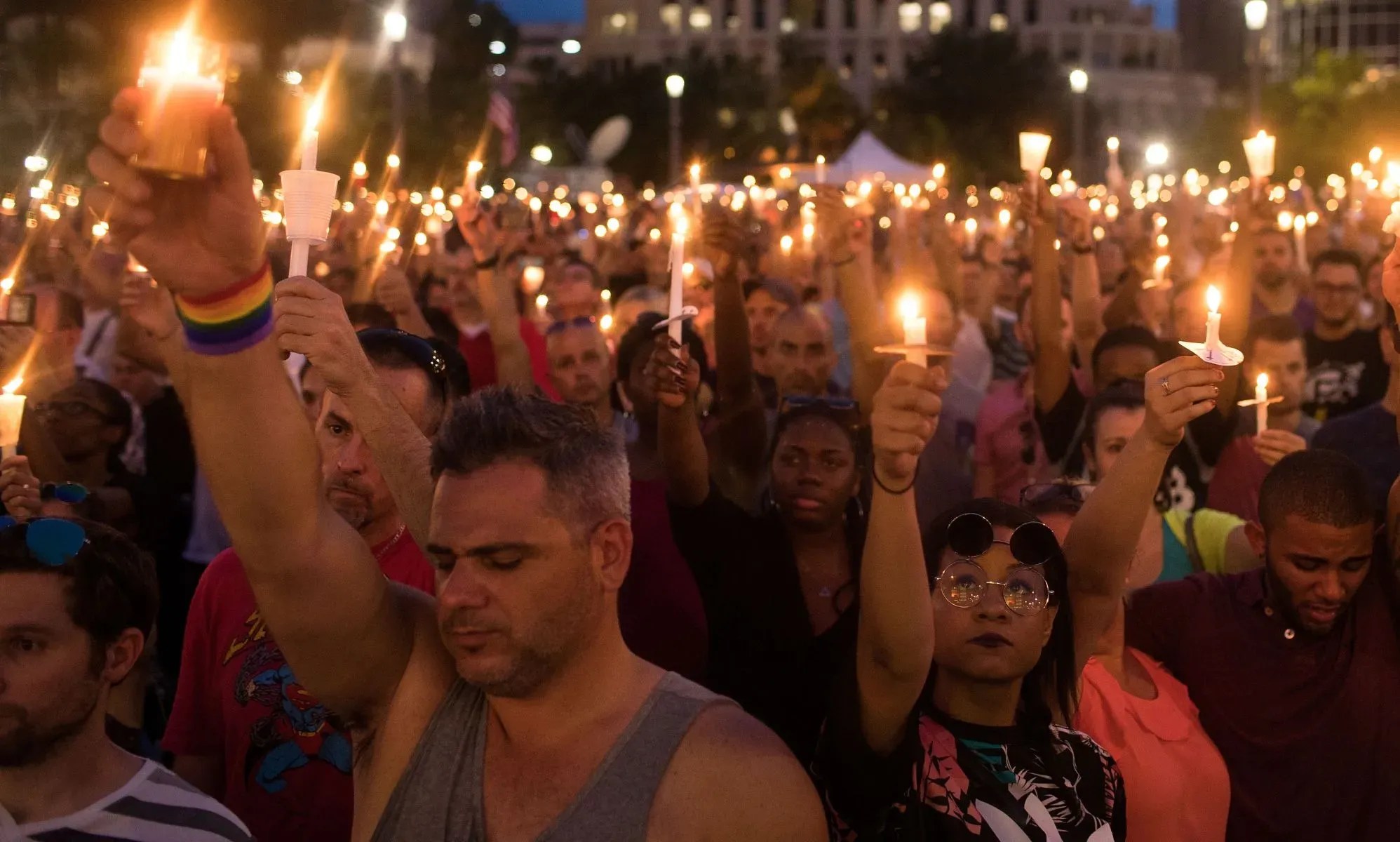
The survivor still counting the physical cost
If Wolf’s recovery has played out in public, Keinon Carter’s has been waged largely in hospitals. CNN reports that Carter has undergone so many operations over the past decade that he gave up counting at around 60. He spent a month in a coma after the attack, was told he might never walk again, and still leans on a cane on bad days.
His account also lands on something rarely mentioned in anniversary coverage: the bill. CNN reports his out-of-pocket medical costs ran past $200,000 before the hospital agreed to waive them. This year, Carter plans to visit the grave of his friend Antonio Brown, killed in the attack, for the first time.
Survivor’s guilt, and a way back from it
The third story CNN tells is Tiara Parker’s, and it speaks directly to the weight survivors carry for those they couldn’t save. Parker was at Pulse with her teenage cousin, Akyra Murray, who was killed, the youngest person to die inside the club. Parker survived gunshot wounds but, by her own account, struggled for years afterwards with survivor’s guilt that brought her to a breaking point in 2019.
What pulled her through, she told CNN, was unexpected: a passion for makeup artistry, and later a role helping other mass-shooting survivors through a victims’ nonprofit. “My cousin saved my life,” she said.

For LGBTQ+ people, Pulse has never been an abstract tragedy, and for the local community the questions it raised are still live ones, from how the site should be remembered, with survivors revisiting the nightclub before its demolition, to whether the police response that day cost lives, an issue victims’ families are still pressing 10 years on.