
Olympian Mark Foster reveals ‘double life’ he lived trying to hide he was gay
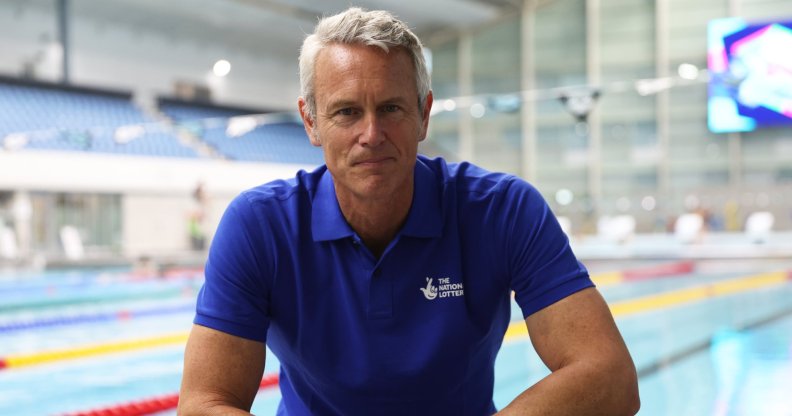
Mark Foster (Getty Images)
Gay Olympian Mark Foster has shared what it was like trying to hide his sexuality in his new tell-all memoir, My Double Life.
The BBC pundit and former Strictly Come Dancing contestant came out in 2017 at 47 years old after a long and successful career as a professional swimmer.
He won a silver Olympic medal in 2008, and even carried the flag for Great Britain during that year’s Parade of Nations in the games’ opening ceremony.
In his memoir, Foster detailed the “double life” he lived as a closeted gay professional athlete. “I kept my work and home lives completely separate, never the twain would meet. I got very good at telling half truths and outright lies. It was exhausting,” he said.
Foster continued: “When society tells you it’s not right, whether it be from the playground, the changing room or the TV, I kind of went, okay, whatever I’m feeling, I can’t be that person. That little secret became bigger and bigger.”

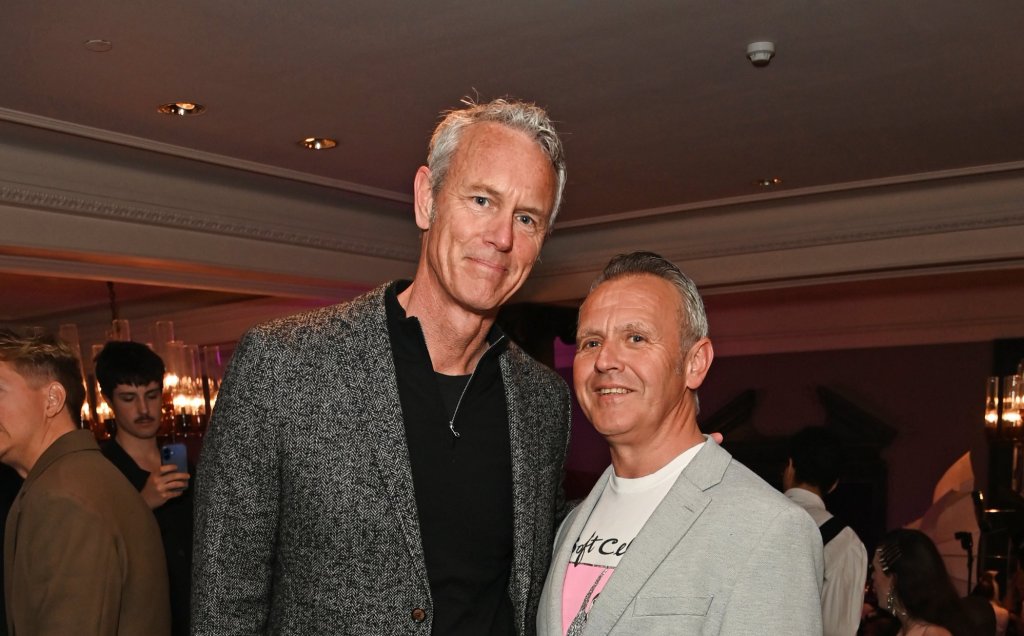
Before he came out, Foster publicly dated a woman named Catherine, but in reality she was just a friend. “Her actual partner didn’t mind, thankfully,” he said. He now lives in Leigh-on-Sea in Essex with his partner, Craig McKay.
Foster also shared his thoughts about other gay sports stars, saying that “there has to be footballers that will be gay” in the Premier League.
“There must be stories of some incredibly talented, incredibly gifted footballers who felt they could not be openly gay in that environment, because they felt it wasn’t going to be a safe place for them,” he said.
He specifically mentioned Justin Fashanu, who became the first out gay professional footballer when he famously came out in 1990. However, Fashanu faced backlash and hostility from fans, family and the media alike, which led to him taking his own life in 1998.
“His story really affects me to this day,” Foster said of Fashanu. “He was incredibly brave, but it goes some way to explaining why many gay people, myself included, felt unsafe to come out publicly.”
He continued: “Do I think it’s got better? Yes. Do I think it’s where it should be? No. It’s got a long way to go. People still use hate speech and call it free speech. There is still prejudice and widespread homophobia. It’s bullying.”
Share your thoughts! Let us know in the comments below, and remember to keep the conversation respectful.