
Exploring what ‘transmasculine non-binary’ means as XG’s Cocona comes out
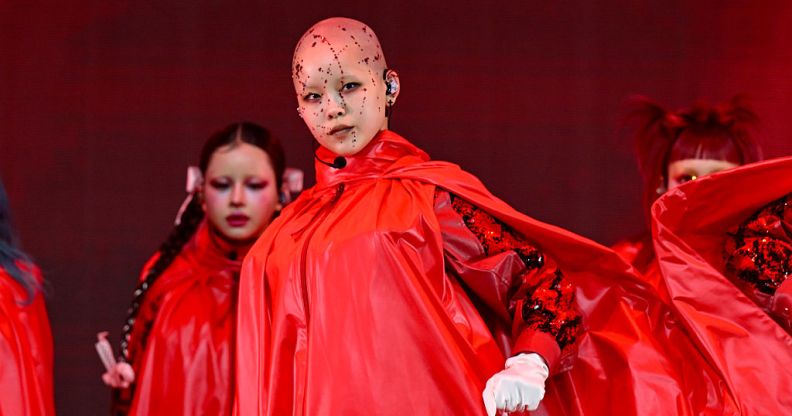
Cocona of XG performs onstage at the 2025 Coachella Valley Music And Arts Festival on April 20, 2025 in Indio, California. (Photo by Gilbert Flores/Variety via Getty Images)
In December 2025, XG member Cocona came out as transmasculine non-binary, to an outpouring of support from fans on social media, with one fan praising them as “a bad ass”.
The Japanese rapper shared the news on XG’s official Instagram account, writing: “I am AFAB transmasculine non-binary. Earlier this year, I had top surgery.
“The hardest thing I’ve ever faced was accepting and embracing myself. But as I slowly began to do that, I was able to open a new door. That moment changed the way I see and understand the world, and it gave me the courage and strength to grow,” they continued.
“Now, I can finally say, ‘There’s nothing wrong with who I am inside.’”
Through their work with XG, Cocona is best known for their singles including “Woke Up” and this year’s “Million Places”, both of which became top ten hits on the Billboard Japan Hot 100. XG have also won two MTV Video Music Awards in Japan.
In 2024, Oppenheimer actor Nick Dumont also came out as transmasculine and non-binary and shared their new pronouns online.
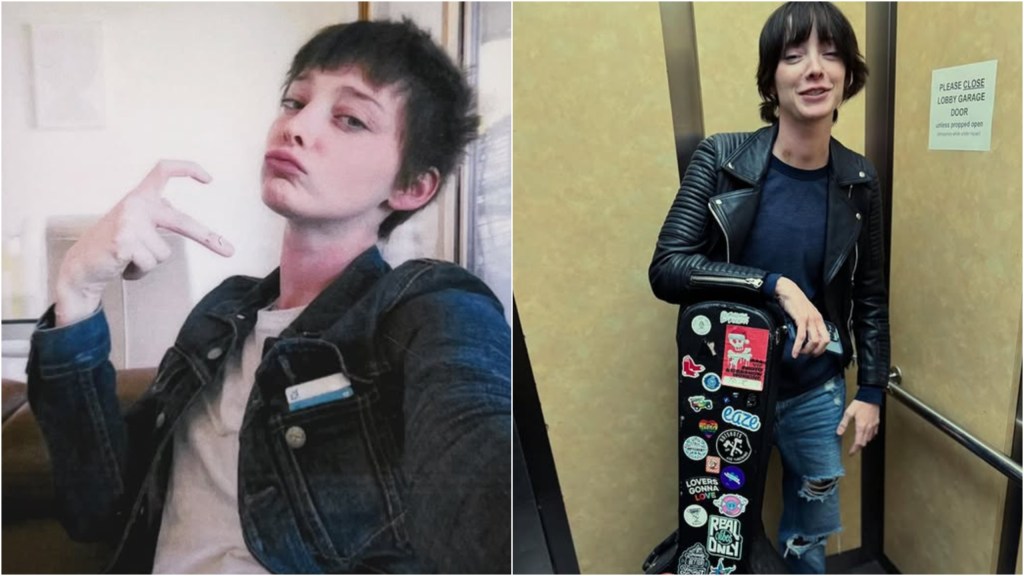
“They identity as a trans masculine non-binary person,” a representative told TMZ.
Dumont rose to fame after their performance in the Oscar award-winning film Oppenheimer, where they played a character called Jackie, alongside other cast members Cillian Murphy, Emily Blunt, Robert Downey Jr., Matt Damon and Florence Pugh.
While supportive of Cocona – some people in the comments questioned what the term ‘transmasculine non-binary’ meant, asking for more clarification.
To help set the record straight, here’s some more info.
What does transmasculine mean?
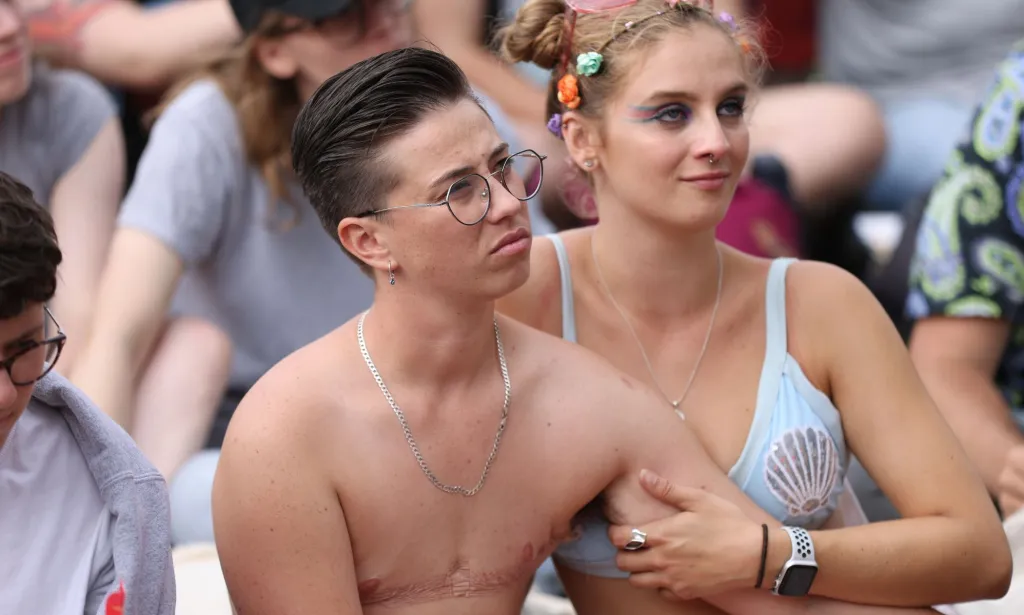
Transmasculine is an umbrella term used by many people who were assigned female at birth (AFAB), but whose gender identity is actually masculine or partially masculine. It’s often abbreviated as “transmasc.”
It encompasses a wide range of identities, from transgender men, to AFAB non-binary people, AFAB genderfluid people (whose gender identity is fluid and can oscillate back and forth), AFAB demiboys (someone who partially identifies as a boy, man, or masculine) and other AFAB people who identify with masculinity.
What does non-binary mean?
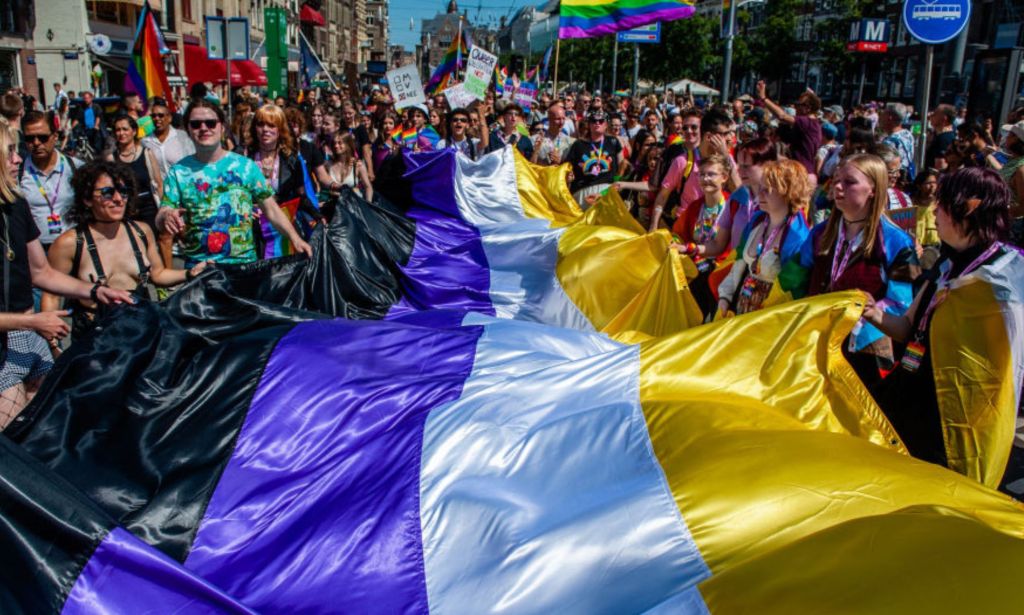
If you think of gender as a spectrum, male and female sit at either end (although this isn’t a hard and fast rule).
We think of these as the binary genders, and binary people tend to have quite fixed gender identities (transgender men and women are included in this along with cisgender men and women).
Non-binary people, on the other hand, can identify anywhere along the gender spectrum. In fact, some non-binary people see themselves as being entirely outside the notion of gender.
Many enby (non-binary) folk use gender-neutral pronouns such as they/them or ze/zir, rather than the binary pronouns (he/him, she/her). But not all non-binary people use gender-neutral pronouns.
Some use he/him or she/her, while some non-binary people use he/him or she/her alongside gender-neutral pronouns such as they/them.
What is the meaning of transmasculine non-binary?
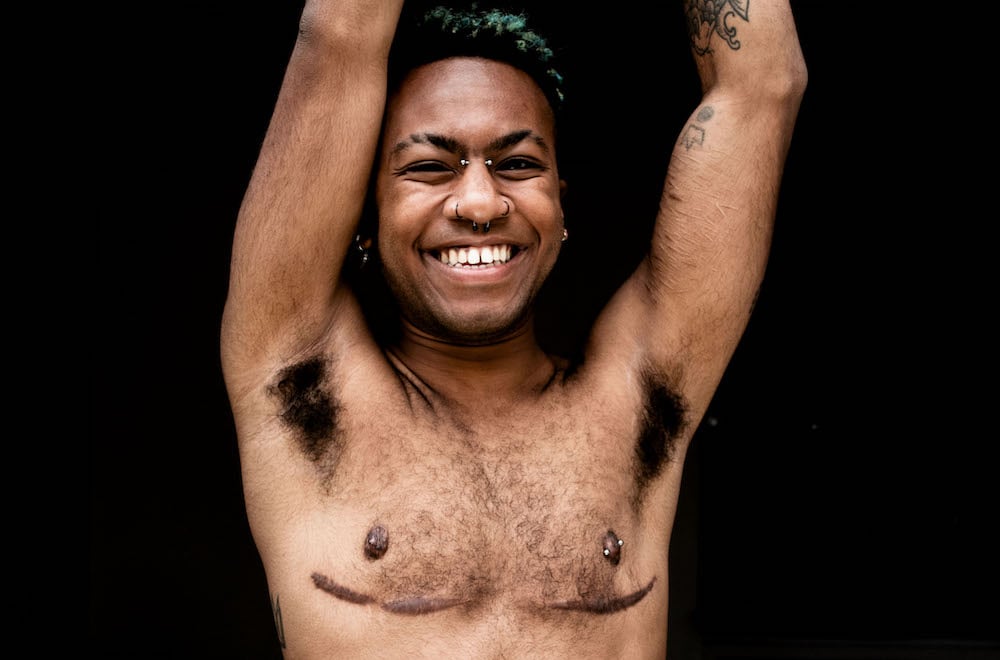
So, when we put that together, someone who is “transmasculine non-binary” is likely to be someone who was a) assigned female at birth (AFAB) b) doesn’t fit into the traditional gender binary mould and c) identifies with the more masculine aspects of the gender spectrum.
In 2023, a transmasculine, non-binary lesbian called Cal (he/they) spoke about his experience of coming out as transmasculine and how it impacted existing relationships along with what the word “lesbian” means to them. “A transmasc person is a trans person that is a masculine person, and masculinity can mean different things to different people,” Cal told PinkNews.
“I only ever wanted to do all the things that boys wanted to do, play all the games that boys wanted to play”, they added, while discussing uncovering their own identity and looking back at their past. “I was friends with boys because I felt like it was easier to be around them.”
However, the most important thing to remember is that no trans person has the same experience.
Gender dysphoria manifests in different ways for each individual, and it doesn’t make them any less legitimate as a transgender person. Also, if a person tells you what their pronouns are, those pronouns aren’t “preferred.” There are no options other than the one given to you by the trans individual. Hope that helps!