
‘Sad’ new poll shows many LGBTQ+ people feel their sexuality stops them exercising
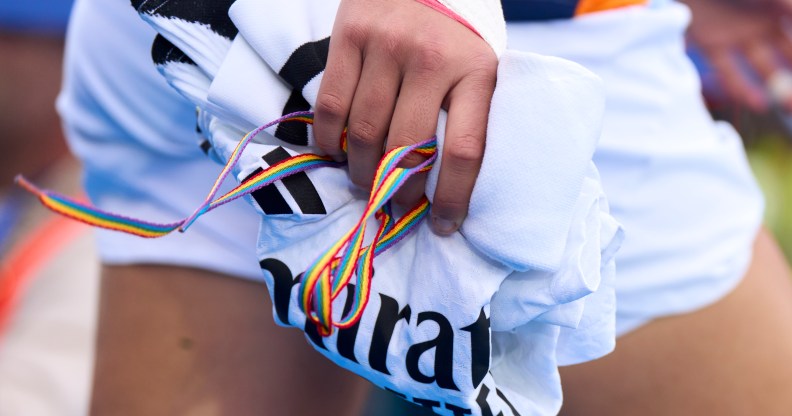
Queer folks still feel like they cannot take part in sports (Diego Souto/Getty Images)
A new poll has revealed many LGBTQ+ people still experience discrimination while exercising and their identities are a barrier to participation in sport, as Stonewall re-launches its Rainbow Laces campaign for the 13th year.
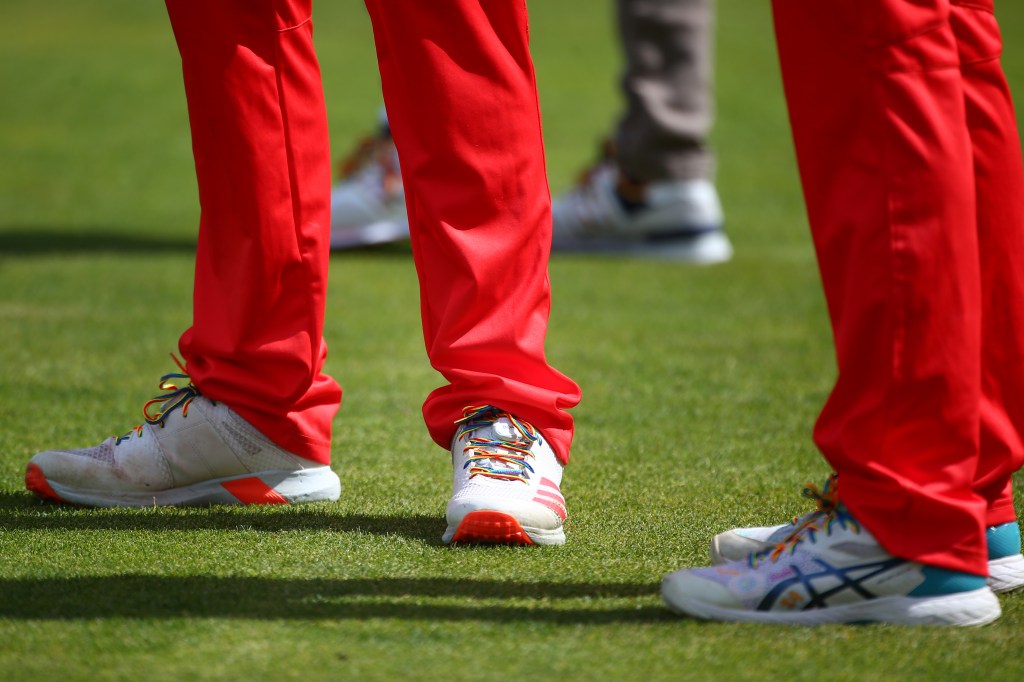
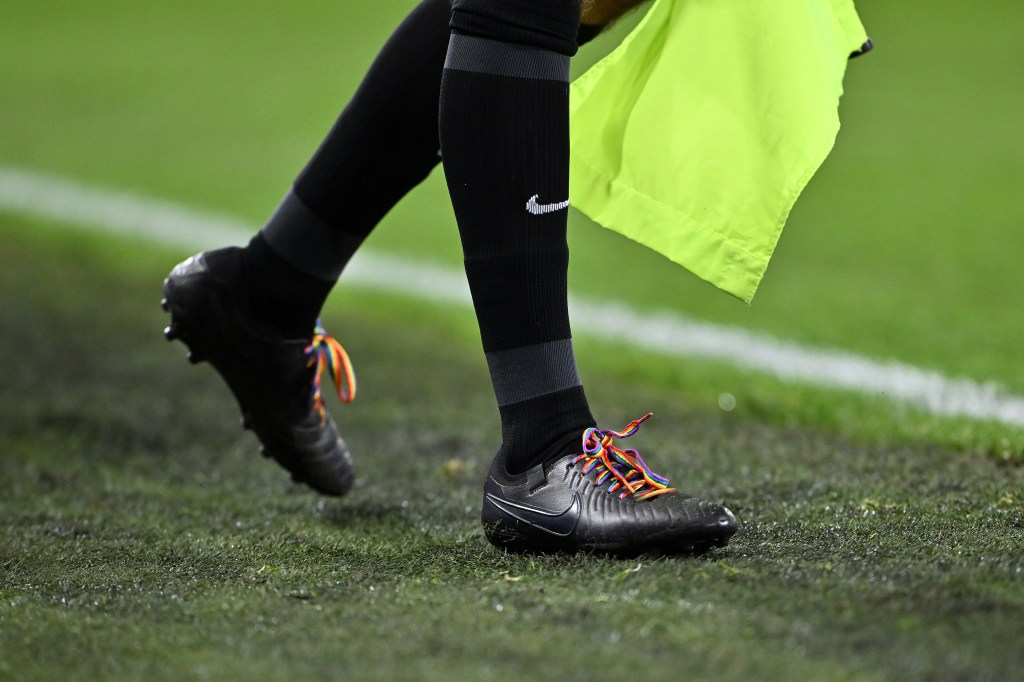
Stonewall’s Rainbow Laces campaign is an annual, visible show of support for LGBTQ+ inclusion in sport and involves athletes from elite to amateur level in various different sports who don rainbow-coloured laces alongside their normal kit to highlight equality and acceptance.
As part of this year’s #MovewithPride campaign, a YouGov survey found more than a third of LGBTQ+ people surveyed (37 per cent) had experienced “discrimination by someone else’s behaviour, attitudes or language while exercising or trying to exercise”. This figure was almost three-times higher than all respondents, just 13 per cent of which reported the same experiences.
The poll surveyed 2,122 adults over the age of 18 on 22 and 23 December 2025.
The results also found just over a third of LGBTQ+ respondents (34 per cent) felt their sexuality was a barrier to taking part in sport and exercise and 45 per cent of LGBTQ+ people admitted they were not meeting the Government-recommended levels of vigorous exercise.
More than three-quarters (76 per cent) of people who are members of the LGBTQ+ community also said they experienced poor mental health, compared to 44 per cent for all respondents.
Dame Kelly Holmes, a double-Olympic gold medal holder who came out as lesbian in 2022 and will be hosting a roundtable in partnership with Stonewall to explore how barriers preventing LGBTQ+ people from getting involved in sport can be removed, said: “As an elite athlete I’ve had the privilege of winning gold medals, and that achievement will always be part of my story.
“While I’m no longer competing at the elite level, movement and exercise remain essential to my wellbeing, they support both my physical and mental health.
“I’m supporting the Rainbow Laces campaign because I believe movement and exercise should be accessible to everyone in the LGBTQ+ community. When people feel they belong, confidence grows and taking part in sport supports this to become easier and more joyful.”
Professional footballer Josh Cavallo, who came out as gay in 2021, described being a sportsman as “an integral a part of my identity as being a gay man”.
“I am saddened that other members of the LGBTQ+ community are not always routinely able to access the great enjoyment, wellbeing and mental and physical benefits that sports and exercise – at all levels – can bring.
“Everyone should feel like they belong in sport and exercise, and Rainbow Laces and the Proud Pledge are tangible ways of addressing this, so I am really pleased to be able to support this important campaign.”
Simon Blake OBE, Stonewall’s chief executive, added that in his experience as “keen equestrian” he knows the “joy and sense of wellbeing that taking part in movement brings”.
“The Rainbow Laces campaign is working to make sure that this feeling and its benefits are available to everyone, including the LGBTQ+ community,” Blake continued.
“If you are a sporting or exercise organisation, I would encourage you to sign up to Proud Pledge, show your support and enable everyone to feel they can move with pride.”
Research conducted by Stonewall for Rainbow Laces previously found LGBTQ+ people still feel unwelcome or unsafe whilst playing or watching sports, with one in four saying they do not feel welcome in community sports groups or community team sports.
The research, from 2024, found one in five people who attended a live sporting event during the previous 12 months felt discriminated against because they are LGBTQ+, whilst one in three Black, Asian and minority ethnic LGBTQ+ people who attended a live sporting event in the past year reported being subjected to discrimination.