
Ghana’s parliament approves anti-LGBTQ+ bill that criminalises identifying as queer
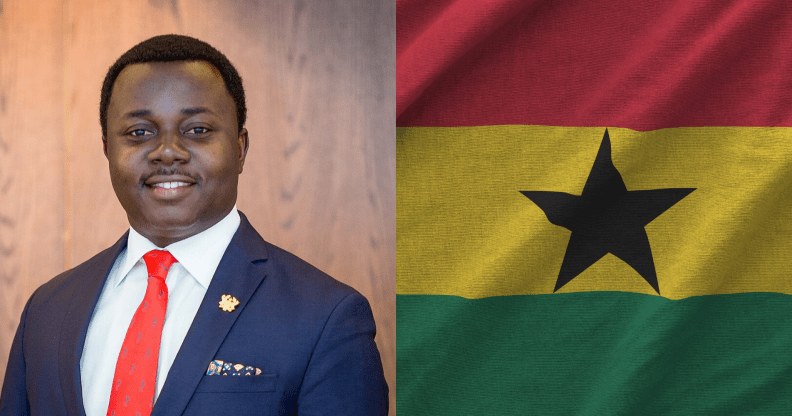
Reverend John Ntim Fordjour sponsored the bill. (Wikimedia Commons, Envato)
Ghana’s parliament has approved a new bill that criminalises homosexuality, with people that identify as LGBTQ+ receiving up to three years in prison.
The bill also criminalises the promotion of LGBTQ+ activities, and introduces a “duty to report” acts that go against the law. Anyone that identifies as an ally to the community can also face imprisonment.
Exemptions would be made for those who work in the legal, media and healthcare sectors that report on LGBTQ+ issues or provide medical treatment to the community.
President John Dramani Mahama has not yet signed the bill into law, but is currently under pressure from religious leaders to do so.
Reverend John Ntim Fordjour (pictured above), who sponsored the bill, spoke at parliament on 29 May, saying that the new laws will protect the country’s cultural and family values, and make current anti-LGBTQ+ laws “more robust, more encompassing and more stringent in dealing with the practices of LGBTQI.”

S*xual relations between two men – termed “unnatural carnal knowledge” – has been illegal in Ghana since the British colonial times but the new law would impose a prison sentence for anyone simply identifying as LGBTQ+.
The bill has been widely criticised by international organisations. According to the BBC, the Human Rights Watch said that it places LGBTQ+ people’s lives at risk while “encouraging citizens to surveil and denounce one another,” and recommended that it be abandoned.
A similar bill was passed in the West African country back in 2024, but the then-president President Nana Akufo-Addo refused to sign the bill into law before he stepped down, citing the legal challenges.
The finance ministry had warned him that the country could lose up to $3.8 billion (close to £3 billion) in World Bank funding, which could affect Ghana’s economic recovery.
In 2024, a Ghanaian LGBTQ+ activist told PinkNews that the bill made it a “very challenging time”.
The activist, who preferred to remain unnamed, is known as a leader in the community and often gets people who are “scared” asking them what resources are available to help.
“It’s very important for the community to know how to take care of ourselves in times of difficulty,” the activist said.
“We do not know who to trust. We are just like a ball floating on a very big water surface. We do not know where we go next. At the end of the day, we just wake up hoping that it doesn’t happen the way the wider society is expecting it to happen.”