
Queer panic erupts as AI face scanners installed across San Francisco gay bars
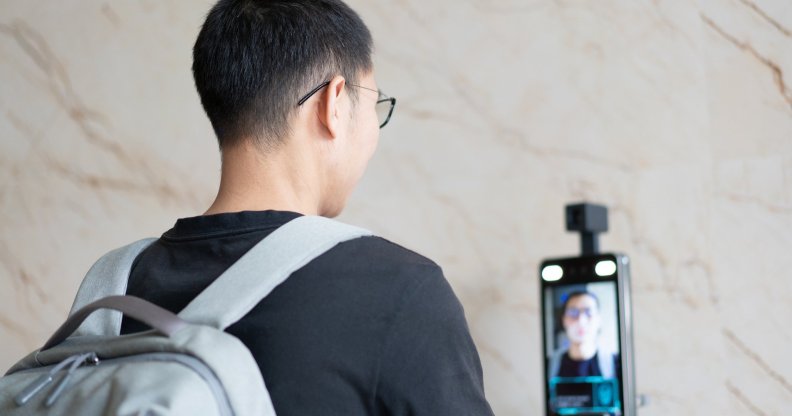
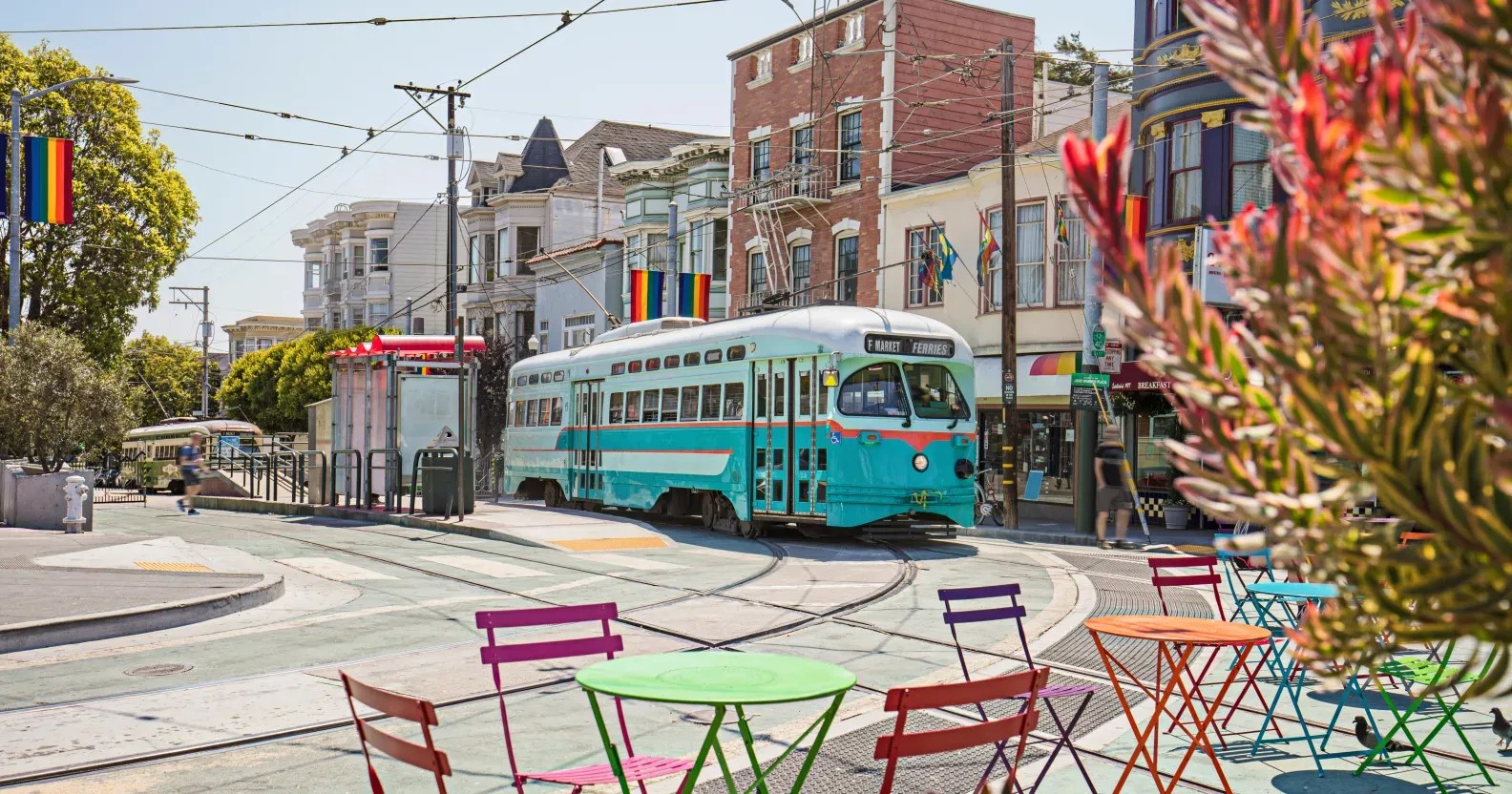
Facial recognition scanners are appearing at gay venues in The Castro (Image: Getty Images)
Several gay bars in San Francisco’s Castro are reportedly requiring customers to complete a face scan alongside showing photo ID, prompting fears that queer patrons could be tracked across venues via shared databases.
A San Francisco Gazeteer investigation by reporter Cydney Hayes said bars including Mix, Badlands and Toad Hall are using face-scanning ID kiosks made by a company called PatronScan.
The kiosks are described as collecting personal details including “names, addresses, genders, and even how they behave inside the bar.” The investigation also said the machines share that information “with a connected network of other machines in bars nearby”, raising concerns that someone turned away or flagged at one venue could be identified elsewhere.
The data is reportedly deleted after 30 days unless a patron exhibits “bad behavior”, in which case it is said to remain in the database. The kiosks may cost owners over $4,000 per year per venue.
One interviewee quoted in the investigation warned: “It’s really not great to have lists of gay people,” underlining why surveillance-style checks can feel especially fraught in queer nightlife spaces, where some patrons rely on anonymity.
Viral backlash after a Castro visit
The issue gained wider attention after an X post on 10 June from Eddie Kim, who wrote: “I went to the Mix in the Castro, and they collected my photo and ID data without me knowing.”
Kim added: “Turns out, it’s part of a surveillance network, and some worry about a corporation having “lists of gay people” in 2026.”
Why face scanners worry LGBTQ+ patrons
PatronScan is a nightlife security and ID verification vendor that markets scanning systems to venues as tools to detect fake IDs and manage banned patrons. Privacy advocates have criticised venue ID-scanning systems for collecting more data than customers expect, with unclear retention and sharing practices.
Biometric-style identification in nightlife can disproportionately affect marginalised groups, including LGBTQ+ people, who may face heightened risks from outing or targeted harassment. In the US, regulation of private-sector facial recognition and biometric data varies widely by city and state, creating patchwork protections.

Writer and activist Hayley Tsukayama said: “People are not expecting that kind of collection and retention when they go to an establishment,” adding, “It’s a mismatch for consumer expectations, and for that reason, I think it is concerning and there should be more transparency.”