
‘I’m tired of gay best friends being furniture in romcoms’
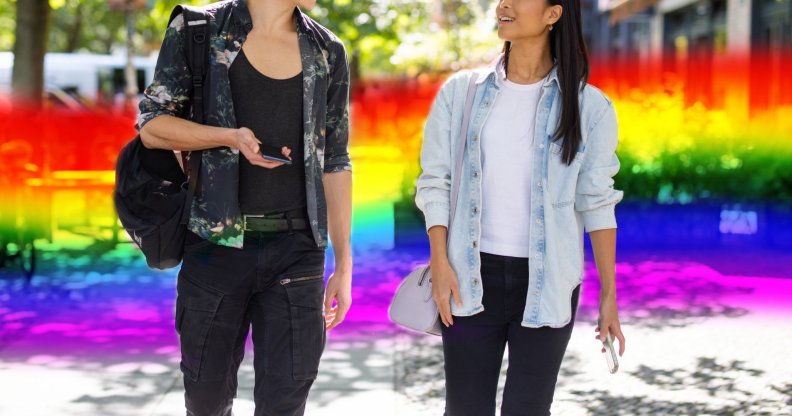
Gay best friends are often background characters in romcoms (Getty Images, stock)
There’s one gay man mainstream romcoms keep hiring.
Straight out of Central Casting, he’s moisturised, emotionally available and free at all hours, especially when the heroine needs someone to tell her she looks amazing in a (quite frankly) awful/desperate dress.
He never loses it or sulks. There are no money worries, bad moods or complex mother-son relationships. He doesn’t cut his toenails on the toilet. Nine times out of 10, he has no sex life to speak of, unless it happens off-screen, shared with his “bitches” over bottomless brunches.
He exists to carry multiple shopping bags, pour wine, say something devastating about his ex, then disappear until the next emergency.
The Gay Best Friend has been ticking diversity boxes in mainstream romcoms for decades, smiling through other people’s up-and-down love stories. He’s waspishly funny, sharp and never messy, big on pearls of gay wisdom – but God forbid he gets to make a catastrophic romantic decision of his own.
This bothers me more now because romantic fiction is having a moment. UK romance and saga sales hit £69million in 2024, up from £24million in 2019, which is delicious. A genre dismissed as frothy, silly or seriously uncool is doing what it’s always done: giving readers emotional satisfaction, hope, chemistry, jokes and the pleasure of watching people make awful decisions before finding their happy-ever-after.
Romcoms understand something a lot of literary fiction claims to be above. Life is ridiculous. Love is ridiculous. People lie, panic, flirt with the worst person in the room, get inappropriately drunk, and build entire identities around avoidance.
Straight characters get all of that. They get to be selfish, horny, jealous, generous, neurotic, embarrassing and adored. They’re granted all-you-can eat buffet access. Queer characters are still handed a side plate and told to keep their hands off the good stuff.
I don’t want every gay character to be noble. In fact, I’m pleading with writers and publishers to let more of us be an absolute liability.

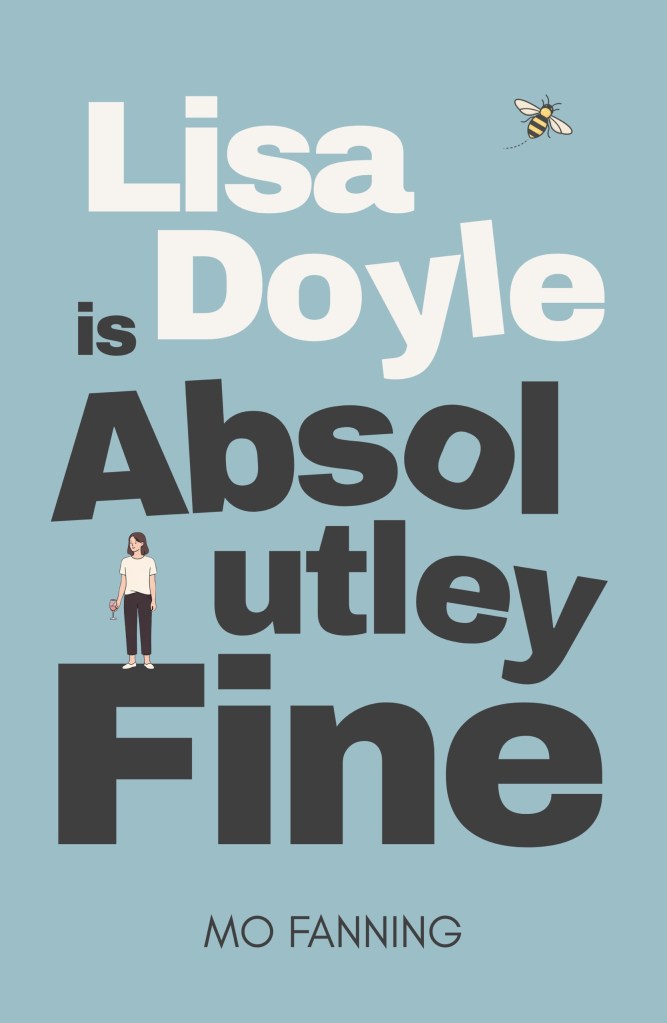
That was on my mind when I wrote Lisa Doyle Is Absolutely Fine. Lisa is heading for 40 and anything but fine. Her best friend is getting married, everyone else seems settled, and after four glasses of not great wine she tells Instagram she’s engaged too. To a man called Brian. The problem, apart from everything, is that the only Brian under 60 in her life happens to be her boss.
Her actor flatmate Andy is gay, funny and loyal, but he’s no cocktail-slurping cliché. Andy is part of the engine. He makes things worse. He’s vain, brave, insecure, generous and borderline deranged.
That version of a gay man feels truer to me than another frictionless best friend in a statement jacket.
I grew up hungry for funny stories where queer people weren’t treated as a lesson, a tragedy, or evidence of the main character’s broad-mindedness. I didn’t always need a coming out story – though they do matter. I didn’t crave trauma served with tasteful restraint. Sometimes, I just wanted the queer character to get the big entrance, the bad idea, the best line and the fallout.
There’s still a strange hierarchy around LGBTQ+ stories. Serious suffering is respected. Literary pain is welcomed. If a queer character is miserable in a beautifully described room, the author is invited to sit at the Booker Prize table. Put queer people in a funny book and suddenly it’s “beach read froth”. As though laughter is a lesser form of truth.
I don’t buy that for a second.

Comedy has always been one of the sharpest tools queer people have. We’ve used it to survive bad dates, family Christmases and the cruelty of school PE changing rooms. We understand timing. We know about masks. We know the difference between being seen and being stared at.
So yes, let the gay best friend be funny. Let him be stylish if he wants. Let him arrive with good wine and a devastating opinion about someone’s shoes. I’m not a monster.
But let him want things. Let him get things wrong. Let him be bored, jealous, horny, skint, petty, pretty, brilliant and kind. Let him push the plot instead of decorating it.
Romance is booming. It would be a shame if, in all that abundance, queer characters were still expected to stand politely by, waiting for the heroine to need a gay-boy pep talk. Give us the messy crushes, the obviously terrible decisions and the grand finale. After decades of helping everyone else get there, we’d quite like a happy ending of our own.
Lisa Doyle is Absolutely Fine by Mo Fanning (Spring Street Books) is out 18 June 2026.
Share your thoughts! Let us know in the comments below, and remember to keep the conversation respectful.