
‘At 16, I couldn’t find a trans Muslim role model – so, I survived long enough to become one’
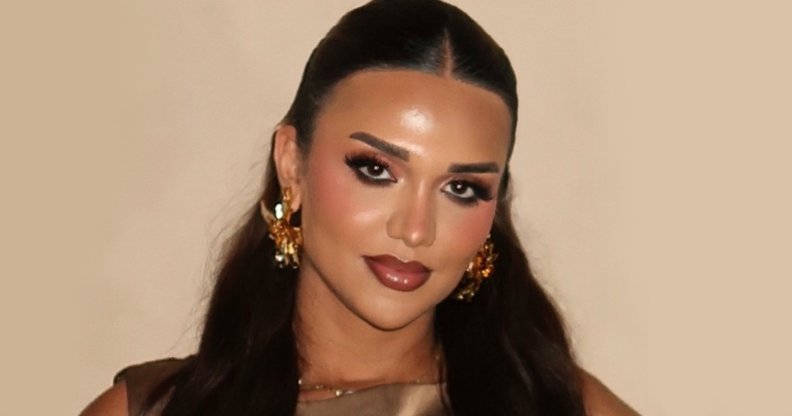
Faye Kingston (Supplied)
After arriving in the UK at 16, Faye Kingston spent years navigating shame, isolation and the fear of losing everything for being herself. In this first-person Pride essay, she reflects on transition, faith, family, love and why she became the role model she once desperately needed…
For years, I thought Pride belonged to other people. People who were free to be themselves. People who weren’t carrying a secret so heavy that it shaped every decision they made.
The truth is that I didn’t understand Pride until I understood shame.
I am a Brown immigrant, transgender Muslim woman. Growing up, I learned very quickly that being trans wasn’t simply viewed as different. It was viewed as something that brought shame. Not just to you, but to your family, your relatives and your wider community.
The message I absorbed was simple: hide who you are or prepare to lose everything.
Long before I had the language for it, I knew.
What followed were years of trying to suppress those feelings and convince myself they would disappear.
They never did.
“The hardest part wasn’t becoming myself. It was spending years pretending not to be.”
When I arrived in the UK at 16, I wasn’t simply starting a new life. I was trying to find out whether there was a version of the world where I was allowed to exist as myself.
But you don’t leave shame behind at the airport.
People often assume being trans is the difficult choice. For many of us, the difficult choice was spending years trying not to be.
“Nobody chooses rejection. Nobody chooses loneliness. Nobody chooses losing people they love. What we choose is honesty. What we choose is survival.”
My sister was already living in the UK when I arrived. Looking back now, I think she always knew, but knowing and saying something out loud are two very different things.
The reality wasn’t perfect. We drifted apart, and what followed became the darkest period of my life.
I was afraid of judgement. Afraid of disappointment. Afraid of changing the relationship we had always known.
My mental health deteriorated severely. I experienced profound loneliness and suicidal thoughts. There were days when I genuinely struggled to imagine a future for myself.
At my lowest point, friends became family.
At 16, I desperately needed a visible trans Muslim role model to tell me things would get better.
“I couldn’t find a trans Muslim role model. So, I survived long enough to become one.”
One of the greatest blessings in my life arrived when I met my husband online more than 11 years ago. At a time when I struggled to see any worth in myself, he reminded me that I deserved to occupy space.
For much of my life, I had internalised the lie that being a trans woman somehow made me less deserving of love, happiness and stability. My marriage shattered that lie. My greatest achievement isn’t my transition. It’s building a life I once thought was impossible.
Over the years, my sister and I found our way back to one another. Today, I am proud of who I am, and my sister is proud of me too.
When people see us laughing together online, they see two sisters. What I see is proof that families can grow, people can change and love can be stronger than fear.
Today, when a young Brown trans or queer person messages me to say they finally feel seen, I think about the version of me who spent years feeling invisible.
That is one of the reasons I wanted to celebrate Pride differently this year.
I recently collaborated with celebrity makeup artist Anna Lingis on a Pride photoshoot inspired by the colours of the trans flag.
For me, it wasn’t just about makeup.
It was about visibility.
For so long, I felt pressure to shrink myself. Standing in front of that camera felt like freedom.
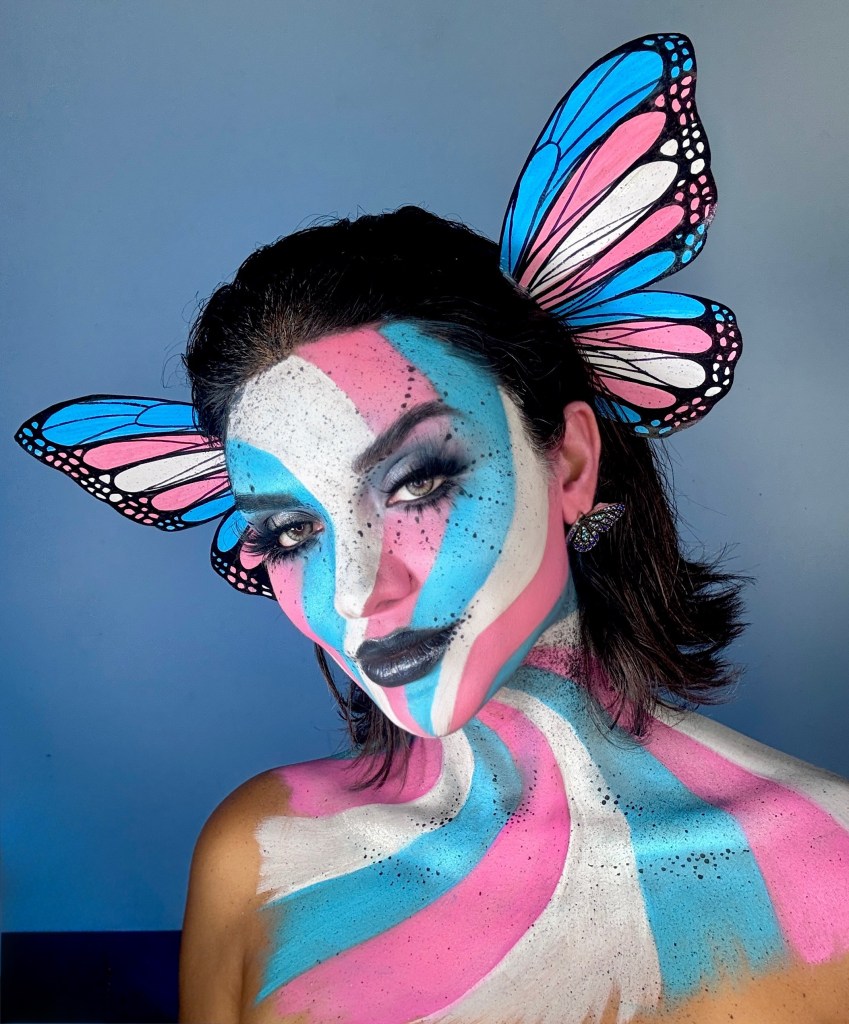
During the shoot, Anna said something that stayed with me: “True allyship isn’t passive. It means standing shoulder-to-shoulder with trans women, especially when the world tries to make them invisible. Faye’s beauty, faith and strength represent the very core of what Pride is about.”
Those words resonated deeply because Pride, for me, has never been about perfection.
Pride is the freedom to exist without shame.
“The shame was never mine. I was just carrying it for other people.”
For years, I worried about what relatives thought, what strangers thought and what people might say. Now I understand something much more important: their opinions cannot define my worth.
My relationship with Allah is deeply personal. It isn’t decided by strangers, headlines or comment sections.
“Nobody gets to tell me who I am in the eyes of my Creator.”
This Pride Month, I keep thinking about the young Brown trans or queer person reading this in secret. The one lying awake at night wondering if life will ever get better. The one terrified of losing their family. The one who feels caught between family, culture, faith and identity.
I know that feeling because I lived it.
If I could sit beside 16-year-old me today, I would tell her to hold on. I would tell her that one day she will stop surviving and start living. I would tell her that one day she will become the person she spent years desperately searching for.
And I want every young person reading this to know the same thing:
You are not broken.
You are not a contradiction.
You are not alone.
“I thought being myself would cost me everything. Instead, it gave me my life.”
Faye Kingston can be found on Instagram and TikTok at @fayekingstonx.
Share your thoughts! Let us know in the comments below, and remember to keep the conversation respectful.