Zelda Williams tells AI deepfake creators to ‘have some shame’ over fake Robin Williams clip
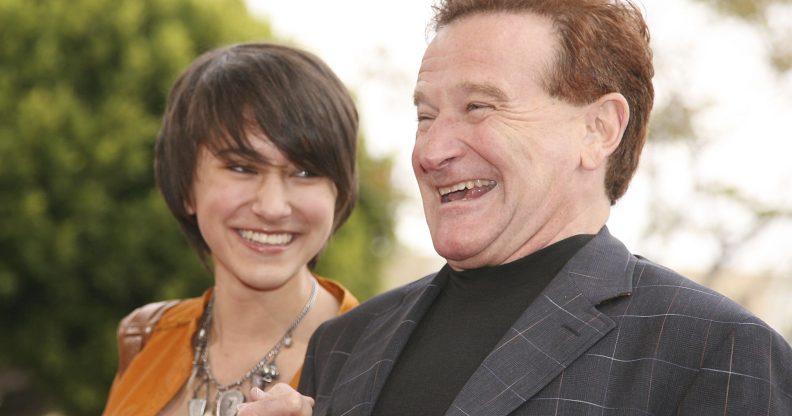
Zelda Williams with her late father, Robin Williams (Kevin Winter/Getty) (Getty Images)
Zelda Williams has urged people to stop circulating an AI-generated “private video” that purports to show her late father Robin Williams discussing conspiracies, telling the creator to “have some shame” and “let him rest” in a blunt Zelda Williams’ X post.
In the statement, Williams wrote: “That supposedly ‘private video’ of dad that I’ve been shown talking about conspiracies is clearly AI, and not even particularly convincing AI,” before adding: “Anyone who claims to be a fan who believes it clearly listened to his movies on mute because that voice is robotic and terrible.”
Addressing whoever made the clip, she continued: “That said, a human made a robot create it, and to you I say: leave him out of your delusional b******* and let him rest.” Williams added: “Just because he’s gone does not mean he’s now your puppet. Have some shame.”
Williams also criticised the platform where the clip has been spreading, describing X as a “cesspool” and saying it is “mostly bots and people willingly being duped by bots”.
Consent, legacy and a ‘private video’
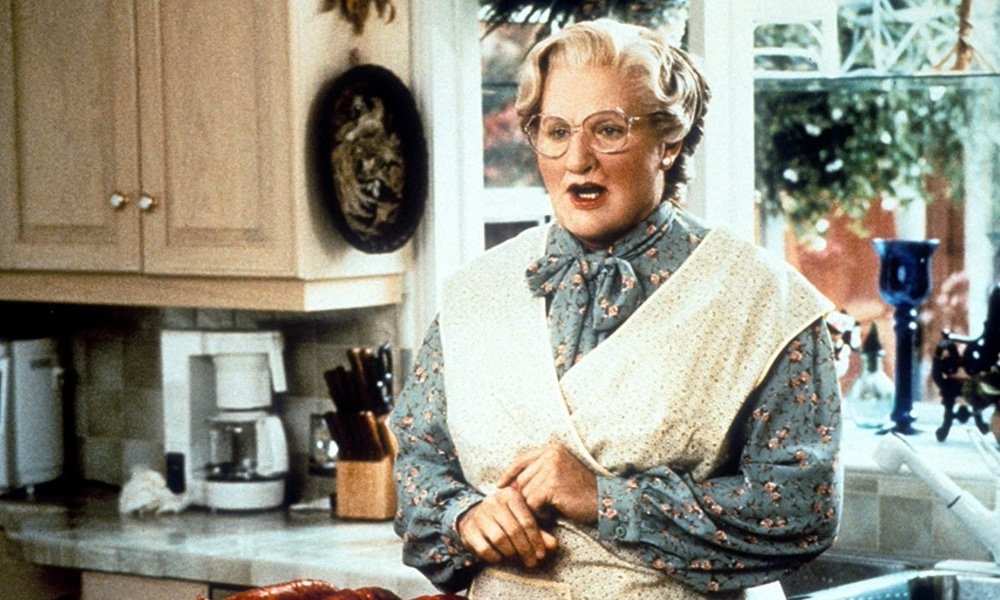
Robin Williams died in 2014 at the age of 63. Recently, his likeness has been repeatedly recreated using AI, with augmented videos circulating online.
Zelda Williams previously made a similar plea in October 2025, posting on Instagram: “Please, just stop sending me AI videos of Dad”.
Last month, Zelda and her brothers Zak and Cody revived Robin Williams’ Instagram account in an attempt to “fight back against rampant AI abuse of his voice and likeness”, as described in coverage of the move.
Zelda Williams’ wider stance on AI
Zelda Williams, 37, is an American actor, writer and director, and the daughter of Robin Williams and Marsha Garces Williams. She has acted in film and TV and has increasingly worked behind the camera as a filmmaker. She has been publicly vocal about the ethics of AI and performer consent, particularly in the wake of industry debates about digital likeness.
The spread of AI-generated misinformation has also been linked to real-world harm, including against marginalised groups, as explored in PinkNews’ reporting on how AI fatigue may strengthen trust in news media, but it won’t stop harm against minorities.