
What Katherine Ryan said about Victoria Beckham on BBC as complaint upheld

Victoria Beckham (Getty Images)
The BBC has replaced the iPlayer version of Have I Got News For You after its Executive Complaints Unit (ECU) upheld complaints about a joke that referred to Victoria Beckham as the C-word, ruling it was not editorially justified.
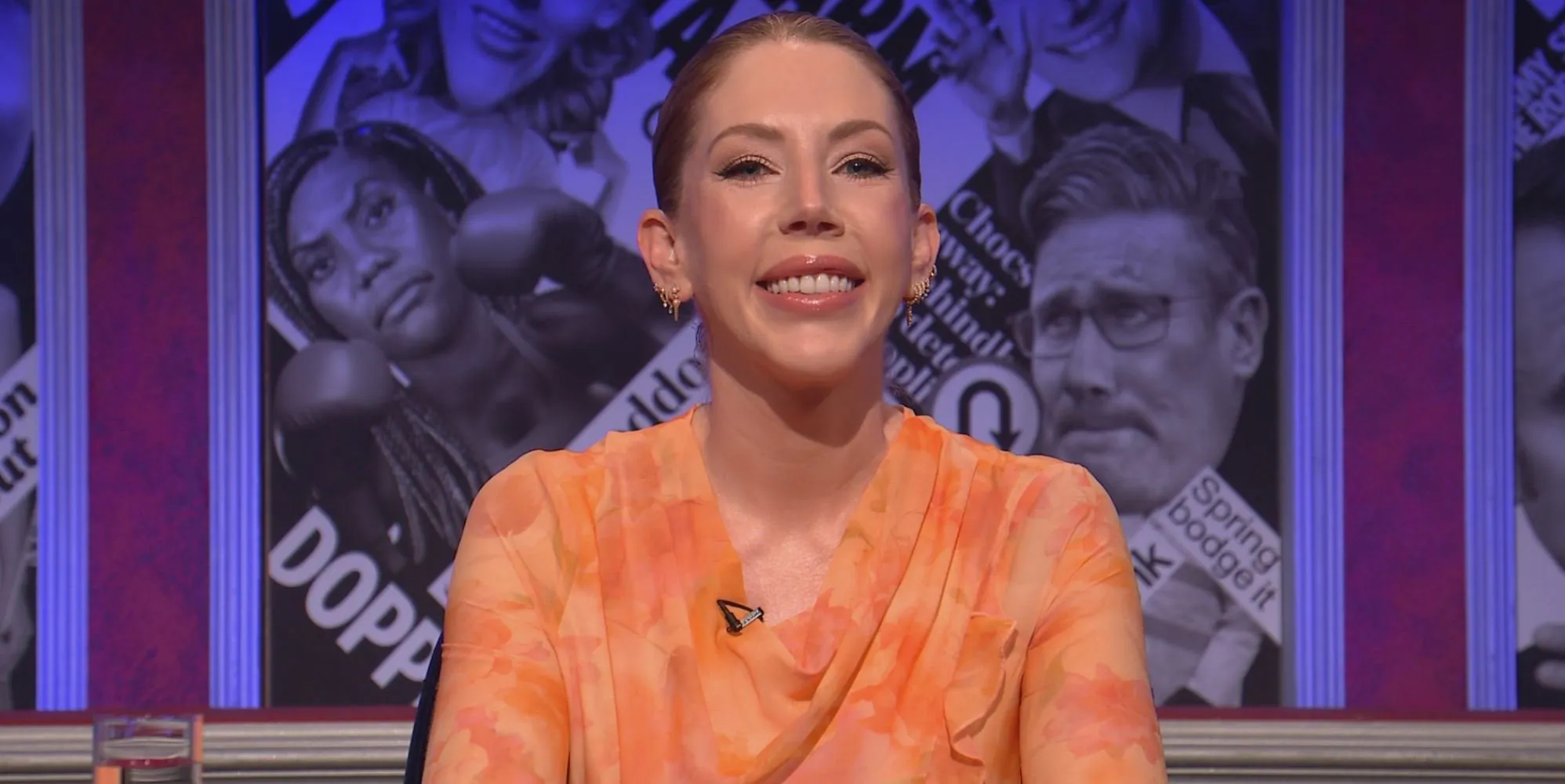
The decision relates to the 7 November episode of the BBC One satirical quiz show, hosted by comedian Katherine Ryan. Two viewers complained the remark was “gratuitously offensive”, and the BBC concluded there was no justification for a comment that “presented Victoria Beckham as equivalent to a particularly offensive word”.
During the programme, Ryan told the panellists: “I don’t know that we are allowed to broadcast the C-word, but you did reference Victoria Beckham earlier and we’ll allow that.”
The ECU said: “It is never our intention to offend our audience,” and confirmed the finding was reported to management. A new version of the programme with the incident edited out will replace the version previously available on iPlayer.
What the BBC ruled
In its published statement, the ECU said: “The relevant BBC Editorial Guidelines do not require programmes to avoid giving offence but do require that any offence should be editorially justified.”
It added: “In the ECU’s judgement, while the inclusion of the C-word in the programme derived editorial justification from David Beckham’s alleged use of it and the satirical reflections this prompted, there was no such justification for a comment which presented Victoria Beckham as equivalent to a particularly offensive word.”
Ryan’s remark was made while the panel discussed an email allegedly sent by David Beckham. The joke followed reference to a 2013 private email in which he allegedly used the word about the UK honours committee after he was not given a knighthood.
How BBC complaints are handled
The BBC is the UK’s main public service broadcaster, funded primarily by the TV licence fee, and is frequently scrutinised over impartiality and editorial standards. It operates the BBC Editorial Guidelines, which cover harm and offence, accuracy, and due impartiality across TV, radio and online output. BBC iPlayer is the corporation’s streaming platform, where programmes can be edited or replaced after transmission.
The ECU is the final stage for certain complaints, including cases about on-air language such as when it upheld a complaint against a Today presenter for calling trans women “males” in a 2024 ruling.

Share your thoughts! Let us know in the comments below, and remember to keep the conversation respectful.