Trinidad and Tobago gay sex ban overturned as UK court rules it unjustifiable
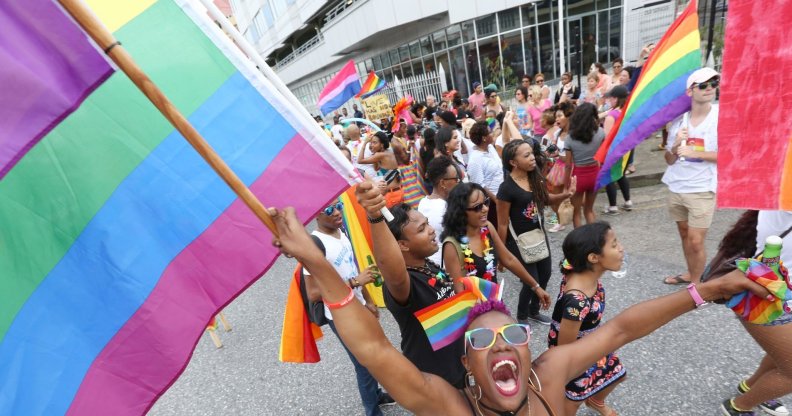
A UK court has overturned Trinidad And Tobago’s gay sex ban (Getty Images)
The UK-based Judicial Committee of the Privy Council has overturned Trinidad and Tobago’s colonial-era ban on homosexual sex in a final ruling, ending a long-running legal challenge brought by activist Jason Jones.
Delivering a unanimous decision on Tuesday, Judge Philip James Sales said: “Those laws cannot be regarded as reasonably justifiable in a society that has a proper respect for the rights and freedom of the individual.”
He added, as per The Independent: “The current understanding of the fundamental individual right to respect for private and family life is that it protects such a core part of human identity, as one’s sexual orientation and the sexual activities carried on in private between consenting adults to give expression to that identity,” concluding: “Laws which seek to criminalise such activities cannot be justified.”
What was the legal challenge about?
Jones brought the constitutional challenge in February 2017, arguing that colonial-era “buggery” legislation in Trinidad and Tobago violated the country’s constitution.
The statutes carried sentences of up to five years’ imprisonment, though they were not enforced in modern times. Campaigners argued the laws still conveyed a harmful message, even without prosecutions.
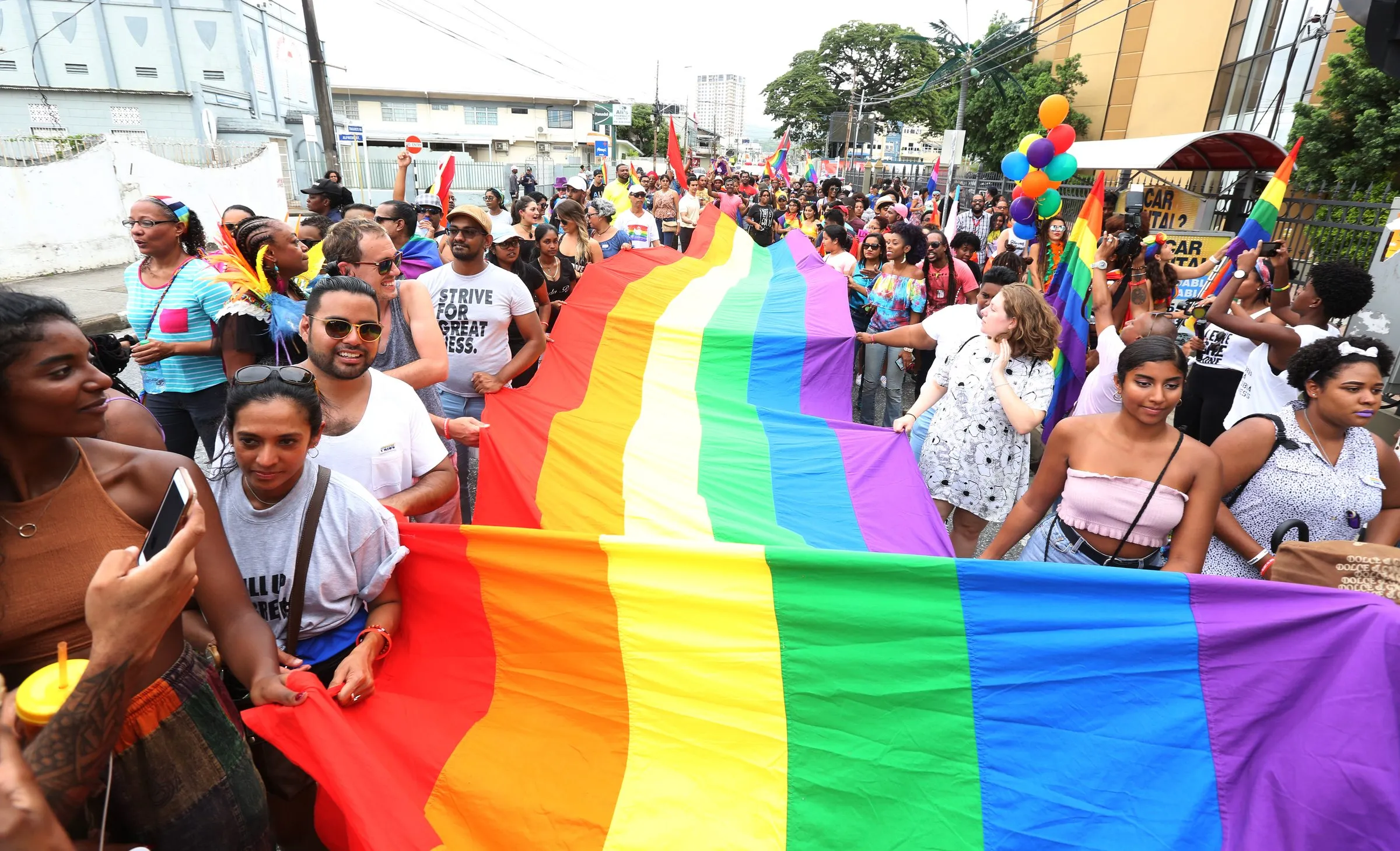
Jones said he had been out gay from the age of 16, and left Trinidad and Tobago in 1996 after what he described as homophobic prejudice and violent treatment.
How did the case reach the Privy Council?
Trinidad’s High Court said the statutes were unconstitutional in April 2018, but a domestic appellate court partially overturned that decision in March 2025, setting up the final appeal to the Privy Council. In April 2025, an appeals court decision recriminalised homosexuality in the country, after Jones challenged Sections 13 and 16 of the Sexual Offenses Act.
Opposition to the challenge included Trinidad and Tobago’s government, as well as the Council of Evangelical Churches and the Sanatan Dharma Maha Sabha, which is the nation’s primary Hindu organisation.
The Judicial Committee of the Privy Council is the UK’s highest appellate court for a number of Commonwealth jurisdictions and British Overseas Territories. It sits in London and is staffed by senior UK judges, and its decisions can have wide constitutional and human-rights implications in jurisdictions that retain it as a final court of appeal, including Trinidad and Tobago.

Share your thoughts! Let us know in the comments below, and remember to keep the conversation respectful.