
Trans powerlifter JayCee Cooper wins discrimination settlement after ban from sport
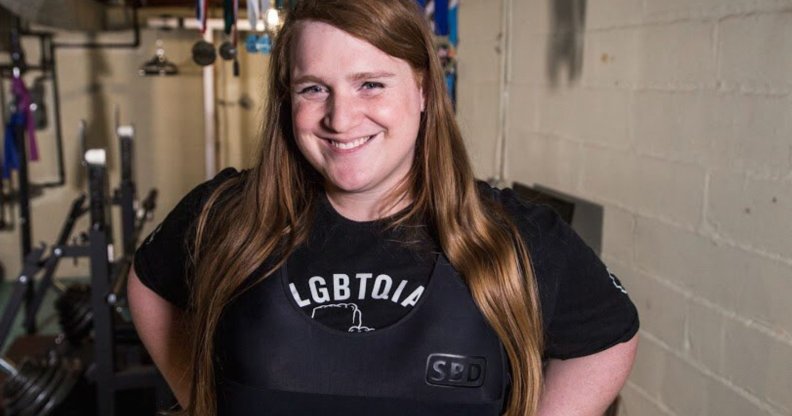
JayCee Cooper. (Image: Courtesy of Gender Justice)
A settlement has been finalised in trans powerlifter JayCee Cooper’s case against USA Powerlifting after the Minnesota Supreme Court ruled the organisation violated the Minnesota Human Rights Act by barring her from women’s competitions.
The settlement was announced on 28 April by the Legal Director at Gender Justice, which represented Cooper, as per CBS News. They said: “We celebrate this victory, but we also remain vigilant and ready to take action to ensure that all Minnesotans, including transgender Minnesotans, can participate in sports, schools, employment, and health care without facing discrimination because of who they are.”
The dispute started when Cooper, a transgender woman, was barred from entering two women’s powerlifting competitions back in 2018.
READ MORE: Six myths about trans athletes, debunked
She sued, arguing that it was discrimination under Minnesota law. USA Powerlifting claimed its approach was based on what it described as “strength advantages” related to sex assigned at birth, rather than Cooper being transgender.
Cooper is known publicly for challenging restrictions on trans women’s participation in women’s sport through litigation in Minnesota. Her case has been widely cited in US discussions about how state civil rights laws apply to sports organisations and membership bodies.
Supreme Court discrimination ruling
The Minnesota Supreme Court ruled in October 2025 that USA Powerlifting’s exclusion of transgender women from the women’s division amounted to discrimination in public accommodations under the Minnesota Human Rights Act. The court found that, at the time of the decision, USA Powerlifting had no formal written policy but did exclude transgender women from their competitions.
The court also sent another discrimination claim back to a lower court, saying USA Powerlifting needed to show its policy was reasonably necessary for its business mission, rather than based on stereotypes.
The exact details of the settlement have not been published.

Share your thoughts! Let us know in the comments below, and remember to keep the conversation respectful.