
Beyond the ‘fetish’: Why queer women find sanctuary in BL and M/M romance
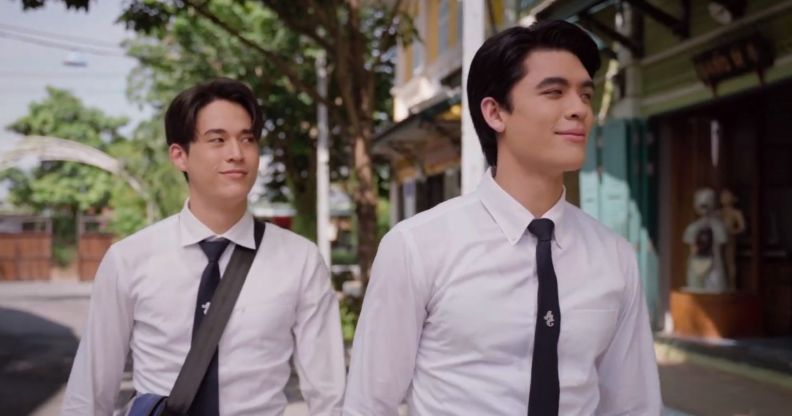
Joss Way-ar Sangngern and Gawin Caskey – aka JossGawin. (GMMTV)
Male/Male romances have been flooding our social media platforms – no complaining here. Back in the Tumblr days, it’s where many of us who were figuring out our preferences in boys, girls and gender non-conforming people found solace in happy queer representation beyond what we currently had.
There’s a question that follows queer women who read or watch M/M romance wherever we go: why?
Why are so many of us drawn to boys’ love (BL), to stories about men falling in love with each other? Why, critics ask, would queer women choose narratives that don’t centre us? And underlying that question is a familiar accusation that this interest is voyeuristic, even fetishistic. That framing isn’t just wrong, it completely misunderstands what BL is doing for queer women. BL isn’t about objectifying men. It’s about finding something much rarer in mainstream queer media: a space where love is allowed to be joyful, predictable, and safe.
In other words, it’s a sanctuary.
BL offers a different kind of intimacy. By centring two men, it creates distance from the expectations placed on women’s bodies: how we should look, act, desire, and be desired. There’s no need to measure ourselves against what we’re seeing, no anxiety about whether a character’s experience is “accurate” to our own lives. Instead, we’re free to engage with the emotional core of the story: vulnerability, longing, connection.
READ MORE: 13 essential Thai BL shows to add to your watch list, from My Golden Blood to Bed Friend
As a genre, it is unapologetically romantic. It leans into tropes, such as enemies to lovers, slow burns, dramatic confessions and yearning, not as clichés to be avoided, but as structures that guarantee emotional payoff. You know, going in, that the story is building towards love. That predictability is often dismissed as unserious. But for many queer viewers and readers, it functions as a form of self-care.
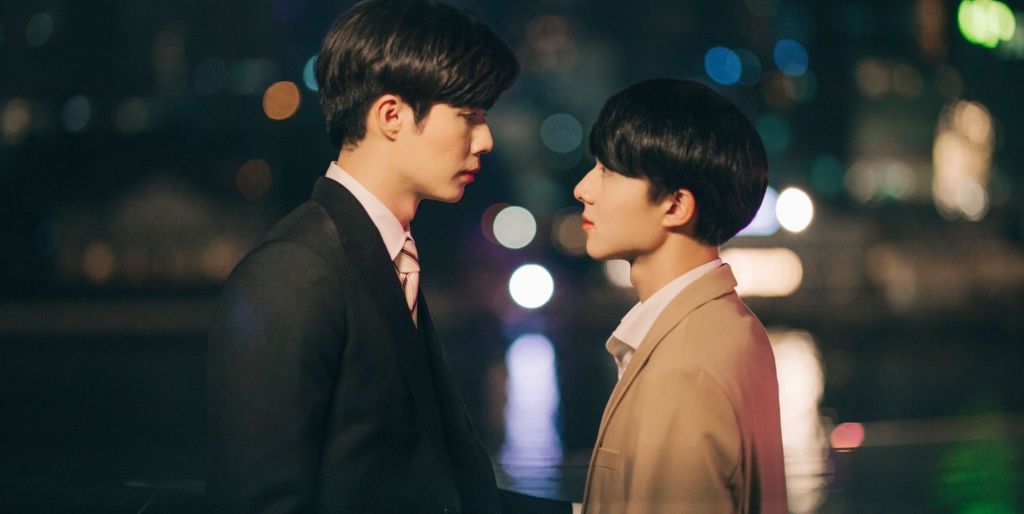
To watch two characters fall in love without the looming threat of punishment is quietly radical. To see queer relationships treated with the same narrative indulgence long afforded to straight romance where happiness is not just possible but expected is deeply affirming.
BL fandoms today are fiercely populated by queer, trans, and non-binary people as well as cisgender straight people. They are spaces of participation, not passive consumption, driven by fan art, fan fiction, discussion, and reinterpretation. They are, crucially, spaces that exist largely outside the traditional structures of the male gaze.
Rather than objectifying men in the way women have historically been objectified, BL often centres emotional reciprocity, softness, and mutual desire. It prioritises interiority over spectacle, feeling over performance. For queer women, engaging with these stories isn’t about displacing ourselves. It’s about stepping outside the frameworks that so often define and limit us.
What drew me in and what still does, is witnessing soft masculinity. Watching men feel their emotions, express vulnerability, and choose each other openly felt radical in a way I hadn’t seen elsewhere. It still does.
There’s also a kind of soft power in identifying as a fujoshi that often goes unacknowledged. What began as a dismissive label has evolved into a self-defined identity that signals not just taste, but cultural participation. To be a fujoshi is not to passively consume, but to actively shape culture to decide which stories thrive, which pairings gain traction, and which narratives cross borders.
That influence becomes especially visible in shipping culture, one of the most creative and misunderstood aspects of BL fandom. Shipping isn’t about blurring fiction and reality or making demands of real people, it’s about imagination, possibility, and collective storytelling. It allows fans to explore emotional dynamics that mainstream media often leaves underdeveloped or unexplored.
I’ve found myself, like many others, deeply invested in pairings both on and off screen, following chemistry, interviews, and those small, unscripted moments that fans learn to read closely. Shipping Joss Way-Ar Sangngern and Gawin Caskey aka JossGawin, for example, isn’t about projecting a fixed narrative onto them as individuals, but about engaging with the dynamic they create together: the ease, the humour, the softness that feels unscripted even within highly mediated spaces.
It lives in glances, in body language, in the way fans collectively notice and amplify moments that might otherwise pass unnoticed. What makes pairings such as JossGawin, MileApo, EarthMix and many others compelling isn’t the need for it to be “real”, but the shared recognition of emotional possibility. It’s rooted in the same desire that draws us to BL in the first place: to see connection, tenderness, and queer potential where it isn’t always explicitly given.
This is where the soft power of fujoshi culture becomes tangible. Through shipping, discussion, and fan works, we don’t just respond to the media – we expand it. We create demand, shape discourse, and ultimately influence what gets made next.
BL became a global phenomenon originating from Yaoi – a Japanese term referring to manga depicting homoerotic romances between men, with Thai dramas drawing in audiences with blueprints such as SOTUS (2016), Together With Me (2017), Dark Blue Kiss (2019) and TharnType (2019). Korean and Japanese BL dramas soon gained momentum with Where Your Eyes Linger (2020).
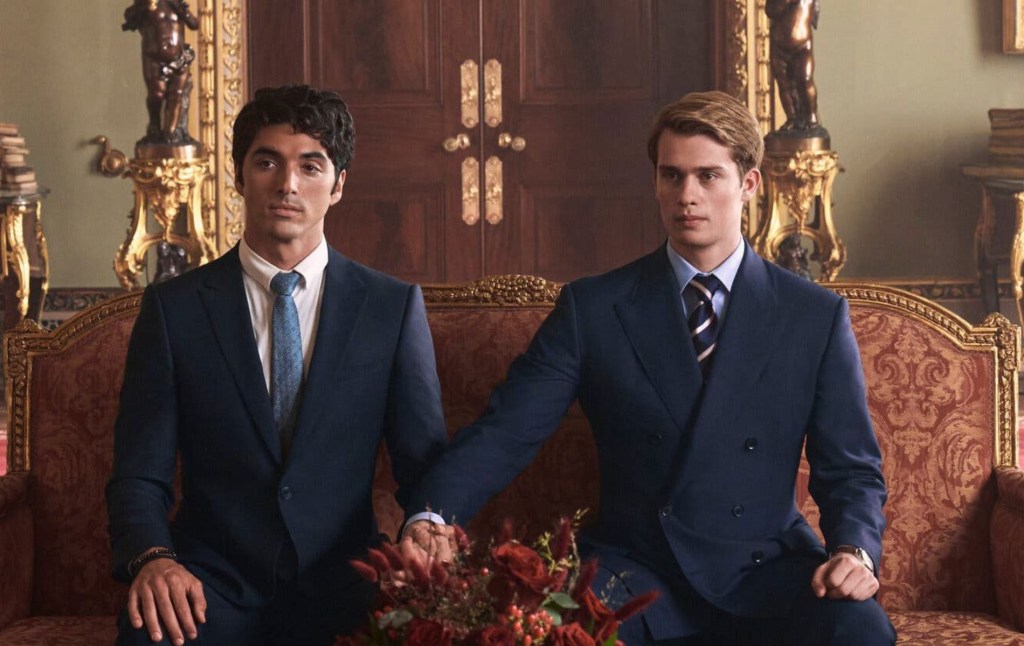
Long before Western hits like Heartstopper, Young Royals, or Red, White & Royal Blue, Asian BL was already functioning as a sanctuary for queer joy. The difference is that now, the rest of the world is finally paying attention.
The instinct to question queer women’s relationship with BL comes, perhaps, from a place of protectiveness. Conversations about representation and appropriation matter. But when those conversations flatten complex communities into simple assumptions, they risk missing the bigger picture.
BL is not perfect. No genre is. But reducing it to fetishisation ignores the ways it functions as a space of exploration, comfort, and connection for many of the people who engage with it.
For queer women, it offers something both simple and profound: the chance to experience love stories without fear. To enjoy romance without bracing for loss. To exist, for a while, in a world where queer happiness is not exceptional, but expected.
Share your thoughts! Let us know in the comments below, and remember to keep the conversation respectful.