
Is Bulgaria safe for LGBTQ+ tourists as country to host Eurovision 2027
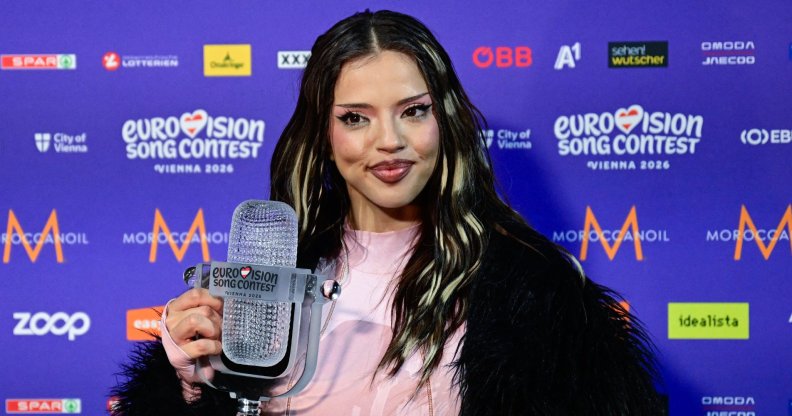
Bulgaria’s Dara won the Eurovision Song Contest 2026 (Getty Images)
Bulgaria looks set to host the Eurovision Song Contest in 2027, after Dara won this year’s show with “Bangaranga”.
The country stormed the show, making their return after a three-year absence well worth it. Now, all eyes will be looking at which city will host, and Milena Milotinova, the Director General of Bulgarian broadcaster BNT, suggested it would be the capital, saying during the winner’s press conference: “I want to say to you, ‘Welcome to Sofia next year!'”
Eurovision is always a show to remember, with its camp concepts, message of love (which some argue has gone due to Israel being allowed to compete) and diverse list of performers. And that’s not including the fans, who travel from everywhere in Europe and further afield to watch the show and feel the atmosphere all week.
So while fans get ready to book flights and hotels, we’ve taken a look at the state of LGBTQ+ rights in Bulgaria, and whether it’s generally safe to travel there.
LGBTQ+ rights in Bulgaria
In ILGA-Europe’s Rainbow Map for 2026, which looks at the best and worst places for LGBTQ+ people to live in Europe, Bulgaria came 40th out of 49 countries, with a score of just 20%.
Same-sex relationships are legal in the country, and sexual orientation-based discrimination has been banned since 2004. Since July 2023, heavier penalties for hate crimes based on the victim’s sexual orientation were also introduced.

As for trans rights, the country has a mixed history. While trans people have been able to legally change their gender in the past, a 2023 Supreme Court ruling said “the only meaning of the term sex should be its biological”.
And in 2024, an education law was introduced that prohibits “propaganda, promotion, or incitement in any way, directly or indirectly, in the education system of ideas and views related to non-traditional sexual orientation and/or gender identity other than the biological one”.
“Non-traditional sexual orientation” is defined as that “contrary to Bulgaria’s legal concept of emotional, romantic, sexual or sensual attraction between person of opposite sexes”.
So while Eurovision isn’t necessarily educational, it’s remains to be seen whether a performance like Olly Alexander’s in 2024 would be allowed to go ahead.
Is it safe for LGBTQ+ people to travel to Bulgaria?
While same-sex activity is not illegal, the UK Government’s travel advice says “the LGBT+ community generally keeps a low profile”.
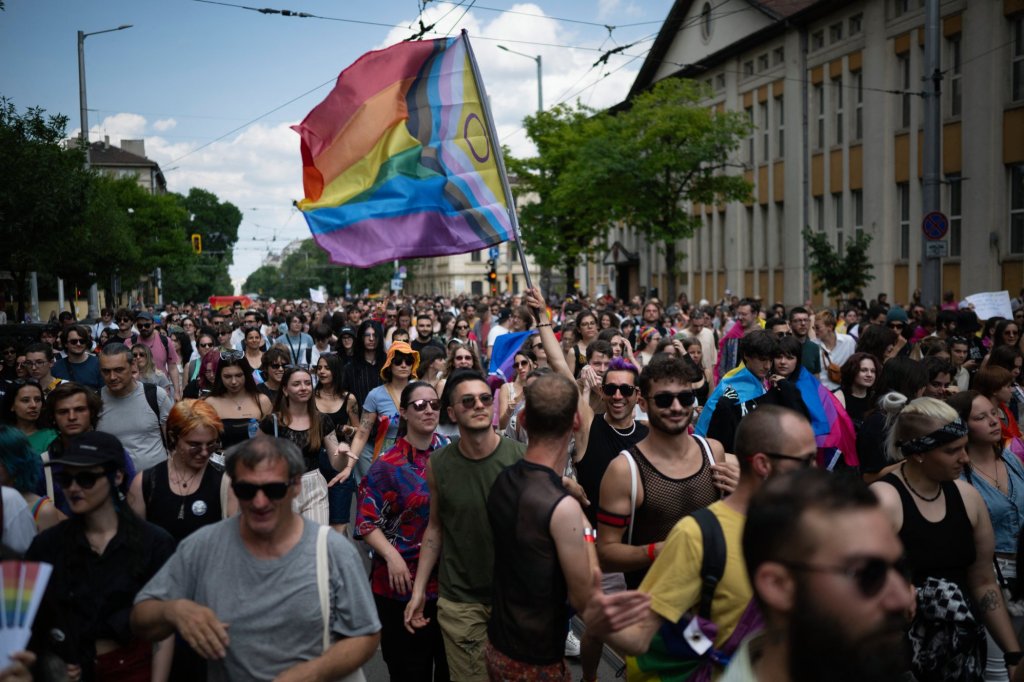
There are some gay venues in Sofia, which also holds an annual pride parade. Though there is a warning that some “verbal abuse and threatening behaviour” was directed at people at Sofia Pride, including to foreign visitors.
Outside of the capital, views are more conservative.
Share your thoughts! Let us know in the comments below, and remember to keep the conversation respectful.