
Sexually transmitted diarrhoea spreading rapidly among gay men in UK

Antibiotic-resistant Shigella is spreading faster among men who have sex with other men (Getty Images, stock)
Variants of Shigella, which can cause bloody or prolonged diarrhoea, are causing more disease and growing more antibiotic-resistant, a new study from the University of Cambridge has found.
Research shows that, between 2015 and 2020, sexually transmitted forms of Shigella rose 15 percent faster annually than variants picked up from other routes, such as travelling or from food.
There was 2,560 recorded cases last year of Shigella which may have come about due to sexual contact, according to the UK Health Security Agency (UKHSA).
Shigella, which causes dysentery, usually affects children in low or middle-income countries, however it is now “endemic” in some communities of gay, bisexual and other men who have sex with men (GBMSM).
Cambridge’s study, published in the journal The Lancet Infectious Diseases, used methods used in the Covid-19 pandemic to track variants through DNA, looking for bacteria rather than a virus.
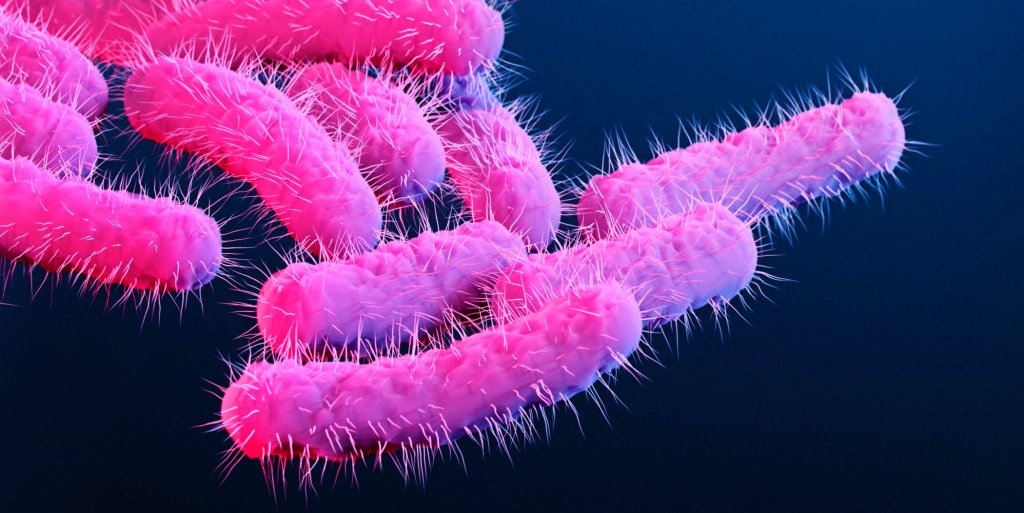
They discovered that Shigella that is sexually transmitted spreads faster and is growing resistant to medication much quicker than other STI strains.
Over two-and-a-half years, sexually transmitted strains of Shigella were found to spread more than twice as fast in the UK. There was an average of 117km distance between related strains, whereas non sexually transmitted strains had an average distance of 46km.
At the end of the study, more than 70 percent of the sexually transmitted strains of Shigella resisted at least one relevant antibiotic. Of non-sexually transmitted strains, the figure was 40 percent, and it was 49 percent for travel-related instances.
Epidemiologists from the University of Cambridge say the data highlights a “critical gap in public health management”, as the advice for dealing with Shigella – handwashing and food hygiene – does little to combat sexual transmission of it.
Professor Kate Baker, senior author of the study from Cambridge’s Department of Genetics, said: “Many men who have sex with men are unaware of the serious and increasing risk posed by sexually transmitted Shigella.”
Baker added: “Sexual infection is now a sustained part of Shigella transmission in the UK. It is vital that this message reaches the communities most affected, so we can help to prevent the spread.
“Sexually transmissible shigellosis needs to be treated as a distinct public health threat, requiring different surveillance, prevention, and treatment strategies.”
Previous research conducted by Baker and others suggests that up to one third of patients who contract sexually transmitted Shigella end up in hospital, for an average of four to five days. On top of this, up to two thirds of GBMSM with Shigella are also found to have other STIs, including HIV.
London, Brighton and Manchester were among major cities where sexually transmitted forms of Shigella were found in networks of GBMSM, who had a high number of sexual encounters.

And while the infection does not only affect GBMSM, it has not been found that an increased rate has been found among other groups of people.
How does Shigella spread?
Sexually transmitted forms of Shigella usually come from direct or indirect contact between the mouth and anus.
It is caused by tiny amounts of faecal matter which contains Shigella being transmitted between partners, and is highly contagious.
For comparison, Salmonella needs more than 1,000 bacterial organisms to spread, while Shigella needs just 10.
Researchers estimate now that more than half of the Shigella infections in the UK are spread through sexual contact, 30 percent are linked to travel, and the rest are due to infrequent localised outbreaks among young children.
How was the data collected?
In collaboration with the UKHSA, the study looked at 3,514 examples of Shigella cases in the UK between 2004 and 2020, from patients over 16.
Thirty-four percent of those were men who have sex with other men. Thirty-six percent were cases not associated with GBMSM, and a further 30 percent was cases brought into the UK from travel abroad.
It was noted that sexually transmitted infections rose dramatically around 2010, with researchers believing it may be due to online platforms such as Grindr, a rise in mouth-to-anus activity and chemsex parties.
Marc Tweed, of the Terrence Higgins Trust in Brighton, said: “Studies have linked transmission with dense sexual networks, multiple partners, sexualised drug use, PrEP use and concurrent sexually transmitted infections. But these are associations, not proof that any one behaviour alone is driving the increase.
“If you think you may have Shigella, you should contact your local sexual health clinic to book an appointment.”
Baker added: “Some advice is obvious, but needs hammering home. If you start to feel unwell, or are recently recovering from a scary bout of diarrhoea, do not engage in sexual activity until two weeks after you’re fully recovered, mention your sexual history to your doctor if you seek medical care, and ask about having a full sexual health screen.”
How are STIs resisting medication?
The latest study suggests antibiotic-resistant strains of Shigella have grown 71 percent faster than those which can be treated by medication, while just 42 percent of strains not spread through sexual contact have become antibiotic resistant.
Baker said: “This isn’t just one form of sexually transmissible diarrhoea. This is multiple overlapping variants emerging that are all quickly becoming resistant to the drugs we use to treat them. It’s highly likely that if you contracted your Shigella through sex you require different treatment to someone who contracted it through travel.”
Baker went on: “Our evidence suggests that the variants of Shigella transmitting in sexual networks were actually getting resistant against treatments for other STIs, like gonorrhoea, so people need to remember that when they’re taking antibiotics they’re treating their whole body.”
“This disease has gone from being relatively treatable with off-the-shelf drugs to being close to untreatable over the course of the last decade or so,” Baker added.
Share your thoughts! Let us know in the comments below, and remember to keep the conversation respectful.