
15 the gay and bisexual royals that you aren’t taught about in school
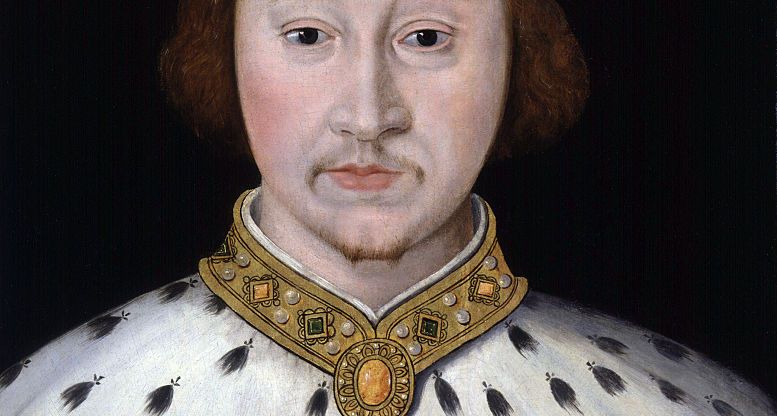
King Richard II (Photo by VCG Wilson/Corbis via Getty Images)
King Richard II (Photo by VCG Wilson/Corbis via Getty Images) (Image: Getty Images)
For hundreds of years, monarchies around the world have had gay and bisexual royals, shrouded in varying degrees of secrecy and historical debate.
Despite a member of the British Royal Family rarely having come out as gay or bisexual, many well-known figures lived relatively openly with same-sex partners or lovers.
From William III to Henry VIII to Elizabeth I, Britain has a rich history of LGBTQ+ royals you might not have known about – and there are plenty of other examples from around the world too.
Queen Anne of Great Britain (1655-1714)

Anne was most likely bisexual. Known for being on the thrown during England and Scotland’s formal union, she also embarked on a passionate affair with Sarah Churchill, the wife of the Duke of Marlborough.
The two were the embodiment of ‘opposites attract’. Sarah was beautiful and assertive and Anne plain and reserved.
The two fell in and out of love until Anne dumped Sarah due to her argumentative attitudes, often disagreeing with the queen.
Queen Anne was famously portrayed by Olivia Colman in the Oscar-winning 2018 film The Favourite, which also starred Rachel Weisz at Sarah Churchill.
King Edward II of England (1284-1327)

In the 1995 Hollywood blockbuster, Braveheart, a young Prince Edward (played by Peter Hanly) was portrayed as camp and correspondingly incompetent.
While not the most pro-LGBTQ+ depiction, King Edward II is one of more famously ‘gay’ monarchs. He was ‘wedded brothers’ with Piers Gaveston, the Earl of Cornwall.
The friendship agreement has often been likened to a church-approved same-sex partnership by historians. The Earl was often given special access to the King, much to the anger of nobles.
Edward was deposed in 1327 and is thought to have died shortly afterwards. Rumours he was murdered with a red-hot poker that was inserted into his rectum swirled for centuries, possibly linked to his homosexuality, but most historians now dismiss this claim.
Catherine the Great, Empress of Russia, also known as Catherine II of Russia (1729-1766)

Catherine II is as famous for her sexual appetite as she is her successes as one of the countries most successful leaders.
Her ladies-in-waiting were appointed to ensure Catherine was never disappointed by her suitors.
Intimidated by such a strong female leader, many of her enemies began rumours about the legendary monarch, claiming she took female lovers and died whilst having sex with a horse.
Al-Hakam II, Caliph of Córdoba (961-976AD)
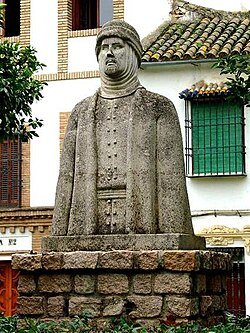
Al-Hakam II was the gay Muslim ruler of Al-Andalus (now Spain), a rarity for being an out LGBTQ+ royal at the time.
He openly kept a male harem, who he took everywhere with him during his reign.
Carrying the legacy of his father, his son Hisham II did the very same.
Lord Ivar Mountbatten (1963-present)
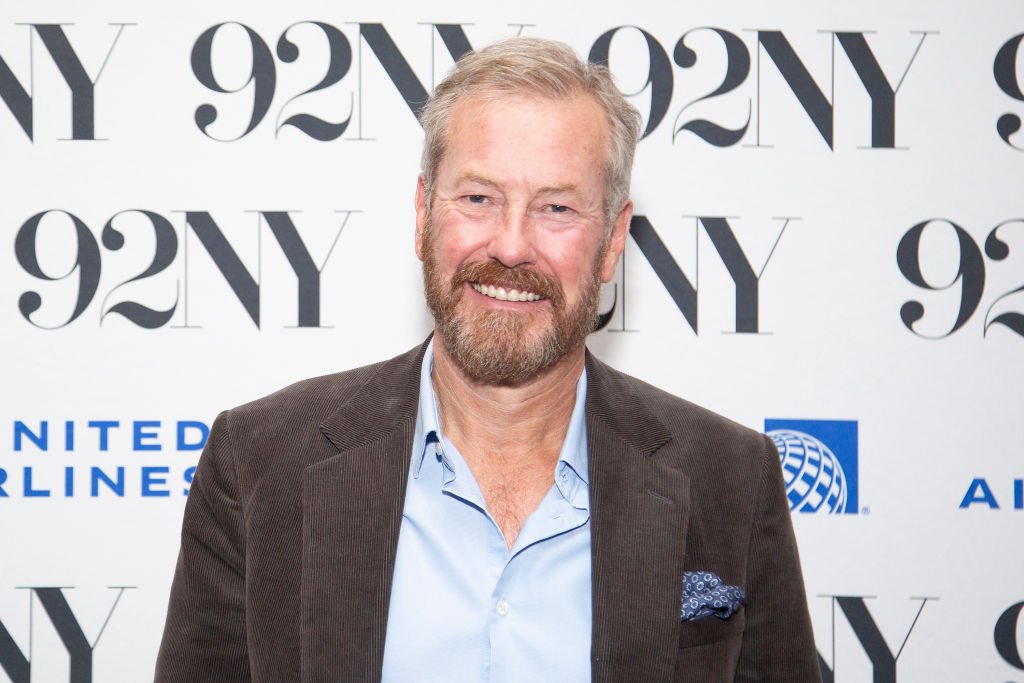
Lord Ivar Mountbatten (pictured above right) became the first member of the British Royal Family to come out publicly as gay after revealing he was dating James Coyle (above left) in 2016, breaking new ground for gay royals.
Lord Ivar Mountbatten is a second cousin of King Charles III the great, great, great grandson of Queen Victoria and the great-nephew of Earl Mountbatten of Burma.
In 2018, he came the first member of the monarch’s extended family to have a same-sex wedding when he married Coyle.
He was previously married to Penelope Thompson, with whom he shares three children.
Princess Isabella of Parma, Archduchess of Austria (1741-1763)

The princess was deeply in love with her husband’s sister, Archduchess Maria Christina.
Living a double life, the two spent so much time together they earned the comparison with Orpheus and Eurydice.
During the few years Isabella and Christina knew each other, they exchanged 200 letters expressing their affection for each other.
King Richard II of England (1377-1400)

Richard was just 10 years old when he became king. This meant leading nobles ran the country on his behalf.
But when old enough to rule for himself, he surrounded himself with nobles such as Robert de Vere, the Earl of Oxford. The two were allegedly in a relationship.
When de Vere died, Richard ordered for his coffin to be opened. He kissed his friend’s hand and reportedly gazed at his face one final time before the burial.
Charles I of Württemberg (1823-1891)
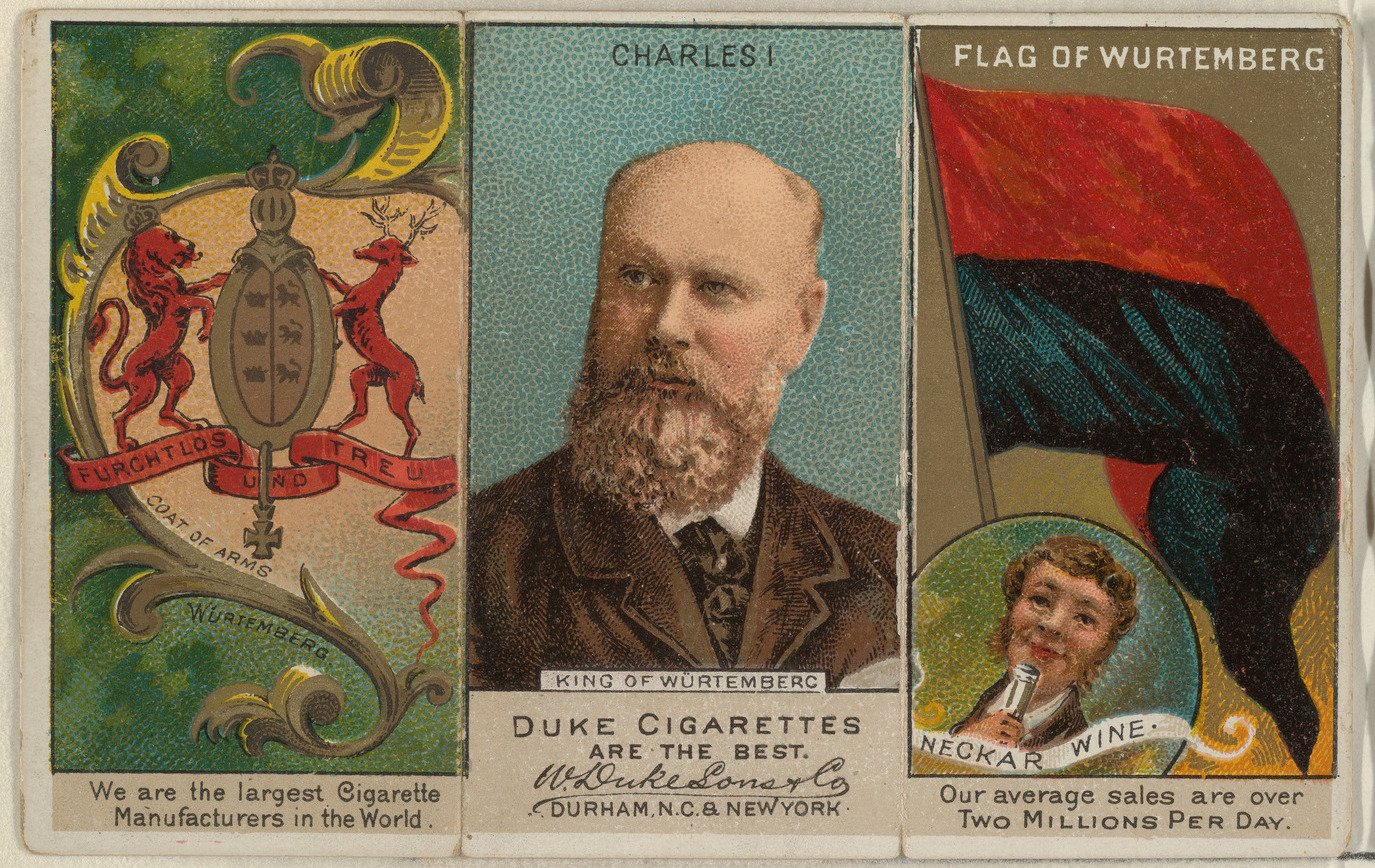
Charles was King of Württemberg (now part of Germany), from 25 June 1864 until his death in 1891.
His most notorious affair was with the American Charles Woodcock – the pair even appeared in public dressed identically.
Following Woodcock, in 1881 the monarch asked Baron von Jackson to join his household as a “confidential friend and companion.”
King James VI of Scotland, also known as King James I of England and Ireland (1566-1625)

James was King of Scotland as James VI from 24 July 1567 and King of England and Ireland as James I after the union of the Scottish and English crowns on 24 March 1603.
But the union of two crowns wasn’t the only union he possibly oversaw.
Historians have long speculated that he was in a relationship with Robert Carr, who he made Earl of Somerset.
King William II of England (1056-1100)

Otherwise known as William Rufus after his red face, William II filled his courts with attractive young men.
Never marrying and without children, he instead dressed his courtiers in pointed shoes and ordered they grow out their hair, choosing to promote based on performance in bed, rather than talent.
After being apparently assassinated, his successor, Henry I, forced his courtiers to trim their hair. William’s legacy was cut short, quite literally.
Ludwig II of Bavaria (1845-1886)

Ludwig never married, nor had any known mistresses.
It is known from his diary, private letters, and other surviving personal documents, that he had strong same-sex desires.
He struggled all his life to suppress his sexual desires and remain true to his Roman Catholic faith.
Prince Manvendra Singh Gohil (1965-present)

Prince Manvendra Singh Gohil is an out gay Indian prince – though the Indian government ‘de-recognised’ the country’s royal princes in 1971.
Manavendra is the son and probable heir of the Maharaja of Rajpipla in Gujarat and made headlines when he came out in 2006, becoming the first modern-day out gay royal.
He runs The Lakshya Trust, a public charity servicing GLBT and HIV/AIDS communities.
King Richard I of England, also known as Richard the Lionheart (1189-1199)

Despite spending just six months of his ten-year reign in the country, Richard I is one of England’s most iconic kings.
When he was Duke of Aquitaine, he revolted against his father, Henry II.
For the sake of “diplomacy”, he allied with Philip II of France and “ate every day at the same table and from the same dish, and at night their beds did not separate them,” wrote Roger of Hovden, a 12-century chronicler who knew Richard personally.
Queen Elizabeth I of England and Ireland (1533-1603)

Like Catherine the Great and her own father, rumours have surrounded the powerful Elizabeth’s sexuality for centuries.
Some historians suggest the ‘Virgin Queen’ was actually a lesbian, which would make her one of the most high-profile LGBTQ+ royals to date.
However, despite never marrying, the queen had a series of male suitors and would insist she was married to her kingdom and subjects.
Emperor Ai of Han (27-1BC)
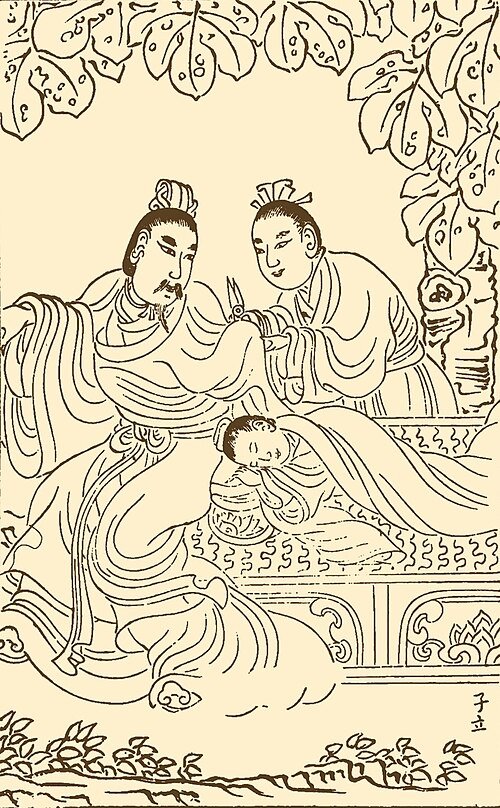
Emperor Ai of Han was an emperor of the Chinese Han Dynasty. He ascended the throne when he was 20 and reigned from 7 to 1 BC.

Late in his reign, he entered a relationship with court official Dong Xian, who benefited greatly from their same-sex love affair.