
Australia adds sexuality and gender identity to census for first time ever
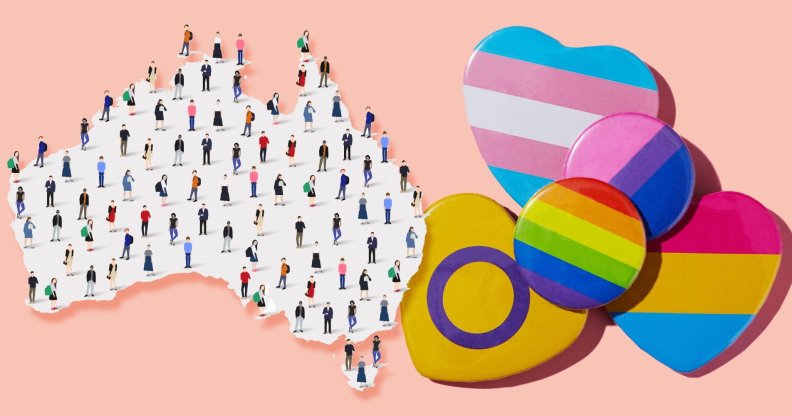
Australia’s census will include questions on gender and sexuality (Image: Getty Images)
Sexual orientation and gender identity questions are included on Australia’s census for the first time, a major shift in how the country counts its population and understands LGBTQ+ communities.
The change was reported on 11 August, ahead of Australia’s next national population and housing count that same day. The inclusion means sexuality will be captured in official statistics collected at a national level.
The 2026 census in Australia is held under the country’s centre-left Labor Party.
The new questions were dropped temporarily two years ago as they were deemed “divisive”. Those aged 16 or older will be able to answer them, and they are both optional.
Those filling out the census about their orientation can answer straight, gay, bisexual, don’t knot, prefer not to answer, or write in their own term.
As for gender, those who identify with a gender that differs from their sex at birth can answer man, woman, non-binary, prefer not to answer, or another written term.
For LGBTQ+ Australians, being counted in national data can shape how need is identified across areas such as healthcare, mental health support, education and community provision. It can also influence the evidence used by governments and service providers when assessing inequality and planning programmes.
Chief statistician of the Australian Bureau of Statistics (ABS), David Gruen, told the Australian Broadcasting Corp: “For a proportion of the population … collecting this information is very important. But for other people, it’s information that they simply don’t want to share.”
The ‘divisive’ debate
Debate over whether identity information should be collected in the census has been running for years, including concerns about participation, privacy and trust.
They were almost added to the 2024 census, however Deputy Prime Minister Richard Marles said at the time: “We do not want to open up divisive debates in the community now.”
However, Prime Minister Anthony Albanese confirmed they would be added to the next census.
Adding sexual orientation signals a move towards capturing a clearer picture of LGBTQ+ lives in Australia’s most comprehensive national dataset, even as identity questions can become politically charged.
Why census data matters
Australia’s census is run by the ABS and is used to inform government planning, electoral boundaries, and service provision. Census questions can affect how policymakers measure inequality and allocate resources across health, housing, education, and community services.
Internationally, adding sexual orientation questions is often framed as improving visibility for LGBTQ+ populations, while also raising privacy and trust considerations. Australia has had major LGBTQ+ policy milestones in recent years, including marriage equality (2017) and ongoing debates about anti-discrimination protections and religious exemptions.
Liz Allen, who is a demographer at the Australian National University, told InDaily: “This moment in time is monumental, not necessarily just for the data, but more so for the signal that it sends to individuals across Australia that we all count, we all matter.”
It’s reported that almost 28million people in Australia will take part in the census – including visitors and temporary visa holders. It is mandatory to fill it out, and those who refuse face a fine of up to A$364 (£190) for each day they are late.

Share your thoughts! Let us know in the comments below, and remember to keep the conversation respectful.