
MPs to take action over UK’s ‘dismal’ Eurovision record
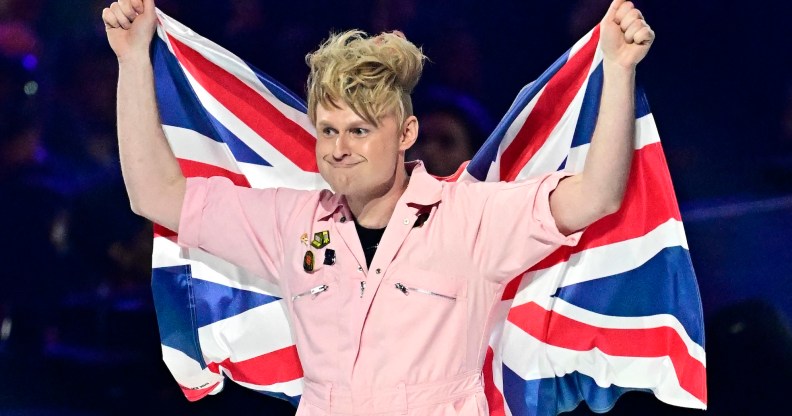
English musician Sam Battle arrives on stage for the dress rehearsal for the grand final of the Eurovision Song Contest 2026 (ESC) at Wiener Stadthalle in Vienna, Austria on May 15, 2026. (Photo by Tobias SCHWARZ / AFP)
After years of disappointment, MPs have vowed to get to the bottom of just why the UK performs so badly in the Eurovision Song Contest each year.
After yet another last-place finish for the UK in 2026, with Look Mum No Computer’s divisive “Eins, Zwei, Drei”, the Digital, Culture, Media and Sport committee is set to examine the UK’s Eurovision performance and selection process for artists “over the coming months”.
The UK was a regular mainstay in the top 10 for the first four decades of the competition, racking up five wins between 1967 and 1997. But since 2000, the UK has only reached the top 10 three times – most recently in 2022, when Sam Ryder finished in second place with “Space Man”, narrowly losing out to Ukraine.
The UK recorded last place finishes in 2003, 2008, 2010, 2019, 2021 and 2026, with three of those having the added humiliation of scoring ‘Nul Points’.
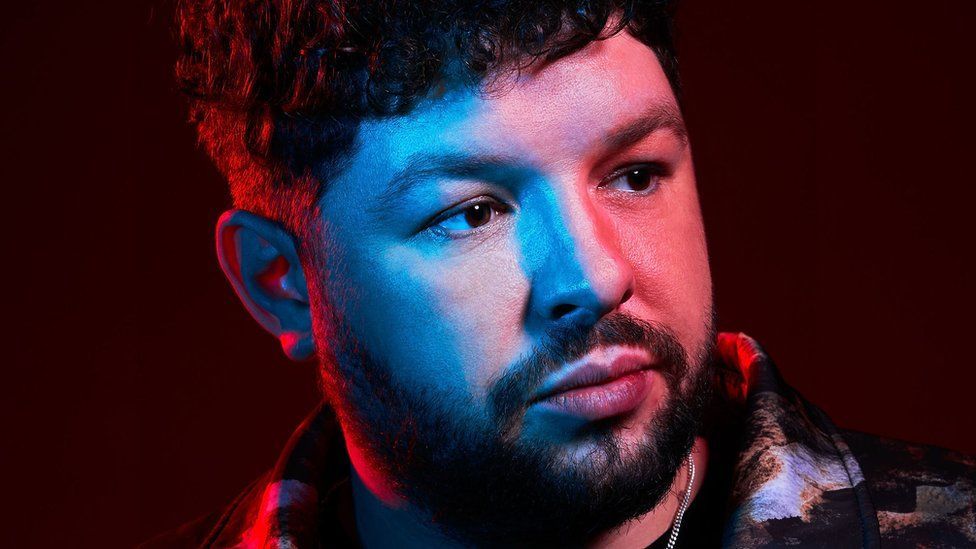
The UK’s last win came almost 30 years ago, in 1997, when Katrina and the Waves lifted the trophy with their entry “Love Shine a Light.”
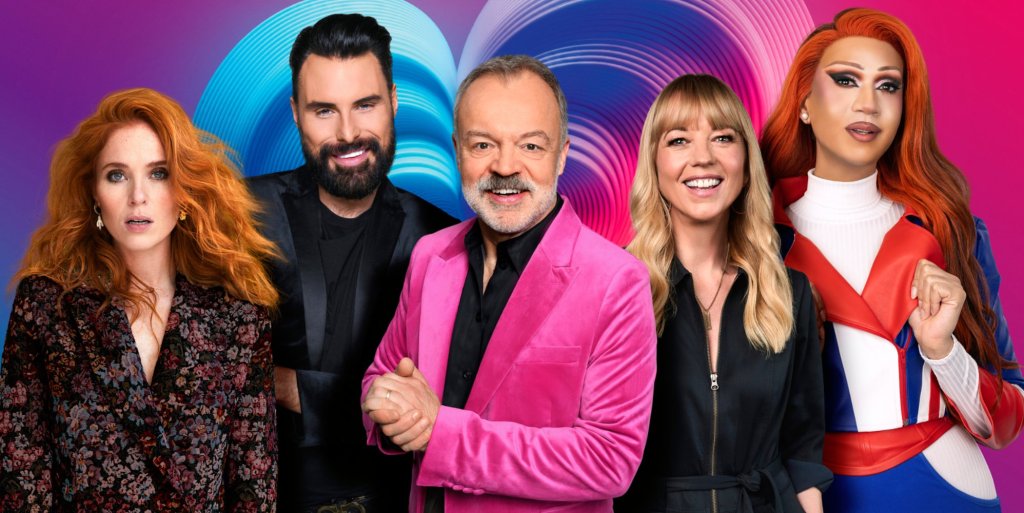
Currently, acts are selected by the BBC and a panel of music industry experts. Previously a public vote and competition was held to determine who would be heading to the contest, but this format has been used just twice since 2011.
Dame Dinenage told the BBC MPs would look at how acts had been selected in recent years – a process currently determined by the BBC, broadcaster responsible for the UK’s Eurovision representation.
“Clearly there have been different approaches tried over the years,” she said. “But who decides who makes it into that shortlist? I think all these things are worth looking at.”
She added: “We need to look at what the process is and what other processes have been tried.”
The Eurovision Song Contest 2027 is set to take place in Burgas, Bulgaria, from 11-15 May next year.
Ireland will not be represented for a second year running after Irish broadcaster RTÉ confirmed on Thursday (17 September) that it was boycotting the contest over Israel’s participation amid its ongoing military action in Gaza.