
Ana Lupez, pioneering transgender actress and cabaret star, dies at 82
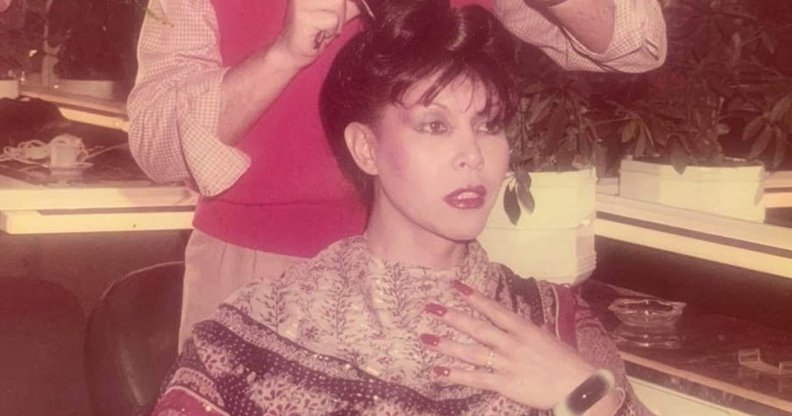
Trailblazing transgender actress and dancer Ana Lupez has died aged 82 (Ana Lupez/Facebook)
Trailblazing transgender actress and dancer Ana Lupez has died aged 82, leaving behind a decades-long legacy of performances that helped open doors for queer entertainers across South America and Europe.
Lupez died in the early hours of Wednesday (14 October) in Mendoza, Argentina, from heart cancer, LGBTQ Nation reports. She was one of the first Argentine women to undergo gender-affirming surgery and became a celebrated performer at a time when transgender people faced widespread discrimination, harassment and the threat of arrest.
Born on 28 March 1944 in Guaymallén, Argentina, Lupez knew from childhood that she was a girl, despite being raised in a society that regarded transgender identities as an illness or moral failing.
How Ana Lupez defied anti-trans policing
According to Argentine newspaper Diario Uno, she recalled experiencing panic attacks when her mother insisted on dressing her in boys’ clothes. Her mother eventually took her to hospital in an attempt to understand what was happening.
“From a young age, I believed I was a girl and behaved like one,” Lupez said. “My poor mother didn’t understand and took me to the doctor to be ‘cured’.”
Even in hospital, however, Lupez found ways to perform. She recalled dressing in bedsheets and putting on shows for other patients, while nurses told her mother that her child was “strange”.
After her mother remarried and had seven more children, Lupez left home at 14. She survived through work at circuses and harvest festivals before moving to Rio de Janeiro, Brazil, at 15 to perform in cabarets.
At 20, she relocated to Montevideo, Uruguay, where she appeared alongside other transgender performers on comedy programme Telecataplúm. They encouraged her to develop her talents through transformismo, a form of drag and gender performance.
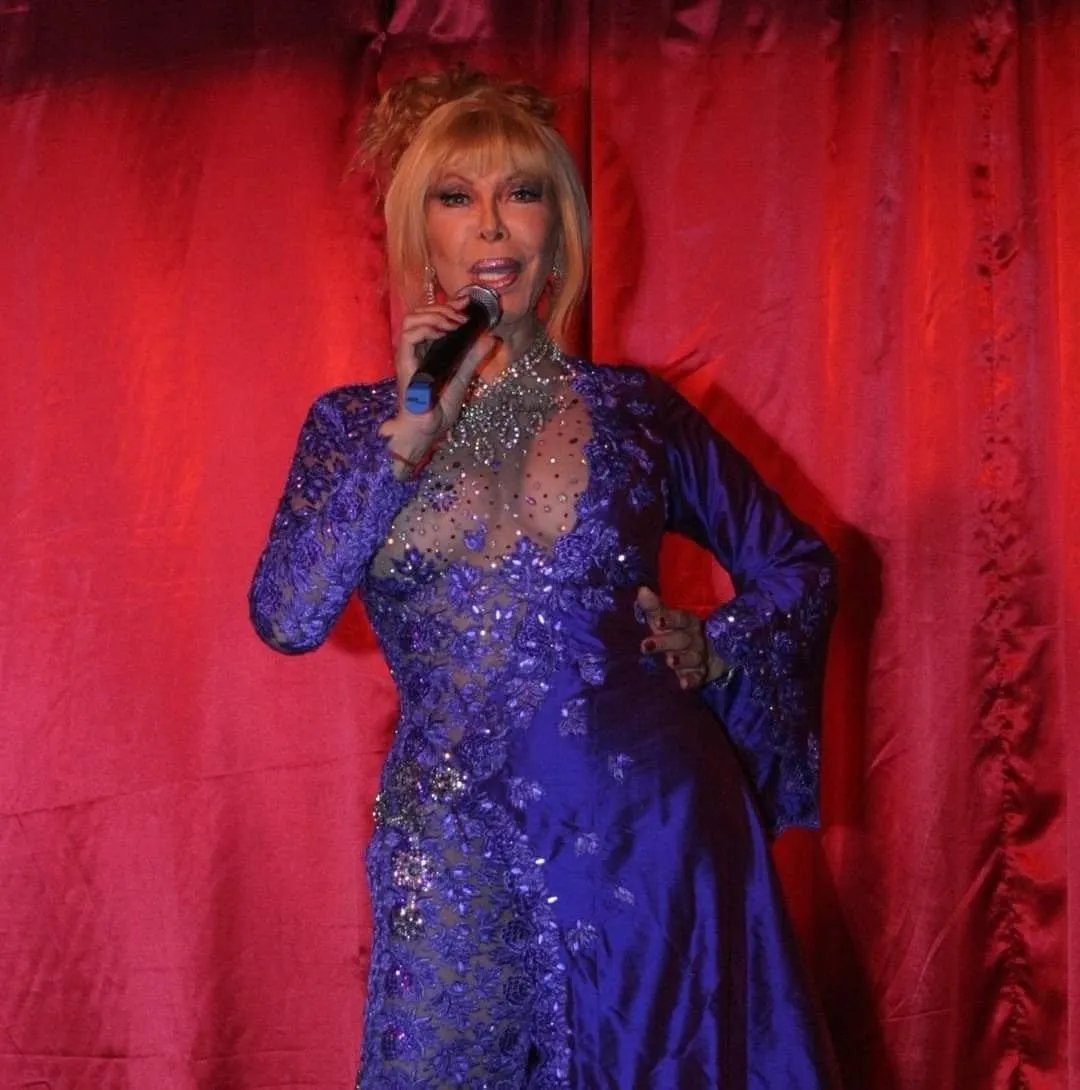
Lupez also studied ballet and Argentine folk dance. By the end of the 1960s, she was performing at the Teatro Maipo and Teatro El Nacional in Buenos Aires.
But her growing success came with significant risks. Police scrutinised her for wearing clothing they considered inappropriate for her sex, leaving her vulnerable to arrest, That Eric Alper reports. Across much of South America at the time, laws targeting cross-dressing and broadly worded public morality and vagrancy rules were used to harass and detain transgender women.
The dangers intensified under Argentina’s military dictatorship, which persecuted gender-nonconforming people and artists viewed as political or ideological threats. In 1979, Lupez left her home country and eventually settled in Spain, where she found greater freedom to live and perform.
She made her debut at Madrid’s Gay Club before joining Barcelona de Noche in 1981. The venue, known as “the Gay Cathedral”, was a celebrated queer nightlife destination run by countercultural performer and impresario Antonio Gracia José, known as Pierrot.
Lupez became a headline star, appearing in productions including Locas de Amorrr (Crazy Women of Love). She later performed in Madrid stage shows such as E.L.L.A.S. and Escándalo Gay (Gay Scandal), eventually leading productions at the New Centaurus cabaret venue.
Making trans history
In 1986, Lupez underwent gender-affirming surgery in Barcelona, describing the experience as a profound personal liberation.
“I was the first trans woman to have surgery in Spain… when the law was passed, and was the first Argentinian to do so, when nobody [in Argentina] talked about it,” she said.
“For me, it was an indescribable liberation, because for me, of everything I’ve achieved in my life, my greatest triumph was becoming a woman.”
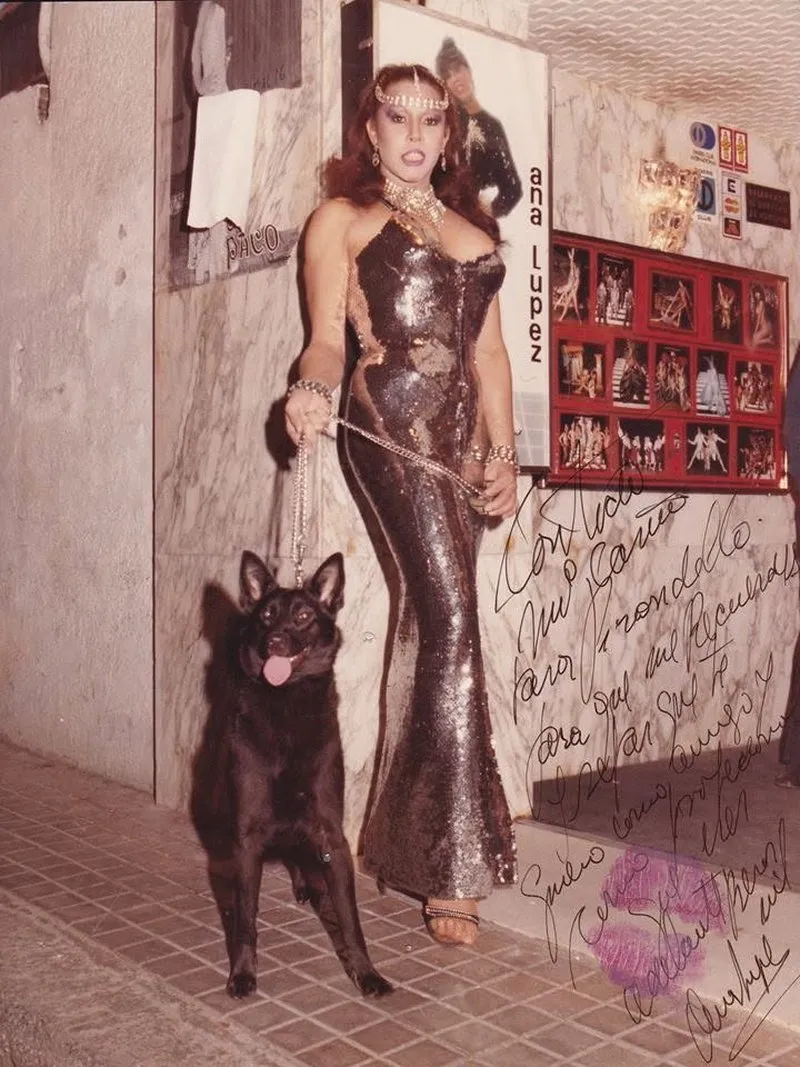
She celebrated the milestone through her stage show Ya Soy Yo (It’s Me Now), which featured her original song “Soy lo prohibido” (I Am the Forbidden).
The following year, Lupez purchased Barcelona de Noche alongside two Argentine colleagues. She launched further productions, including Las Tretas de Ana (Ana’s Tricks) and Un Desplume Diferente (A Different Kind of Plucking). Although the venue closed in September 1990, her career continued to flourish.
During the following decade, she appeared in film and television, including the movie Las edades de Lulú (The Ages of Lulu) and television programmes Eva y Adán (Eve and Adam) and Agencia Matrimonial (Marriage Agency).
She later moved to the Canary Islands, where she ran the Paradise Show Theatre in Maspalomas, as well as two restaurants and a custom shoe shop.
After the death of her longtime partner in 2003, Lupez returned to Argentina to be closer to her loved ones. She sold many of her belongings to finance a comeback performance, Otro tipo de Mujer (Another Type of Woman), in Buenos Aires in 2006.
She eventually retired in Benidorm, on Spain’s Mediterranean coast, and received a Lifetime Achievement Award at the Miss Transformarte event in 2019.
Reflecting on her career, Lupez said she had achieved more success than she ever imagined. But professional recognition was not what mattered most to her.

“What I am most proud of is having achieved the dignity I sought as a woman,” she said.