22 the Best Bisexual Characters In TV History
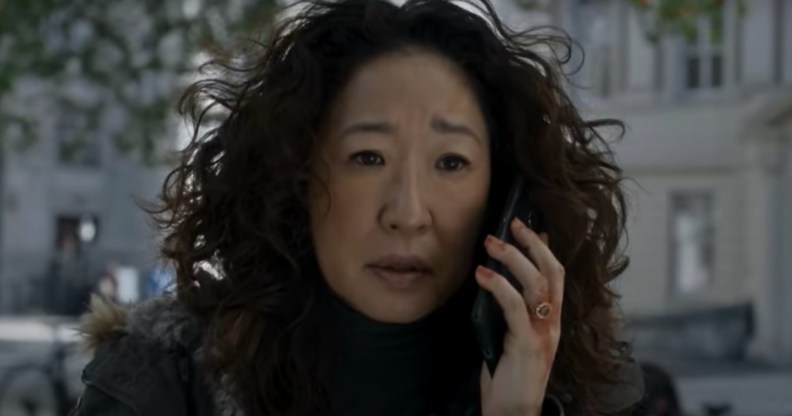
Sandra Oh as Eve Polastri in Killing Eve season two. (BBC America/YouTube)
Sandra Oh as Eve Polastri in Killing Eve season two. (Image: BBC America/YouTube)
To an extent, gay and lesbian characters are flourishing on the small screens. Yet it feels as though bisexual and pansexual characters often don’t make the cut. But there’s been a boom of bisexual folk in recent years, and, while not comprehensive, here’s our list of the 35 best bisexual+ characters in TV history. In no particular order:
Toni Topaz, Riverdale .
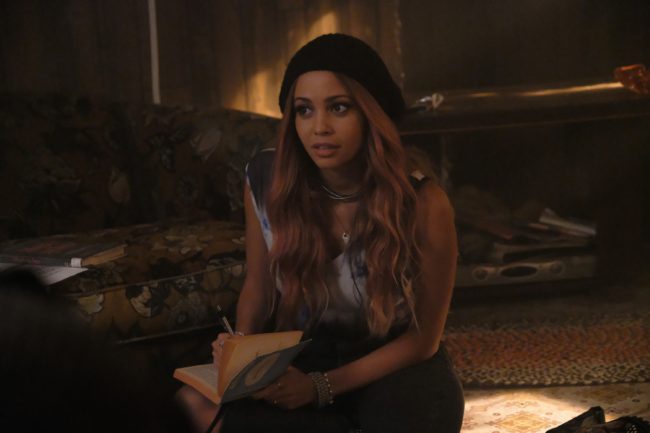
Damn, Riverdale, back at it again with the bisexual representation.
Topaz caused a storm back in 2017 when she kissed Jughead, sending Bi Twitter and Tumblr into a gyre of glee.
As a result, Vanessa Morgan’s character became the show’s first openly bisexual character.
Daryl Whitefeather, Crazy Ex-Girlfriend .
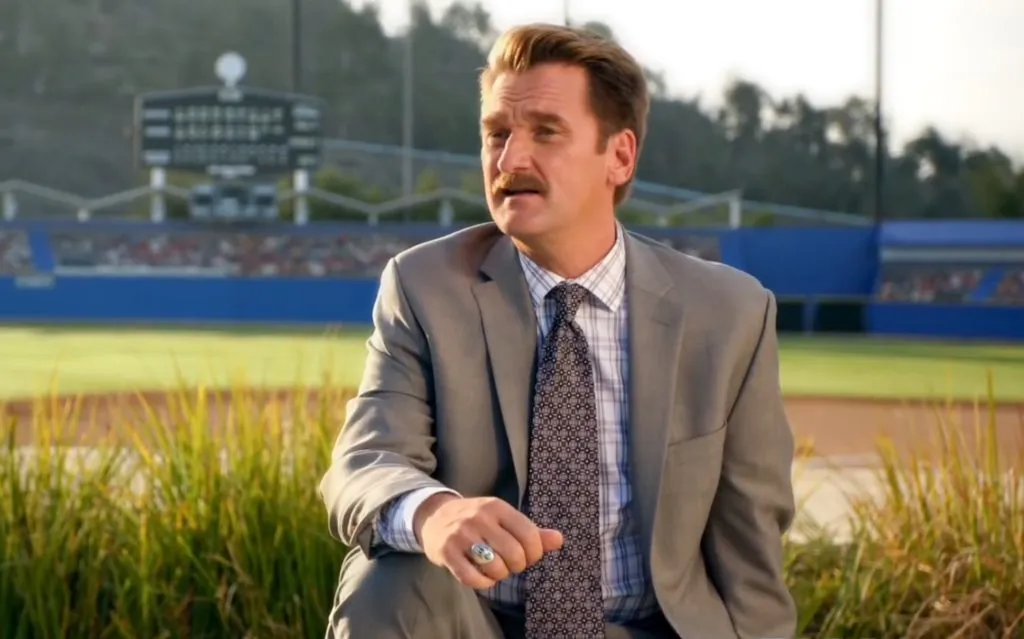
A plot arc that gave the bi community one of the biggest, most beautiful bi anthems of the century, yet a middle-aged divorcé with a child doesn’t exactly scream bi-hero at first.
But portrayed by Pete Gardner, when Whitefeather comes out as bi (true to the show’s musical style) he proudly belts a catchy as song about “getting’ bi,” and how he’s not “choosing sides.”
Importantly, he’s shown to have relationships with both men and women and his sexuality is never made into a barrier or problem in any of them, as well as having a kid. Phew.
Miles Hollingsworth III, Degrassi .
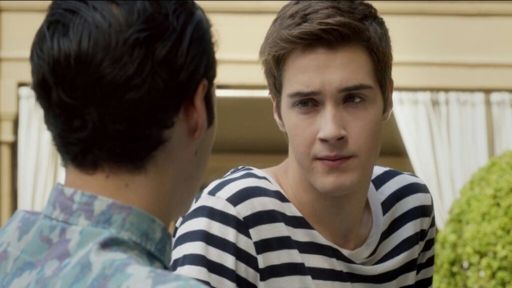
Eric Osborune’s Hollingsowrth III character became more than the typical rich boy archetype when he began to fall for Tristan Milligan in the Canadian drama.
It kicked off a defining arc for the character, who learned not to resist or be afraid of the label ‘bi’ which, in turn, helped him fall even further in love for Dallas.
While there are other characters on the show who are queer, Hollingsworth III was a huge leap as the first of them to refer to himself as bisexual.
Petra Solano, Jane the Virgin .
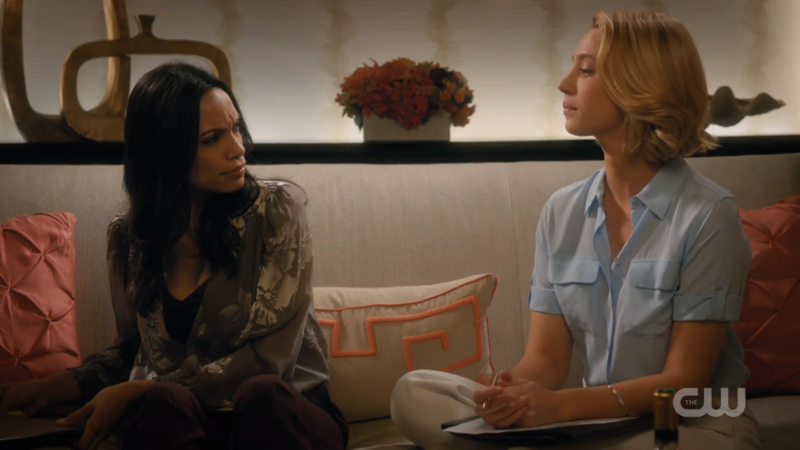
There’s a high chance that you might be part of a select group of Jane the Virgin femslash shippers known as ‘Jetra.’
But if you need that translated, it means those fans who want Solano and Jane Villanueva from the American dramedy show together. Fans scored their fandom fantasies, albeit, with another character coincidentally called Jane, in season four.
In it, the Excel Spreadsheet-type Solano falls head over heels for Jane Ramos (Rosario Dawson) which ignites a tender arc where Solano low-key freaks out whenever Ramos touches her. It’s sweet, and the two end up coupling up.
Valencia Perez, Crazy Ex-Girlfriend .
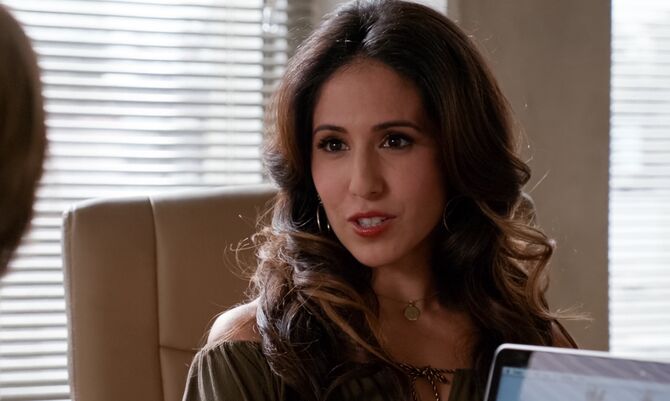
Some queer characters are introduced in the context of their sexuality – their coming out, their first time, the new queer kid on the block who’s picked on, et cetera.
But, like in life, sexuality isn’t always immediate. Some discover ourselves later in life, much like Gabrielle Ruiz’s character in the CW show.
In season three, she’s causally revealed to have a girlfriend. It’s not questioned by any characters and it’s treated as completely normal, a refreshing change from many shows that would have easily dramatised and sensationalised her ‘Big Reveal.’
Carrie Torres, Grey’s Anatomy .
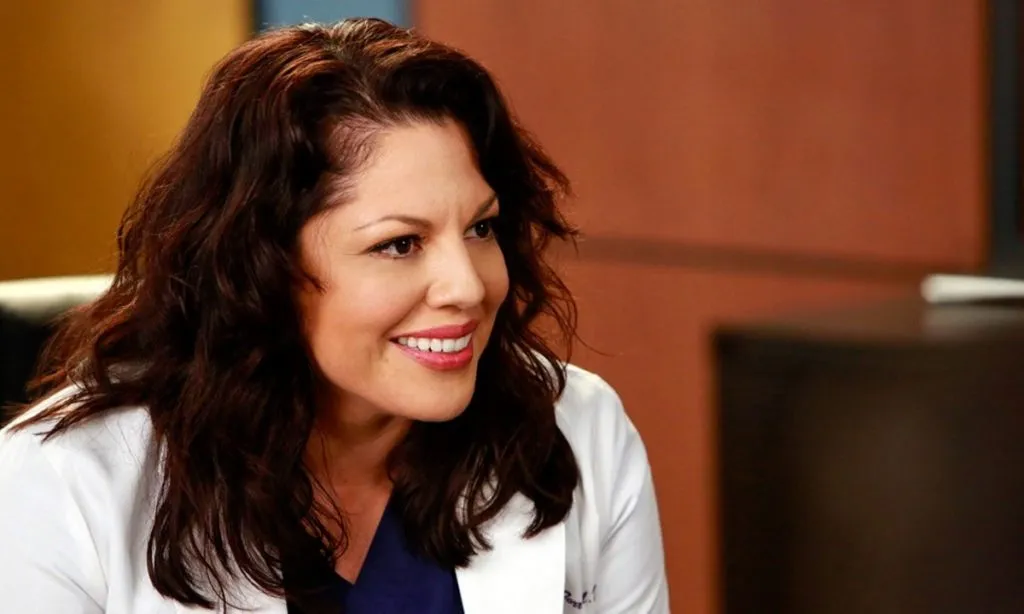
When a character is introduced in 2006 and later revealed to be bi, you know for a fact they’re about to do some heavy lifting in the world of representation.
Carrie Torres (Sara Ramirez) garnered widespread acclaim for her verve portrayal as she stands as the longest-running LGBT+ character in TV history – appearing in 11 seasons.
Torres was later identified as a lesbian by show creator Shonda Rhimes, yet nevertheless, her arc remains a provocative and tender depiction of bisexuality in TV.
Villanelle, Killing Eve .
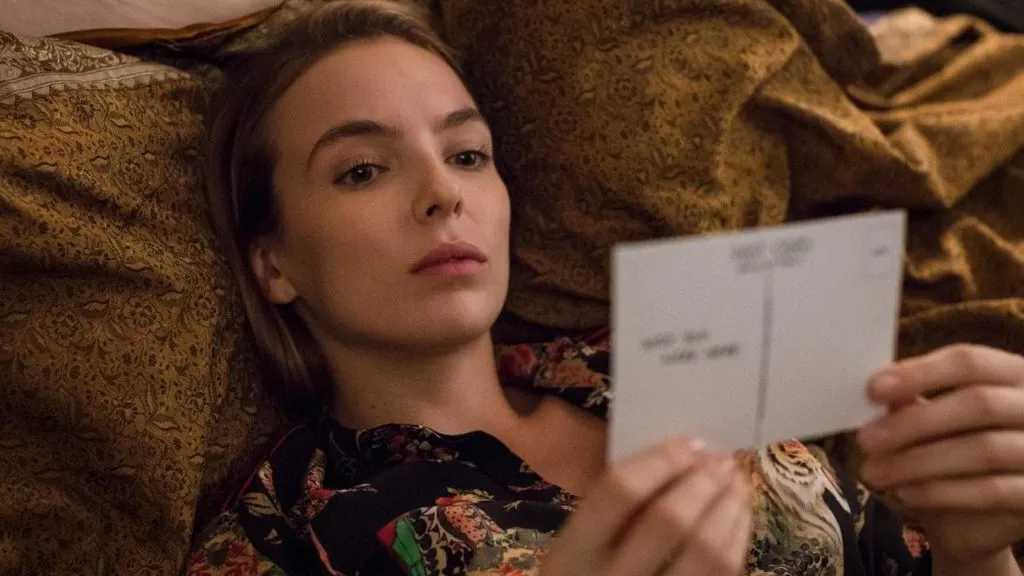
“I think about you, too,” Villanelle (Jodie Comer) said in the season one finale, “I mean, I masturbate about you a lot.”
With all its queer-coding and baiting, the bi+ rep in Killing Eve could have gone very, very wrong. But the porcelain-skinned, Chloé-wearing Russian assassin thrives off sex (and couture) and owns her sexual fluidity outright.
She and Sandra Oh’s (Eve) relationship is layered, weird and often unsettling, but has captured the hearts of millions of viewers.
Eve Polastri, Killing Eve .
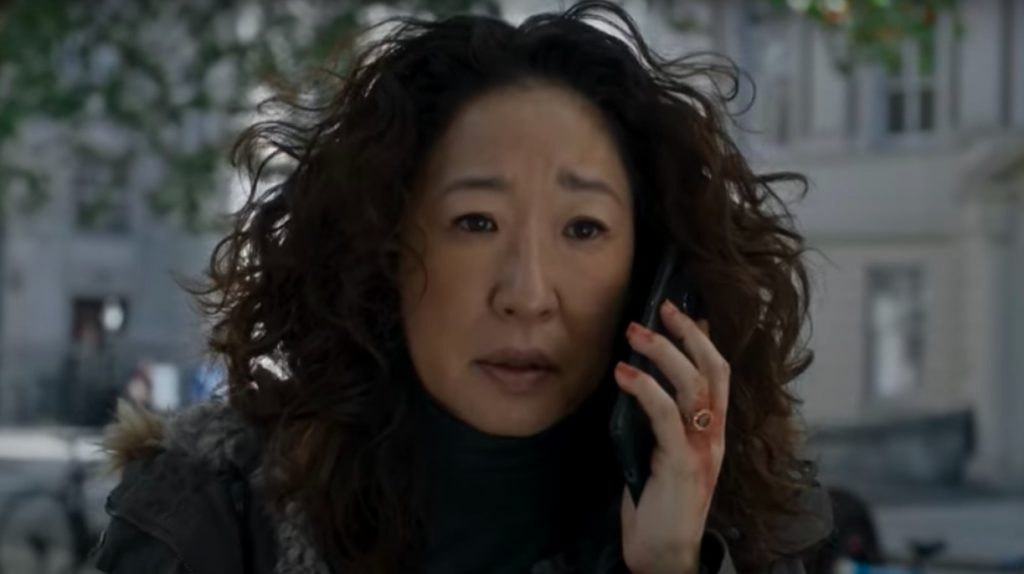
Somewhat steely when it comes to the men she’s dated throughout the seasons, Sandra Oh’s Eve is cool, calm and collected.
That is, until she meets Villanelle. When learning of the assassin, Eve forgets to have sex with her husband as well as forgetting about dinner.
Eve is unaware of her sexuality, and her mutual attraction with Villanelle give her a strange way to explore it.
Bill Pargrave, Killing Eve.
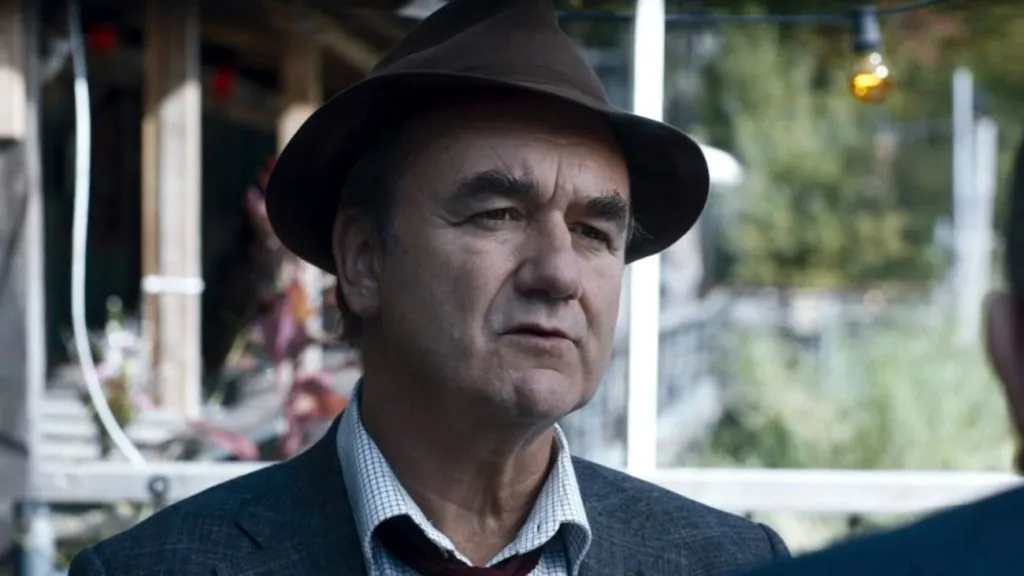
We’ve all heard the biphobic trope that bisexuality is a ‘young person’ thing, that it’s trendy and just a short-order sexuality.
So, when 61-year-old Bill Pargrave is casually revealed to be bisexual in episode three of season one, it’s heart-warming to see.
“I just fall in love with whoever I fall in love with,” he said.
Princess Bubblegum and Marceline the Vampire Queen from Adventure Time.
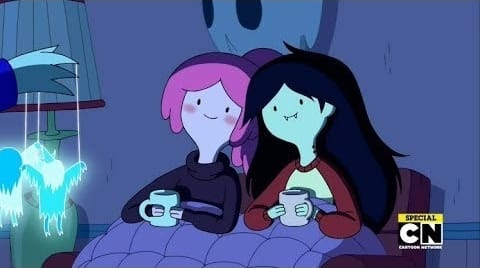
They might be two-dimensional, but the impact of these two kissing on a modern kid’s cartoon was absolutely groundbreaking.
It only took eight years, but in the series finale of Adventure Time, fans were left in tears as a montage saw Marceline and Bubblegum adorably kiss.
The show, which aired on Cartoon Network during the 2010s, long hinted at the pairing which sent Tumblr into a frenzy for all the right reasons when it finally happened.
Tony Stonem, Skins
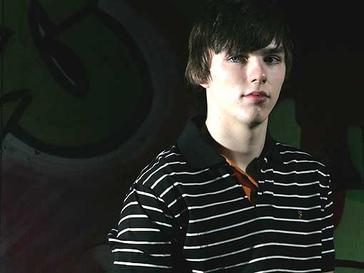
Remember Skins? It’s the definition of a cult classic, and, boy, was it a weird one. Its antihero was Tony Stonem, played by the waifey Nicholas Hoult.
Stonem had a roaring sexuality that is not easily defined, complimented by the varied, dented reading list he is often shown with – everything from Jean-Paul Sartre’s La Nausée to Oranges Are Not the Only Fruit, by Jeanette Winterson.
He ended up having a one-night stand with openly gay Maxxie (Mitch Hewer), and, during a dream sequence, referred to himself as polysexual.
John Constantine, Legends of Tomorrow.
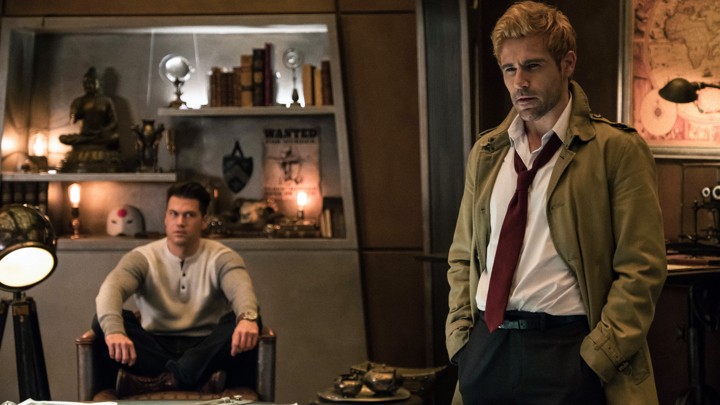
An occult detective from Liverpool, England, the DC’s Legends of Tomorrow character is a steamy anti-superhero.
The trench coat-wearing, chain-smoking warlock has had his sexuality erased in some adaptations of the comic book, but his self-discovery was carved out in the CW TV adaption.
He regularly sweet talks men and women in a depiction of bisexuality that is expansive, wide-ranging and truly does not care what people think of him.
Quentin Coldwater, The Magicians
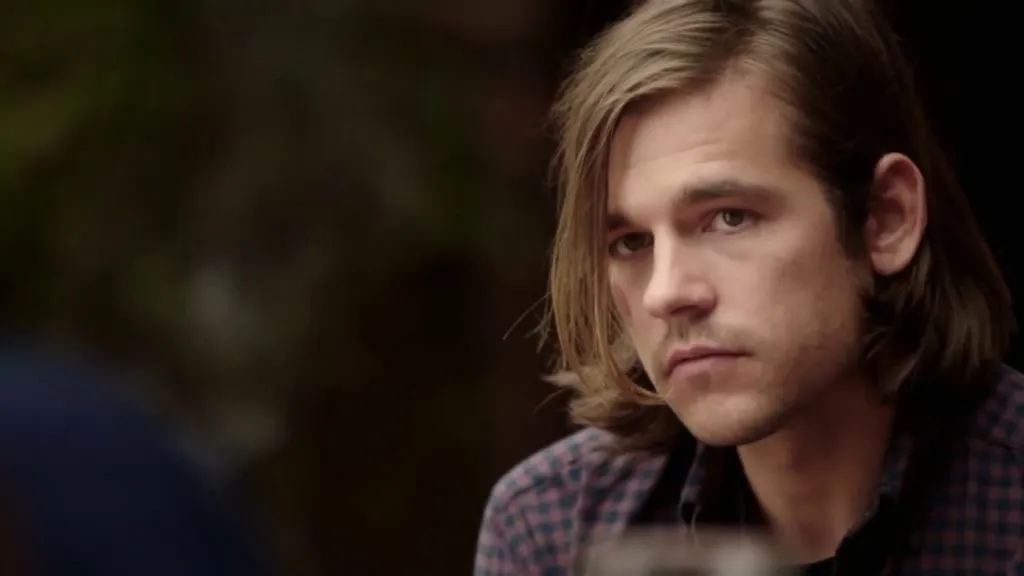
Many of these guys on this list can be called a bisexual king, but Quentin Coldwater is a literal Bisexual King.
The queer royal’s speculated bisexuality was finally made canon in season three, when Coldwater coupled up with Eliot.
Within the fantasy-adjacent world of The Magicians, where sex and magic are interwoven, the idea of a bi leading-man obliterated expectations after years of he and Alice Quinn’s heterosexual pairing being a central plot-line.
Adam Alvaro, Jane the Virgin.
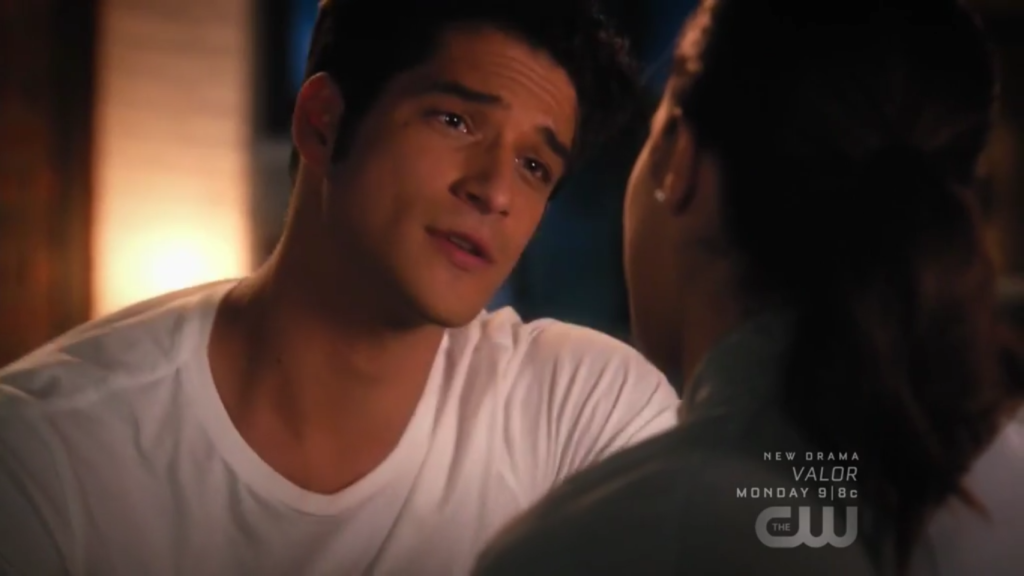
One of Jane’s many, many love interests comes out as bisexual in the later seasons of the show. Played by Tyler Posey, the show lead was a huge part of a six-episode arc.
You’ll gather rather quickly from this list that when it comes to being male, bisexuality isn’t really tackled too often. Gay male representation dominates small and laptop screens, but male bisexuality (let alone pan, and let alone folk who are not white) barely makes its debut.
But Jane’s first love, Alvaro, was ‘revealed’ to be bi to Jane, who is forced to consult her own, at times, heteronormative outlook on being bi.
Yet, it’s not about her here – Alvaro was given time to define himself as a character first, sexuality second, which demonstrated the sensitivity of the script-writers in writing Alvaro as authentically as possible.
Waverly Earp, Wynonna Earp .
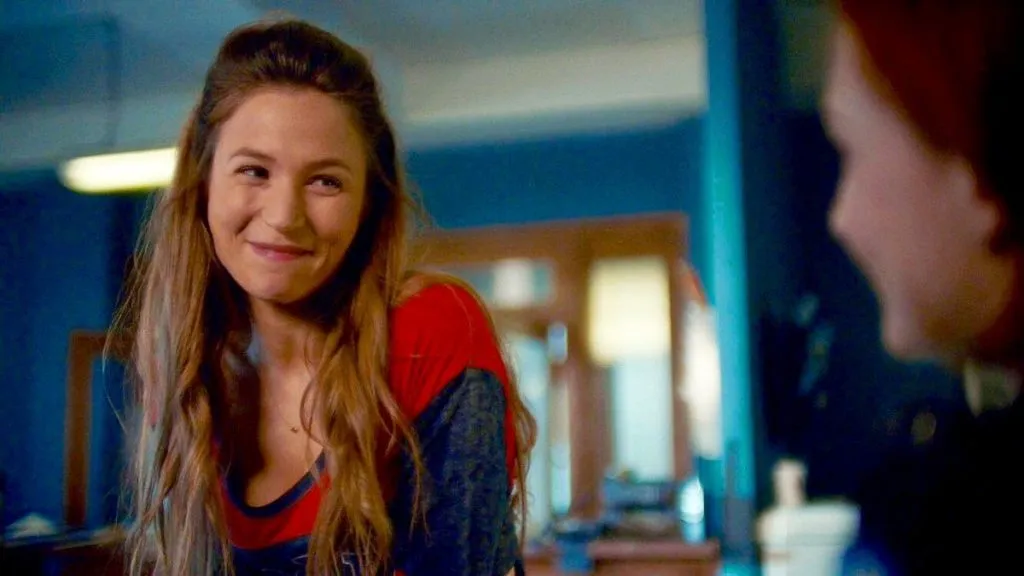
One of the overarching capital Q, Question that looms over the supernatural Western horror TV show is: ‘Who is Waverly Earp?’
To be fair, the character herself doesn’t really know either.
But what she does know is that when Amy, a seriously hot police officer, walks into the room, her body is totally ready for her.
Nico Minoru, Marvel’s Runaways .
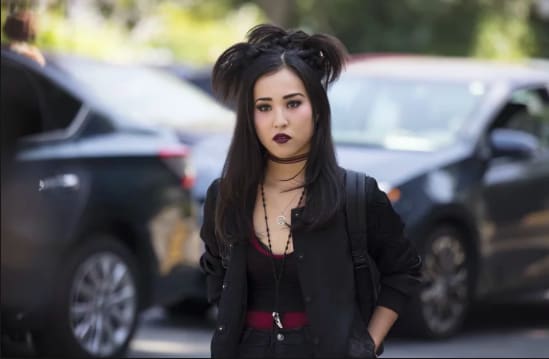
While there’s a lot of push and pull from tie-wearing executives and fans about queer rep in cinema, the TV-side of the Marvel universe is a little ahead of the curve here.
Nico Minoru (Lyrica Okano) is the witchy Sister Grimm of the show and a massive step in casting diverse people in big-budget TV. As a bisexual Asian-American, Minoru is first introduced as a love interest for a male character.
But later, she falls for a lesbian alien, Carolina Dean, becoming a sign for fresher, more queer decision-making for TV comic-book adaptations.
Star Butterfly, S tar vs. the Forces of Evil .
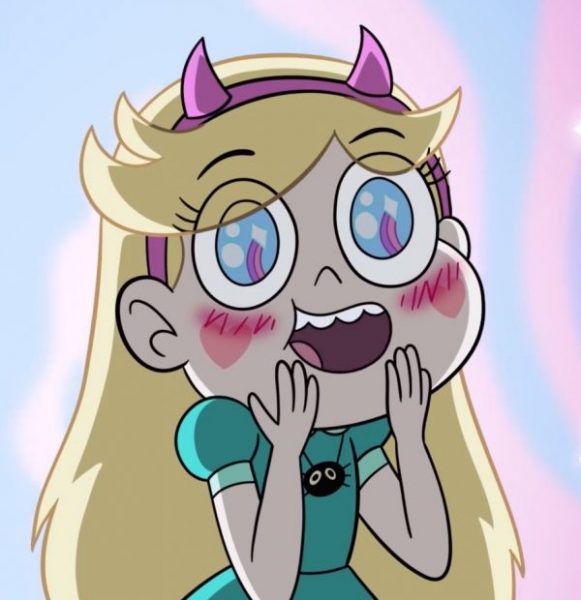
In its fourth and final season, the Disney cartoon proudly sparkled with the colours of the Bi Pride flag. Or, at least in the eyes of Star Butterfly.
In the show’s the show’s March 17 episode “Ransomgram,” the magical princess gazed lovingly at both thunder goddess Brunzetta and an alternate universe version of her friend Marco.
Pink, purple and blue stripes even arc across the princess’ light blue eyes. Cute to the max.
Annalise Keating, How to Get Away With Murder.
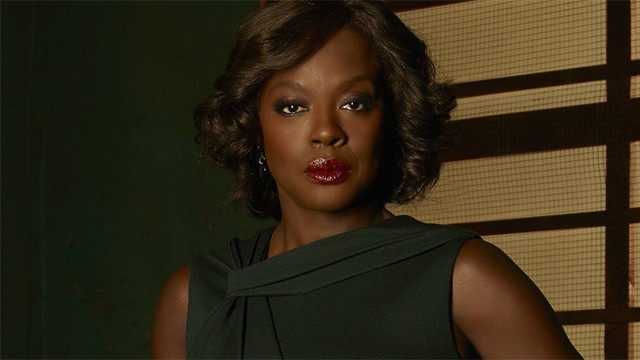
Terrible men, terrible women; Annalise Keating has loved them all.
Viola Davis’ character is broken, messy but always looks impeccable. Her sexuality is treated as vague at times, and she often has internal conflict with defining herself in a clear, clean way.
While some have praised her resistance to labelling as a defined example of sexual fluidity, some critics have pointed it as an example of the ‘confused bisexual’ TV trope.
Marmaduke ‘Moose’ Mason, Riverdale .
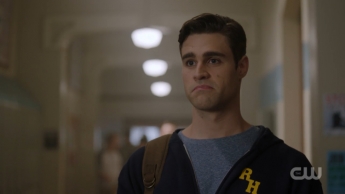
‘S’ is for ‘Swoon.’ He might share his name with a dog, but varsity football player, played by Cody Kearsley, often hooked-up with openly gay character Kevin Keller and later dated a girl named Midge Klump.
His precocious sex-life is portrayed as ambiguous, at times, and never openly defined his sexuality one the show.
After he revealed to his father his attraction to men, it ushered in a heart-breaking storyline where his dad tries to convert Mason, resulting in the jock leaving town but not without sharing a final kiss with Keller.
Fleabag, Fleabag .
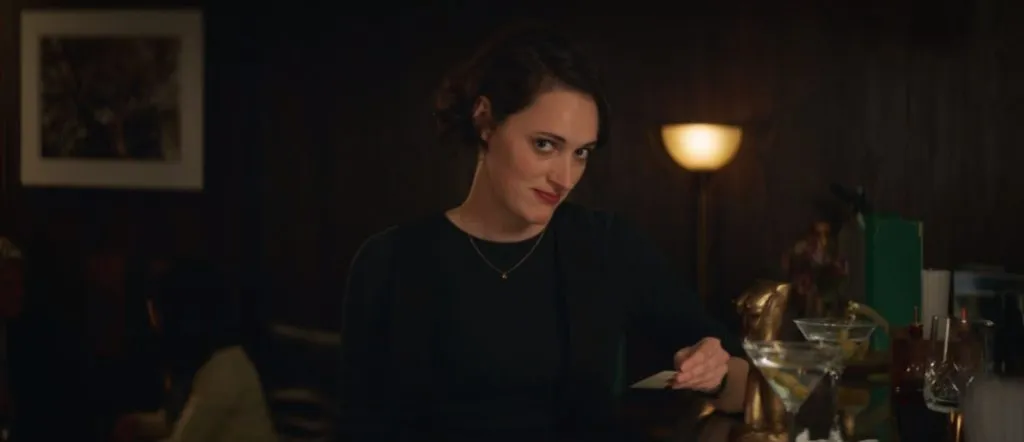
The Hot Priest stole the hearts of many, but one scene in Phoebe Waller-Bridge’s BBC Three comedy show sent shockwaves among viewers.
The show’s nameless protagonist goes through swerves of men, but she ends up getting hit on in a bar by business woman Belinda (Kristin Scott Thomas).
When Belinda asked Fleabag if she is a lesbian, she blithely responded: “Not strictly.”
Ashley Davis, South of Nowhere .
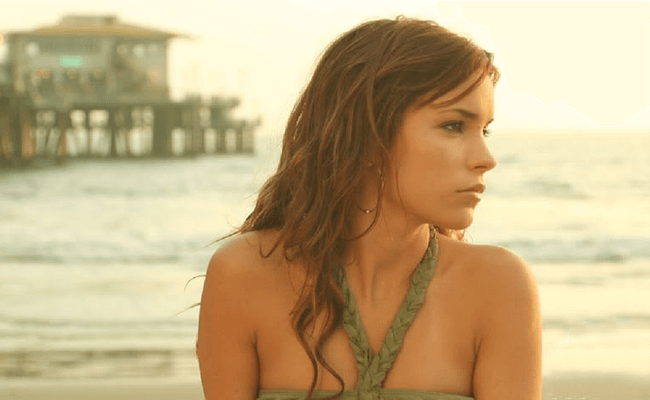
A bi character who is angst-free about their sexuality, and has significant relationships with people of their same gender that the writers do not for a ratings boost, but to boost the authenticity of the character themselves? Just imagine.
Ok, stop imagining. Writers wove the sexuality of Ashley Davies (Mandy Musgrave) naturally into the plot of this teen flick from 2005.
Davies’ sexuality was never questioned, nor was there any Big Reveal for it. Refreshing, considering both questioning and the reveal are often made out to be the defining personality traits for bi+ folk.
Mazikeen, Lucifer .
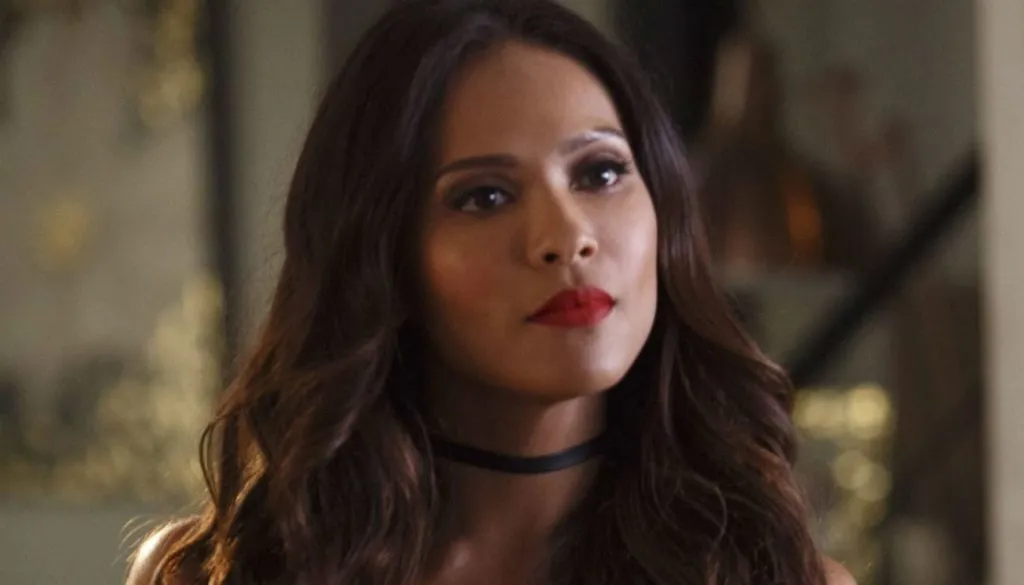
You might wonder how a soulless demon is positive bi rep, but you’d be surprised here.
Not only is Mazikeen’s sexuality not exploited for shock and or awe value by the writer’s room, but she is given the space to explore all dimensions of her sexuality, human or otherwise.
In the seductive thriller–about to enter its fifth season–Lesley-Ann Brandt’s character is Lucifer’s right-hand person.