All the countries boycotting Eurovision Song Contest in 2026
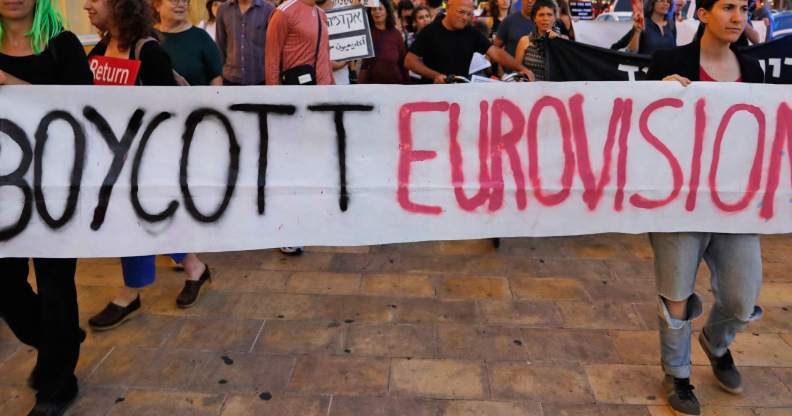
A past protest against Eurovision (Getty Images)
The 2026 Eurovision Song Contest is facing the largest boycott in the competition’s history since 1970, with five countries pulling out over Israel’s participation.
The 70th anniversary edition of the competition is due to take place in Vienna this week and will see just 35 countries competing, the smallest since 2003.
Here’s a rundown of who is sitting this year’s Eurovision out.
Spain
Spain, one of the ‘big five’ countries, has been particularly vocal over the competition this year. It’s the first time since 2011 that the country won’t be in attendance at Eurovision. The country will not broadcast this year’s contest, either.
President of Spanish broadcaster RTVE, José Pablo López, explicitly rejected Eurovision’s claim to be apolitical, saying that the Israeli government leverages the event on the international stage.
Ireland
RTÉ announced it would neither compete in or broadcast the event, citing the humanitarian crisis in Gaza and concerns over the targeted killing of journalists.
In a statement released in December, RTÉ said Ireland’s participation remains unconscionable given the appalling loss of lives in Gaza and the humanitarian crisis there which continues to put the lives of so many civilians at risk.
Instead of airing the contest, regularly scheduled programming will take its place.
The Netherlands
Dutch broadcaster AVROTROS stated they “can no longer justify Israel’s participation with the continued and serious human suffering in Gaza”.

CEO Taco Zimmerman wrote that while the Eurovision Song Contest is incredibly valuable to them, culture unites but not at all costs, and universal values like humanity and a free press have been seriously violated and are non-negotiable
The broadcaster also raised concerns about Israeli government interference in previous contests’ voting outcomes
Iceland
Iceland’s participation became “uncertain” after initially planning to hold its traditional national final ‘Söngvakeppnin’, with the decision ultimately hinging on whether Israel would be allowed to compete. When Israel’s participation was confirmed, RÚV joined the boycott
Director general Stefán Eiríksson stated in the broadcaster’s announcement that given the public debate in Iceland and reactions to the EBU’s decision, it was clear that neither joy nor peace will prevail regarding RÚV’s participation in Eurovision.
Slovenia
RTV Slovenia board chairwoman Natalija Gorščak declared that for the third year in a row, the public has demanded they say no to the participation of any country that attacks another country, emphasising they must follow European standards for peace and understanding.
Gorščak later stated that the broadcaster received many protests from Eurovision fans saying they shouldn’t be on the same stage as Israel, and that their ethical position as a public broadcaster is to fight for peace.
Slovenia’s RTV will instead air documentaries about Palestine.
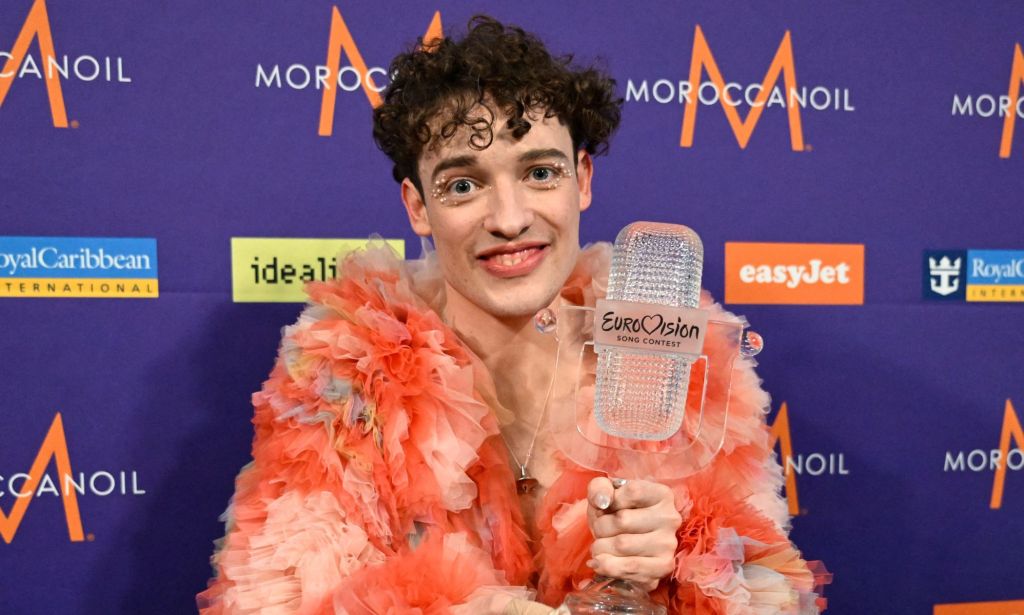
The boycott has been described by several media outlets as ‘the biggest crisis in the history of Eurovision’. Winner of the 2024 contest, Nemo, has returned their trophy to the European Broadcasting Union, with 1994 winner Charlie McGettigan announcing he would do the same.
Several broadcasters have previously called for reforms to the televoting system for Eurovision after the Israeli government ran campaigns that encouraged the public to vote for their entries in 2024 and 2025, with the 2025 campaign reaching over 68million impressions online.
The Eurovision Song Contest begins with the first semi-final on May 12, with the grand finale happening on Saturday 16 May.
Share your thoughts! Let us know in the comments below, and remember to keep the conversation respectful.