
KPop Demon Hunters writer came out as bisexual while making Netflix film
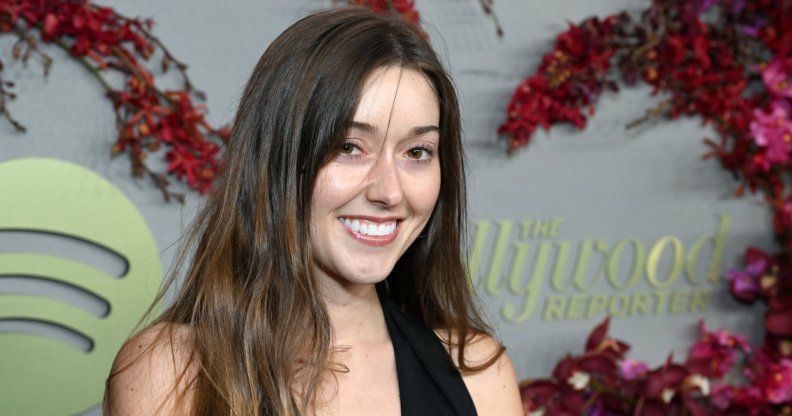
Hannah McMechan (Getty Images)
KPop Demon Hunters writer Hannah McMechan has revealed that she realised she was bisexual while making the hit film.
In an interview with People, McMechan said that she “had no idea” she was queer when she started the Netflix project in 2020. However, when the pandemic hit that same year, she came to the realisation that she was bisexual. “We went into the pandemic, and everyone was soul-searching and realising things about themselves,” she said.
Following this realisation, the 30-year-old co-writer of the 2025 film spent the next two years coming out to friends. She ultimately told her parents in 2023, which she was worried about, as she had grown up in a religious household.
“I was so afraid of telling anyone in my life, which ironically is very accurate to the movie,” she said. “I was having this journey with my sexuality and not wanting to tell anyone and feeling ashamed of it.”
She went on to say that it was “really difficult” to come out to her parents and that they are having ongoing discussions about her sexuality as they try to accept it. She recalled her coming out experience as being “from the 1980s” and “honestly not fun”.

“They’re still trying to accept it and still asking if I’m still queer, because they think it’s a phase. I’m trying to stay strong.”
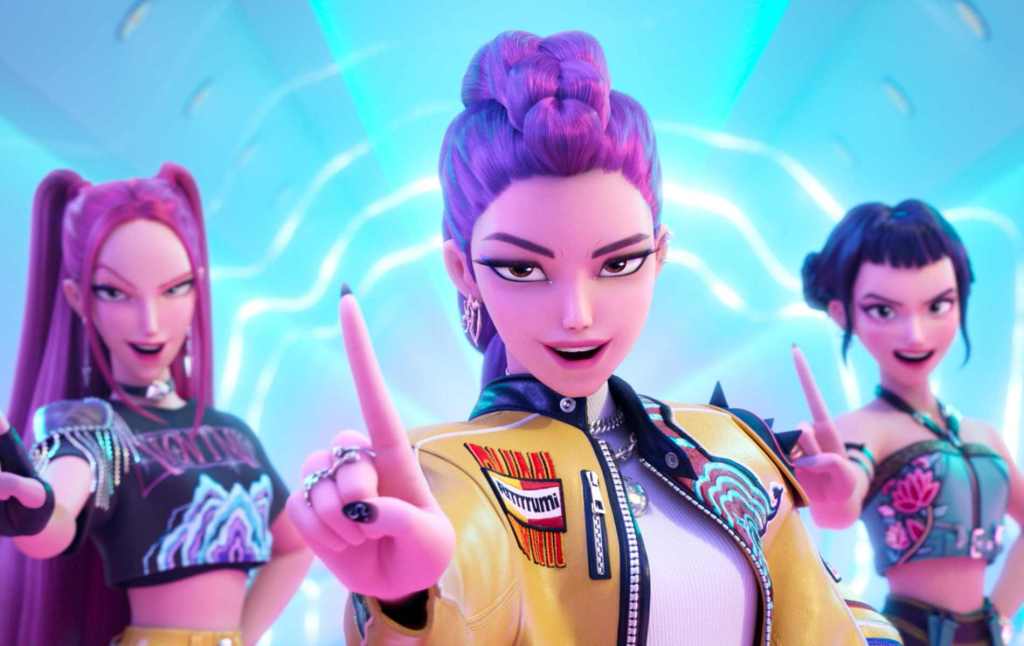
McMechan said the film, which follows a singer called Rumi who is instructed to hide her half-demon identity, started to take on new meaning for her following her sexual realisation. “Every time we rewatched it or finished another draft, I was at such a different place in my life, where it took on a new meaning every single time,” she said.
While she said that she didn’t purposefully put aspects of her queer awakening into the film, she was sure that it “bled into the writing”. One scene in particular was incredibly relatable for her, which is between Rumi and her adoptive mother toward the end of the film.
In the scene, Rumi asks her mother to accept her identity, but her mother refuses, prompting Rumi to ask why she can’t love and accept her as she is. McMahen said the scene “literally feels how I feel with my mom because she’s so religious.”
It isn’t just McMehan who saw elements of her own journey in the film, with LGBTQ+ audiences embracing and strongly resonating with Rumi’s journey. This is something that has been really special to the writer.
“It’s so cool,” she said. “There’s no group of people happier than a bunch of queer people dressed up as these girls.”
Share your thoughts! Let us know in the comments below, and remember to keep the conversation respectful.