Social media under-16s ban cuts a vital lifeline for queer kids
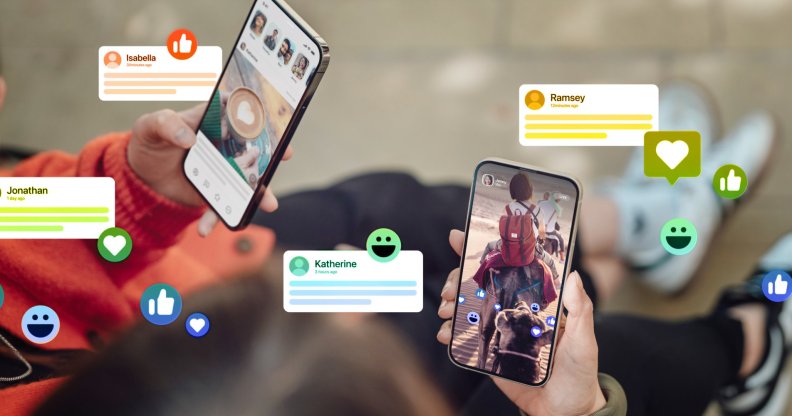
Social media can be a lifeline for queer kids (Getty Images)
Social media has gotten out of control. Anyone who frequently doomscrolls knows the cesspool of vitriol you can find on X, TikTok, and Facebook in particular. Something clearly needed to happen to address the insurgent malevolence many post with, but a ban for under-16s is a harsh reactive policy born from a desire to win favour with a public who no longer has faith in its government.
Although the prime minister is firm in his conviction that a “total ban is the right choice”, his certainty is skewed from the very beginning by his black-and-white thinking. Having spoken in parliament about the rise of misogyny, so poignantly depicted in Netflix’s Adolescence and Inside the Manosphere, Starmer has only been taking notice of the dangers of social media; his is a one-track mind.
Having watched as X’s Grok has been utilised in increasingly obscene ways, it’s more than understandable to be fearful about the influence being exerted over the younger generations. With the state of social media right now, run by billionaires – sorry, trillionaires – who totally disregard the need for moderators in the face of the age-old defence of “freedom of speech”, young people are unbelievably vulnerable.
But here’s the thing, they’re also vulnerable without social media.
“I feel like I’m not being dramatic in saying that this will kill kids. I turned to social media when I was 15 because I had no friends, and it saved my life. I can’t imagine what it’s like for today’s kids, especially those who are LGBTQ+ and live in dangerous home environments,” posted X user @organalovebot about the ban.
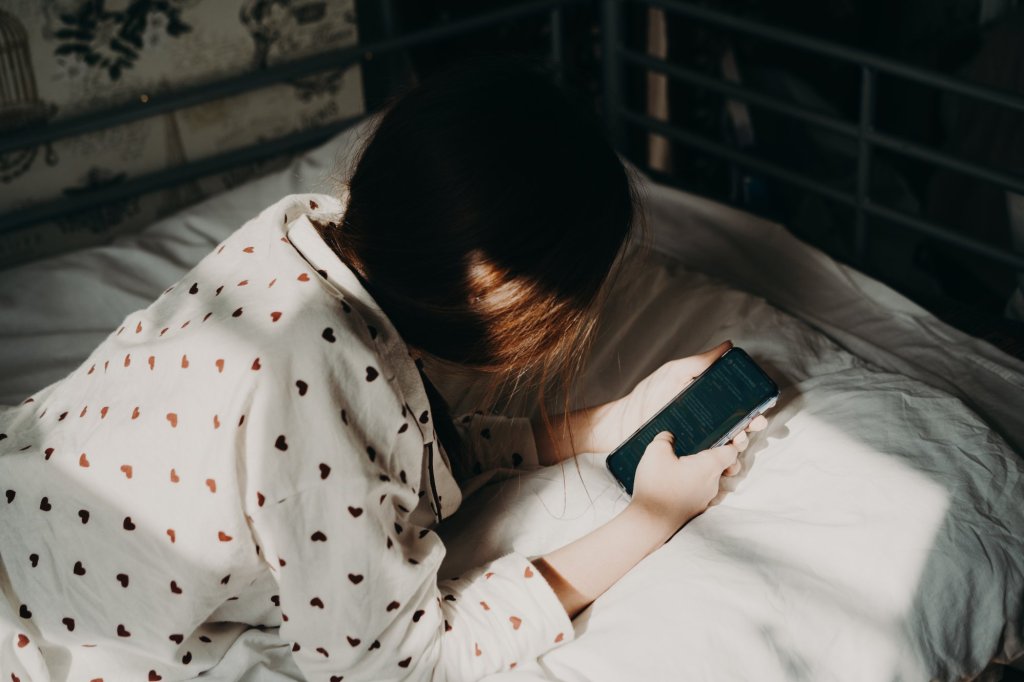
As scary a place as it is, social media is often a safe haven for LGBTQIA+ children, with them able to connect with others and explore their identity without fear of judgment or intolerance. Queer educators, influencers, celebrities, etc are actively sharing vital information or experiences that resonate with children left behind as the nation marches towards a new era of Section 28.
It’s painful to admit, but shows like Tip Toe, with its “harrowing” finale, aren’t far removed from reality at all. In fact, if we’re being totally honest, reality is just as frightening for the LGBTQIA+ community right now. That isn’t to say there isn’t queer joy to be found, but rather that it’s becoming increasingly hard to find, let alone enjoy it without fear creeping in. As much as we want to be out and proud, far too many want to see us hidden in the closets we’ve fought so tirelessly to escape from.

You only have to take a look at the way Reform has strangled Pride Month within an inch of its life, removing Pride displays from libraries under the guise that no singular community should be championed, that libraries are “accessible to everyone.” Because nothing screams accessibility like actively removing visible traces of marginalised people.
Youth groups have all but been removed, and if you’re fortunate to have any available near you, you’re arguably one of the lucky few. After school activities do still exist, but they’re not exactly designed with queerness in mind, nor are the majority of public spaces right now, and certainly not for minors. When this is the offline world, we can’t blame young people for flocking online to look for representation and support.
There are queer adults alive today because they had the lifeline of social media. And yes, while there are plenty of people who have harmed themselves because of online content and users, there are just as many who have been saved.
Let’s also not ignore the blatant hypocrisy that’s at work here, as demonstrated by Dr Hiliary Cass. Dr Cass continues to call for better research before lifting the puberty blockers ban, despite trans teenagers like 17-year-old Leia Sampson-Grimbly ending their lives because of a lack of access and support. Why is more investigation needed in the instance of reversing the puberty blockers ban, but not when it comes to banning social media?
Another glaringly obvious factor of this under-16s social media ban that the government has failed to properly consider is how it encourages minors to find ways to bypass it. It’s ridiculously naive to think that children and young teens aren’t capable of using VPNs or fake IDs – assuming that the ID checks are even that thorough.
Take the recent iOS age verification that came into effect; I was able to confirm my age by using my partner’s credit card (I don’t own a driver’s license or a credit card, so Apple treated me like a minor. I’m 35 years old). That’s how thorough these checks are. Britain’s youth are far more inventive than I. Sadly, they’re also less likely to be aware of what dangerous avenues they may venture down when they feel forced to access social media through other means.
It would be remiss to claim that social media isn’t without its problems, or to claim that it’s one of the safest spaces for queer people; a GLAAD report from earlier this year highlighted just how unsafe Meta is for LGBTQIA+ users. But if you think it’s precarious online, try walking down the street, or try using a public restroom as a trans person; you’ll soon find that while online is scary, offline is just as bad. Sometimes, it’s even worse.
As much as I dislike the word nuance due to its overuse, social media is a nuanced part of our lives that has complexities that make a blanket ban for minors fundamentally flawed. Similar to how society still views abuse towards women, the blame isn’t placed where it should be. We need to protect children, which undoubtedly means ensuring they have multiple ways to connect with their peers. A social media ban will prevent some deaths, but it’ll also cause them too; you can’t cut a lifeline and expect no casualties.
Share your thoughts! Let us know in the comments below, and remember to keep the conversation respectful.