
‘Queer TV show helped me realise importance of chosen family’
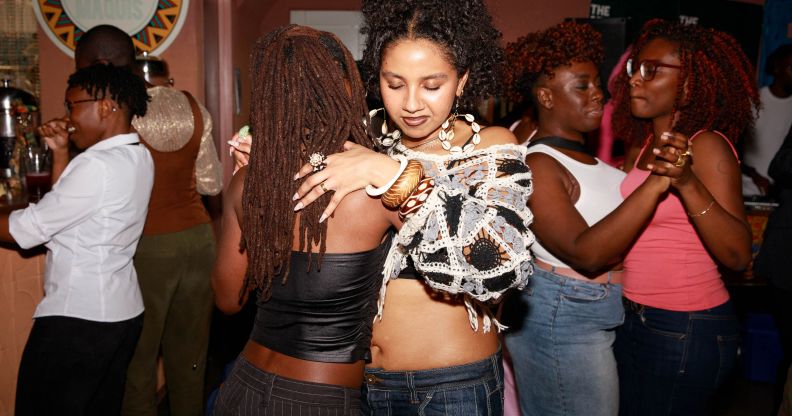
Pride of Place Living: The Chosen Family Initiative will bring together Black and Brown community members to reflect on the realities of housing insecurity (Supplied)
After grieving the end of the hit TV show Pose back in 2021, I found myself sitting with a lingering sense of unease. For those unfamiliar with it, the series, now available on Disney+, is set in 1980s New York and became a cultural phenomenon for the way it brought together different corners of the city’s social landscape. Against the backdrop of the HIV epidemic, ballroom culture and the Reagan and Trump eras, Pose explored survival, identity and, above all, the transformative power of chosen family.
“You don’t need to be born into a family to be claimed by one,” says Mj Rodriguez’s character, Blanca Evangelista, a compassionate trans woman who creates the House of Evangelista to care for and support abandoned LGBTQ+ young people. It’s one of the show’s defining messages, and one that stayed with me long after the credits rolled.
What unsettled me wasn’t simply the story itself, but what it forced me to confront about my own understanding of family and the assumptions I had carried for years.
From an early age, most of us are taught that family follows one specific model. It’s shaped by a Western, cisheteronormative ideal that assigns fixed roles to the people who are supposed to love us: a mother, a father, siblings, grandparents and, eventually, a romantic partner. That narrow definition leaves little room for the many other relationships capable of offering the same care, commitment and sense of belonging, while encouraging us to preserve those family ties at all costs, even when they’re defined by neglect, conflict or emotional harm.
Yet for many communities, including my own, family has always meant something much broader.
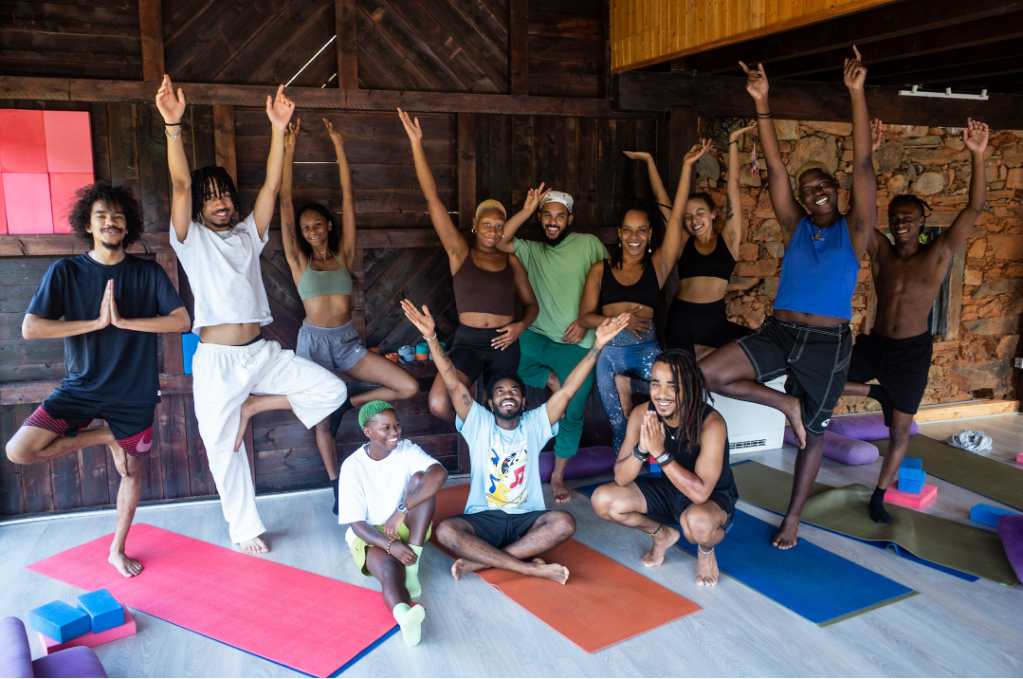
Black and Brown communities have long challenged these rigid ideas of kinship. The women we affectionately call aunties, despite sharing no blood relation, have often helped raise us alongside our parents. Friends become lifelong fixtures in our homes and community has never been separate from family because care has always extended beyond the walls of a single household. That was the understanding I grew up with, even if I didn’t always recognise it.
Watching Pose forced me to question why I still felt so attached to the traditional definition of family and inevitably, the answer was uncomfortable. I grew up in a deeply dysfunctional household where affection was often withheld and love rarely expressed openly. Inevitably, it took me a long time to understand that finding your people is something you learn to choose along the way.

The irony is that I had been surrounded by examples of chosen family my entire life. Like many other children of the diaspora, there was the one family member who was never related to us but whose house became our second home every summer. There were cousins we met much later in life but would protect without hesitation. Looking back, I can see that love was always present. And it simply came from people who would never have appeared on a family tree.
That’s what chosen family represents – the decision to build lasting relationships with people who consistently show up for one another. Friends, mentors, partners, community members and neighbours can all become family when love is matched with care, responsibility and commitment. These relationships remind us that belonging cannot always be measured by legal documents or shared DNA.
As Pose demonstrates, chosen family has always been essential wherever communities have had to rely on one another to survive. While it’s important not to reinforce the misconception that all LGBTQ+ people are rejected by their relatives, family rejection remains one of the leading causes of homelessness among LGBTQ+ young people. According to AKT, 77 per cent of LGBTQ+ young people experiencing homelessness say family rejection is the main reason, while LGBTQ+ people make up around 24 per cent of the youth homeless population.
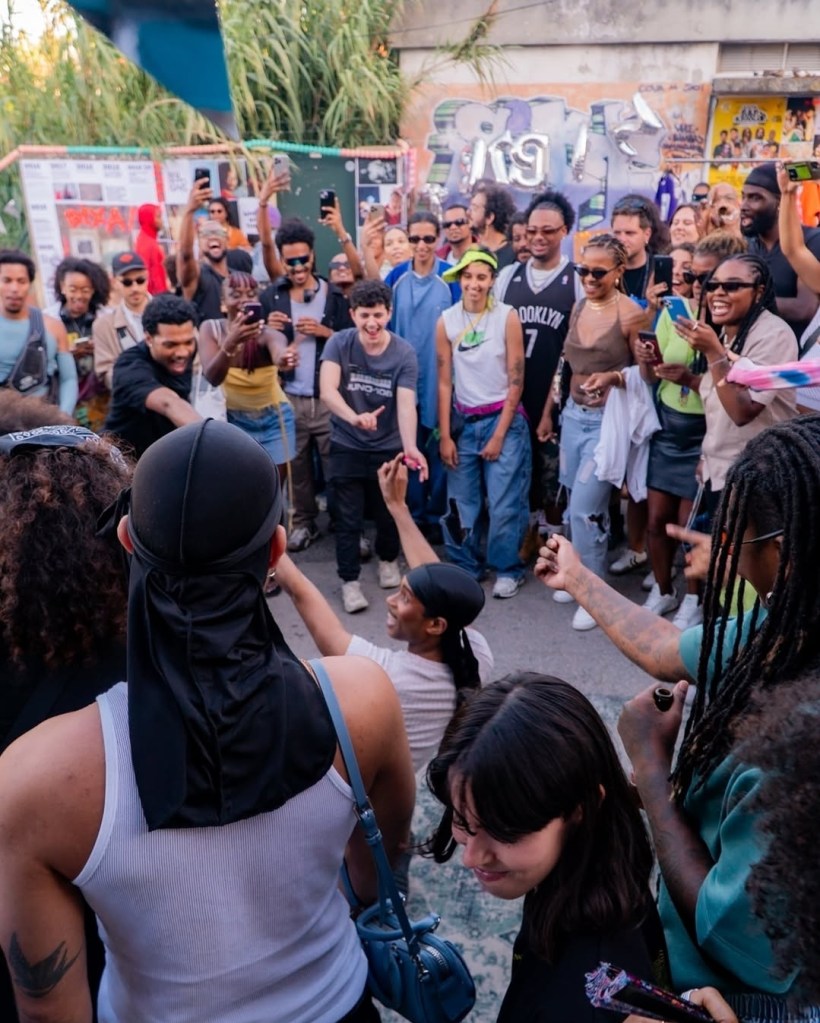
For many queer and trans people, friends and community members become the people who help them find housing, access healthcare or simply make it through another difficult day. They provide the care that institutions and, sometimes, relatives fail to offer.
In a society that continues to marginalise those who fall outside rigid ideas of gender, sexuality and family, these relationships are acts of resistance, proving that love, care and responsibility have never depended on biology alone. Sometimes, the people who choose you become the family that saves you, too.
When the systems around you make it harder to exist with dignity, community then becomes a way of surviving. The people who choose to stand beside you can offer the kind of care, protection and affirmation that institutions so often fail to provide. There’s something quietly powerful about building that kind of support together. In a world that constantly asks some of us to shrink ourselves, choosing one another is its own form of resistance.
None of this means replacing the families we were born into. When those relationships are loving and supportive, they remain just as valuable. Chosen family simply expands our understanding of what a family can look like and builds on mutual care rather than expectation, on trust rather than obligation, and on the shared commitment to show up for one another. Forever working as a reminder that home isn’t always a place or a surname and it can also be the people who make us feel safe enough to be ourselves.
This idea has developed spaces where people can be seen, celebrated and held through uncertainty, grief and joy alike. At a time when anti-trans rhetoric and legislation continue to impact lives across the world, these relationships remain especially vital. For many trans people, particularly those who cannot safely live openly, a chosen family can offer the sense of belonging, security and unconditional acceptance that every person deserves.
And this summer, Pride of Place Leeds is opening up an important conversation about where chosen family and housing justice meet. On 25 July, from 12:30 to 18:00, Pride of Place Living: The Chosen Family Initiative will bring together Black and Brown community members to reflect on the realities of housing insecurity, the structural inequalities that continue to affect queer lives, and the ways chosen families often become lifelines when traditional systems fall short. Tickets are available now.
Share your thoughts! Let us know in the comments below, and remember to keep the conversation respectful.