
Lindsey Graham’s history of opposing LGBTQ+ rights as he dies aged 71
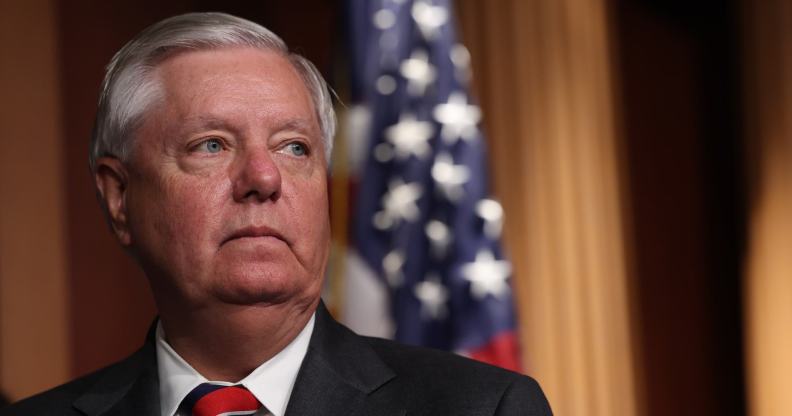
Lindsey Graham (Getty Images)
Republican Lindsey Graham, who represented South Carolina in the US Senate, died on 11 July at the age of 71.
According to the Associated Press, Graham died after a “brief and sudden illness”, with no other details given.
President Donald Trump paid tribute to “one of the greatest people and senators” after Graham’s death, saying he would be “greatly missed”.
During his years in the public eye, Graham – who never married and had no children – repeatedly denied being gay after jokes and insinuations from other public figures.
In fact, not only did he deny being gay, but he regularly opposed LGBTQ+ rights.
Lindsey Graham’s opposition of LGBTQ+ rights

In 1996, Lindsey Graham voted for the Defense of Marriage Act, which meant states were allowed to decline to recognise same-sex marriages performed elsewhere. It defined marriage as between one man and one woman.
He would go on to support a proposed amendment to the constitute to define marriage as between a man and a woman, arguing judges should not be allowed to change the definition.
In 2015, when marriage equality was established across the country after Obergefell v Hodges, he made it clear he opposed it, but would accept the decision despite believing states should be allowed to decide their own marriage laws.
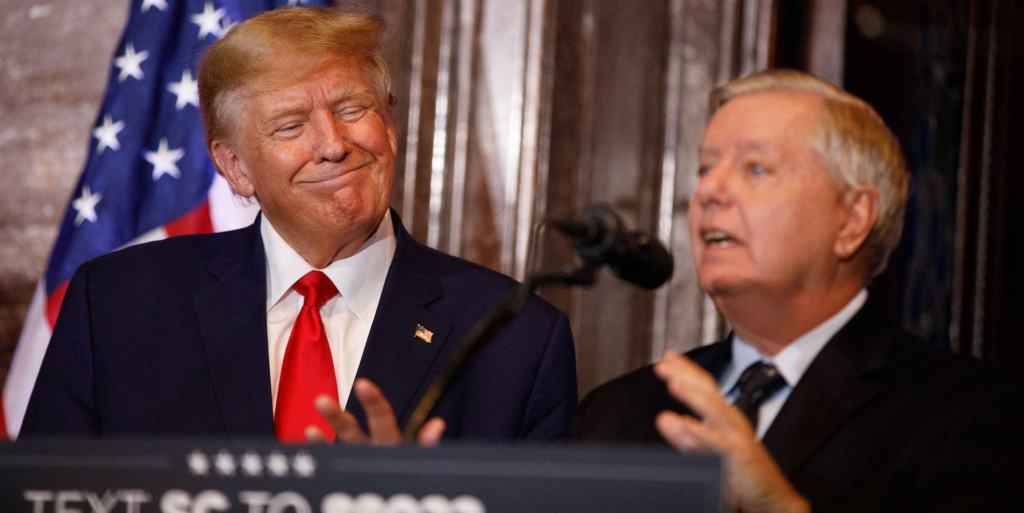
He said at the time: “I am a proud defender of traditional marriage.”
Fast-forward to 2022, Lindsey voted against the Respect for Marriage Act, which repealed the previous Defense of Marriage Act to allow interstate recognition of legal same-sex and interracial marriages.
In 2010, the politician voted against the repeal of “Don’t Ask, Don’t Tell”, which forced LGB service members to hide their sexuality if they wished to be in the military.
In 2013, he voted against the Employment Non-Discrimination Act, which would have stopped sexual orientation or gender identity-based discrimination in the workplace.
Share your thoughts! Let us know in the comments below, and remember to keep the conversation respectful.