
Being queer in Ukraine: tales of citizenship and resistance
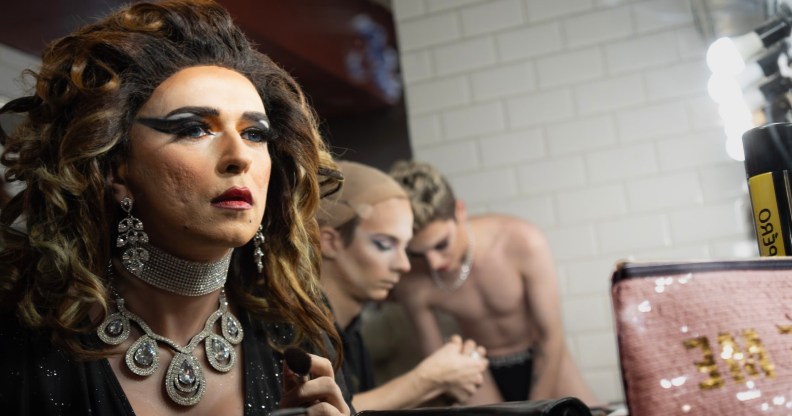
Artur Ozerov-AuRa (J Lester Feder)
LGBTQ+ communities in Ukraine have faced specific challenges since the beginning of the ongoing war against Russia. A new photobook by J LESTER FEDER documents their experience. Feder talks to CONNOR O’BRIEN about war, civic duty, and the desire of authoritarian regimes to suppress LGBTQ+ voices.
Interviewing queer Ukrainians in his role as a research fellow with LGBTQ+ charity OutRight, J Lester Feder did not initially focus on taking portraits of his subjects. But these now form the the basis of his new photobook and accompanying exhibition, The Queer Face of War. “I would just ask people at the end of the interview ‘Would you mind having your picture taken?'” In other war zones that Feder had covered, the answer was usually no. But Ukraine was different. “Everybody would start saying ‘yes’.”
Presenting portraits and profiles of queer Ukrainians, The Queer Face of War offers intimate and candid documentation of the community’s experience of Russia’s invasion – and of their contributions to Ukraine’s democratic resistance.
The keenness to participate in the project emanates, at least in part, from the need for LGBTQ+ Ukrainians to protect their visibility. “After my second trip, I realised we had the opportunity to create the first-ever visual history of a queer community in war and tell this very particular story about the way that homophobia was weaponised by Moscow,” Feder explained. “Though it began in some ways in that region, [the weaponisation] has really become part of a global effort to attack democracy and human rights by authoritarian leaders.”
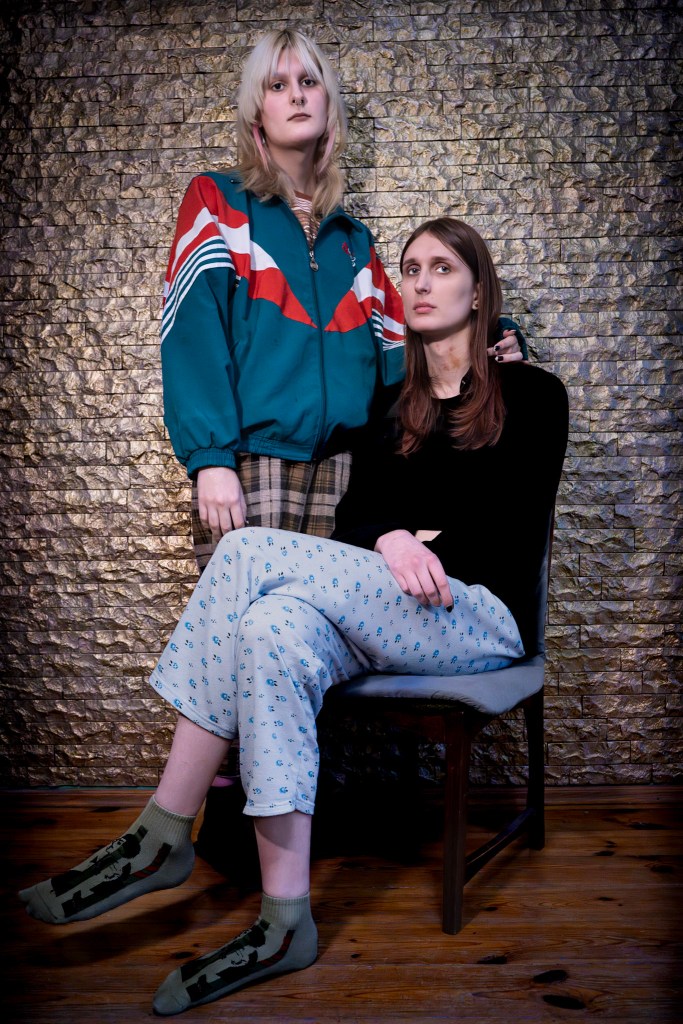
LGBTQ+ communities present a specific challenge to authoritarian rule, and so often have their right to free expression – and their civic rights generally – suppressed. “[What we do know … is that there are several serious accounts of queer people being targeted for torture and violence … by Russian forces, particularly in Kherson.” The city of Kherson, bordering the annexed Crimea region, was occupied by Russian forces between March and November 2022. “There’s no way to prove it, but my sense is that it was the largest LGBT population under occupation,” Feder told Index.
Organisations such as the Ukrainian LGBT Military and Veterans for Equal Rights are part of what Feder refers to as “the Ukrainian LGBT movement’s investment, more broadly, in democratisation and Europeanisation in Ukraine”. LGBTQ+ groups, Feder said, have grasped this opportunity to play an active role in the Ukrainian resistance. “It’s a real model, I think, of the ways that marginalised groups can continue to work for their rights at a moment of real national crisis.”

Visibility is not just about being seen. Asserting citizenship by assuming the responsibilities that come with this is also important. “I think a lot of queer people live with a lot of self-censorship in the first place,” Feder said. “The work of LGBT Military is really crucial here. They turn their Instagram feed just into a constant drumbeat of pictures and stories of queer soldiers … [creating] this whole cultural moment of encouraging coming out.” Participating in the national effort – being seen to be participating – is having an impact beyond the battlefields of the war. “The visibility that they created for queer soldiers [has] contributed to a sea-change in attitudes towards LGBT people that has shown up in opinion polls and in things like grassroots efforts to get partnership rights for LGBT soldiers.”
It’s a different story in Russia. Queer people face more censorship than ever with the evolution of the country’s now decade-old “gay propaganda” law.
Feder explained that initially, the law had a different objective. “It was used almost exclusively as a tool to harass activists. The threats were not major, and it didn’t really hinder a lot of LGBT rights work.”
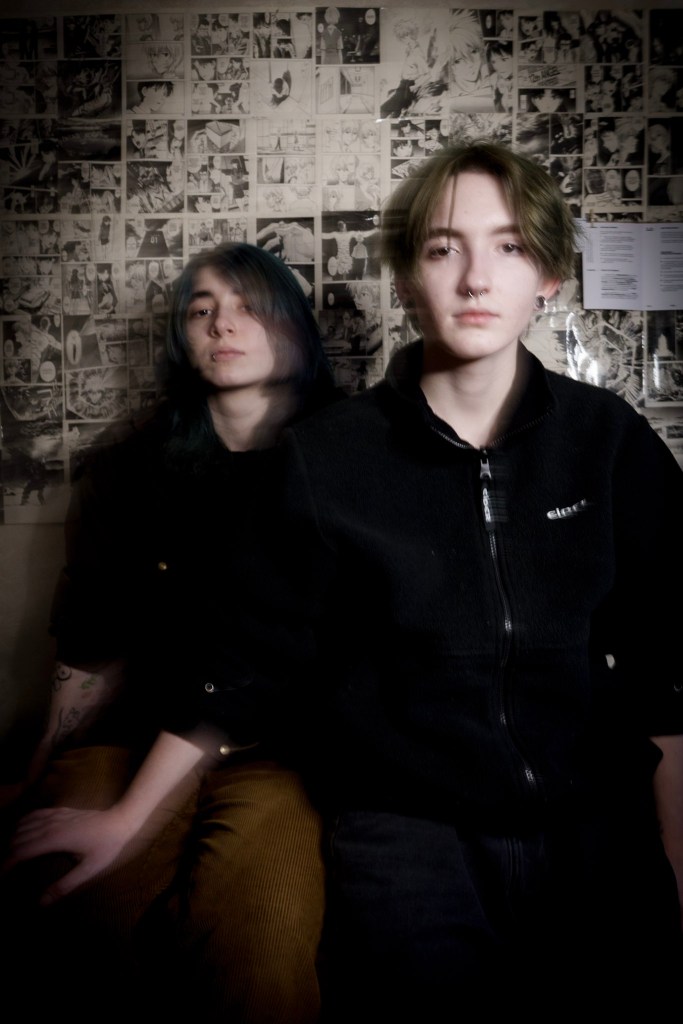
But this changed after the commencement of Putin’s “special operation” in Ukraine in February 2022. The Side-by-Side film festival in St Petersburg, Feder told Index, “shrunk dramatically” when the war began. “The first thing the Duma did was they passed legislation that prohibited any talk of queerness to any age group.”
A 2023 ruling by Russia’s Supreme Court designated the “international LGBTQ+ movement” an extremist organization. Merely participating in activities supporting LGBTQ+ rights can now result in a lengthy jail sentence. A degree of tolerance has been replaced, Feder said, by the real threat of persecution. “As long as you weren’t involved in activism, you could be queer and relatively safe, particularly in a city like Moscow or St Petersburg. And that’s really changed.”
Despite the visible impact of projects like The Queer Face of War on free expression issues, it is not at
all clear that they have a future. US State Department funding for similar initiatives ended when Donald Trump began his second term in office, and Feder had to self-fund the production of his photobook. “I would love to have an opportunity to keep working on that and these issues more broadly, but it’s just not feasible for me.”
The Queer Face of War: Portraits and Stories from Ukraine was published in 2026, and was featured in the official “Offstage” programming at the 2026 Eurovision Song Contest in Vienna.
This article was first published by Index on Censorship on 13 July 2026. It appeared in Volume 55, Issue 2 of Index on Censorship’s print magazine, titled: The Art of War: How artists and writers battle with censorship in times of conflict. Read more about the issue here.
Share your thoughts! Let us know in the comments below, and remember to keep the conversation respectful.