48% of LGBTQ+ folk in UK feel more accepted – but pessimistic about future

Stonewall has surveyed LGBTQ+ people in the UK (Getty Images)
Stonewall‘s new report – LGBTQ+ Life in the UK: 2026 – has revealed a difficult look into how the community feels about equality, belonging, safety, health, work and the future.
It follows the charity’s previous reports, LGBT in Britain, which were published between 2018 and 2020. The survey now reflect Stonewall’s inclusive approach to all lesbian, gay, bisexual, trans+ and queer people across the UK.
Equality
The report found that less than half (48%) of those surveyed (via YouGov) felt acceptance of LGBTQ+ people has increased in the last 10 years, while 32% said it was lower. The data gave a bleaker story from trans+ people, with 58% believing acceptance was now lower.
The legalisation of same-sex marriage was identified as a significant improvement to LGBTQ+ equality by 20% of those surveyed.
However, just 24% felt optimistic about the future of LGBTQ+ equality in the UK, while 50% felt the opposite. That was especially true among the trans+ people surveyed, with 80% feeling pessimistic about their future. Younger people (aged 18 to 24) were most likely to feel pessimistic about the future, while older people (65+ years old) were optimistic.
Belonging
The survey found that LGB+ people were more open about their sexuality with family in Wales than elsewhere in the UK (75%), while in general 67% were “fully” or “somewhat” open.
Bisexual people were less likely to be open with their family compared with the overall LGB+ population (56%), and those from ethnic minorities were even less so (44%).
For trans+ people, 52% were open with family and 85% were open with friends, though non-binary people were less likely to be (40%).
Of the LGB+ people surveyed who were open with their family, 93% felt accepted.
The survey found that there was a strong link between openness and acceptance, and feelings of happiness.
Safety
Official date shows that hate crimes against LGBTQ+ people in the UK is still high – with police-recorded hate crimes based on sexuality or gender identity higher than five years ago. However, many go unreported to police.
Those surveyed were most likely to have been discriminated against on public transport, at a hospitality venue or in a shop/shopping centre. Trans+ people were the most likely to have experienced discrimination in any of the settings asked about, which also included looking for a house or apartment, visiting places of worship, or at an educational institution, among others.
Verbal harassment or intimidation were the most common forms of hate crimes (19%), followed by sexual harassment (12%). Women were more likely to have experienced sexual harassment (18%), sexual touching (10%) or sexual assault (3%), compare to men.
Since the April 2025 Supreme Court ruling of the Equality Act, single-sex spaces have become a talking point across the country, especially within politics.

One in five trans+ people have been questioned about their sex assigned at birth in single-sex spaces, such as public toilets or changing rooms, with that figure being higher among trans men (41%), despite most of the public discourse centring on trans women.
However, it is affecting more than just trans+ people, with 11% of lesbians reporting having been questioned, more than double the average for a cisgender LGB+ respondent.

Health
For many LGBTQ+ people, being open about their sexuality and/or gender can be important when it comes to healthcare providers giving informed, respectful and sensitive care. However, 20% are either “not very open” or “not open at all” with healthcare professionals.
Gay men and lesbians were more likely to be open about their sexuality (85% and 80% respectively), compare to bisexual men and women (68% and 64%).
Eighty-nine per cent of LGB+ people felt accepted by healthcare providers when it came to their identity, while 74% of trans+ folk felt the same.
Even so, 10% of all LGBTQ+ people reported difficulties accessing healthcare due to their sexuality or gender, while that figure was 33% for trans+ people specifically.
Work
Of those surveyed, 69% felt there were certain factors relating to their orientation or gender identity that came into consideration when deciding where to work.
Almost half (49%) wanted to be able to feel open about their sexuality, and for the workplace to have transparent equality policies. Other factors included seeing examples of LGBTQ+ inclusion on the organisation’s website (35%), senior management who are LGBTQ+ (30%), or seeing senior management represented on DEI networks (30%).
For trans+ people specifically, the most important factors were being addressed with the correct name and pronouns (70%), feeling able to be open about their gender identity (68%), transparent equality policies (67%), feeling able to wear clothing representing their gender identity (63%), and feeling able to be open about their sexuality (60%).
Future
The survey found that many LGBTQ+ feel they face barriers about their future, whether that’s linked to starting a family, a financial future or planning for care as they age.
Most LGBTQ+ people (57%) said they did not plan to have children. But of those that did hope to have children, 24% felt services available (such as IVF) were “too expensive” and 13% felt that “NHS eligibility requirements are too strict”.
The same financial burden is often not felt by heterosexual couples. Female same-sex couples are often required to self-fund six to 12 cycles of IUI (also known as artificial insemination) before they are eligible to access IVF, while heterosexual couples must try to conceive unassisted for a certain period of time.
In terms of finances, 55% of those surveyed did not have confidence in being financially secure in retirement.
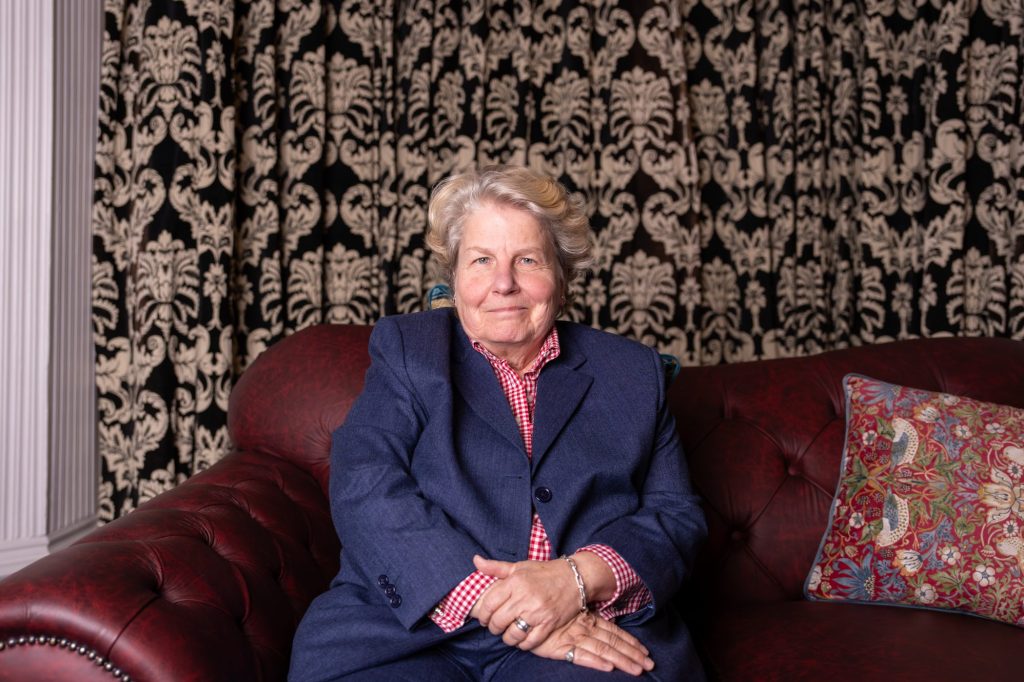
‘Equality is not only achievable but inevitable’
Sandi Toksvig, who wrote the foreword for the report, said: “Equality is not only achievable but inevitable, even when progress is hard to see. But inevitable does not mean automatic.
“It takes work, and it takes evidence like this to show those in power exactly what needs to change. Prejudice thrives on silence and assumption. Data does not leave much room for either.”
Share your thoughts! Let us know in the comments below, and remember to keep the conversation respectful.