US joins Egypt in bid to remove LGBTQ+ rights language from UN resolution

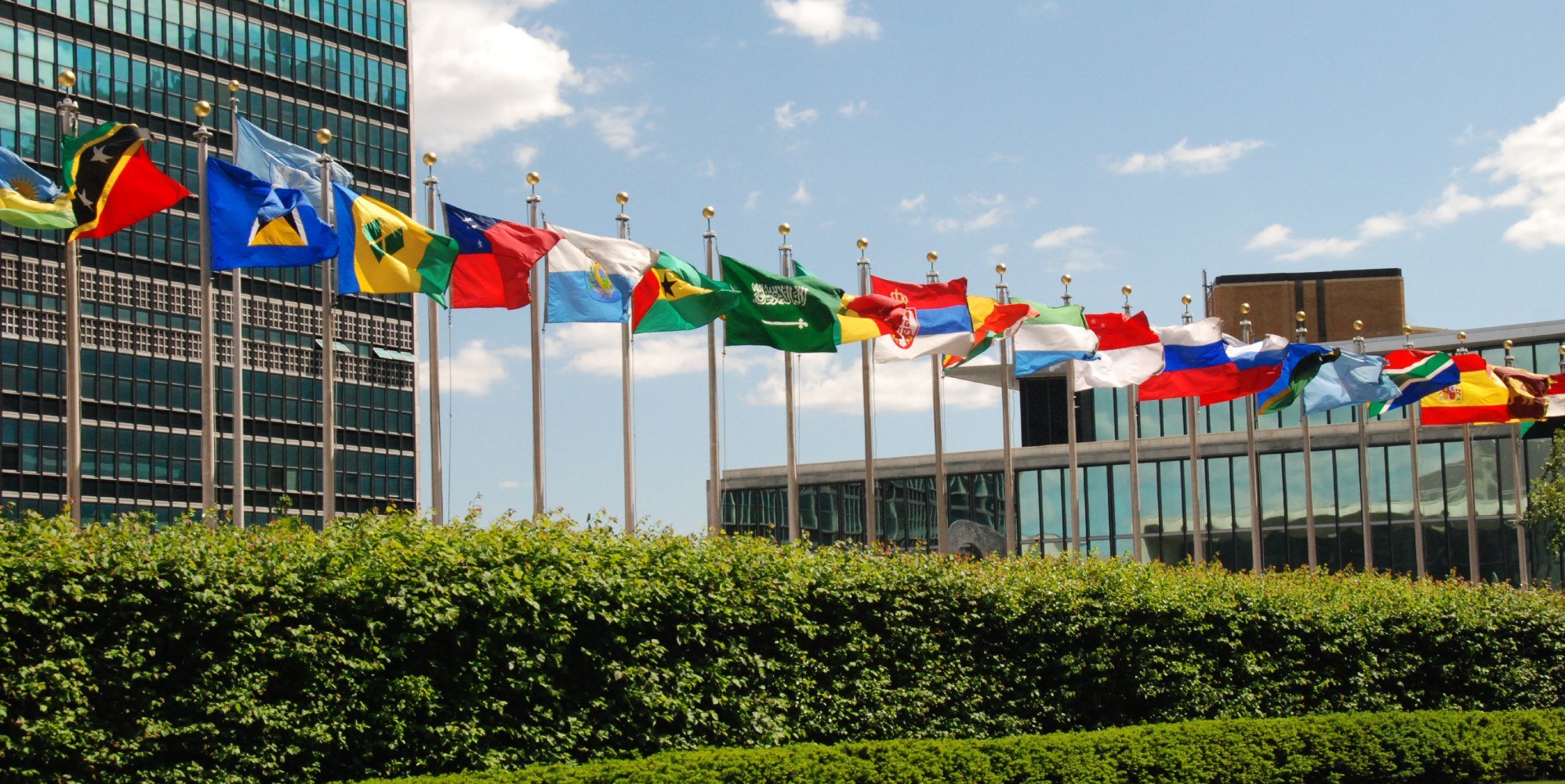
The amendment was rejected 74–69, with 24 abstentions and 26 members not voting. (Getty Images)
The US backed an Egypt-led attempt to remove references to “sexual orientation and gender identity” from a UN resolution on unlawful killings, marking its first vote for such a change since the language was added in 2002.
On 13 November, the UN General Assembly Third Committee considered an amendment to a draft resolution on extrajudicial, summary or arbitrary executions.
The UN amendment text sought to replace “their sexual orientation or gender identity” with “any other considerations that make them at heightened risk of extrajudicial, summary or arbitrary executions”.
The amendment was rejected 74–69, with 24 abstentions and 26 members not voting. The US was among the 69 countries voting in favour of removing the LGBTQ+ language.
After the amendment failed, the committee approved the wider resolution with the LGBTQ+-inclusive language intact, passing it 131–0 with 47 abstentions and 15 not voting.
Outright International global researcher Ohotuowo Ogbeche warned that “replacing ‘sexual orientation or gender identity’ with ‘any other considerations’ makes these victims invisible.”
What was the UN vote about?
The resolution urges states to investigate and prosecute unlawful killings and highlights groups at heightened risk of targeted violence. References to sexual orientation were first added in 2002, and gender identity was added in 2012.
Outright’s Killed for Who They Are International report documented over 230 targeted killings of LGBTQ+ people between January 2020 and July 2026.
“Behind every case in our report is a grieving family and community, often still waiting for an investigation or justice. This resolution is a source of hope for them: that they can legitimately look to their governments to help give them answers,” Ogbeche said.
Could the LGBTQ+ wording face another challenge in December?
Campaigners also pointed to the shrinking margin. A comparable amendment failed 78–47 in 2024, making this year’s 74–69 result far tighter.
International Service for Human Rights programme director Tess McEvoy said: “The Third Committee held the line, but a five-vote margin shows that the right to life of LGBTIQ people is being treated as negotiable.”
The resolution is expected to go to a plenary vote in the full UN General Assembly in December, where a similar amendment could be raised again. In March, the UN overwhelmingly voted against considering a US proposal that would define “gender” as referring only to men and women, with 23 countries voting with Belgium, 17 abstaining and just two voting in line with the United States.

The US is a permanent member of the UN Security Council and a major diplomatic actor whose UN votes are closely watched by allies and rights groups. The US position on international human rights language can shift between administrations, even as federal LGBTQ+ rights have advanced in some areas while remaining contested in others.