Cancer cases among trans people in England could more than double in a decade, study warns

Person in hospital with trans flag colours (Getty Images)
A modelling study published in eClinicalMedicine estimates that annual new cancer cases among transgender and gender-diverse people in England could increase from about 965 at present to roughly 2,257 over the next 10 years.
Led by researchers at Queen Mary University of London, the study estimated annual new cases could climb to around 1,739 in five years, before reaching around 2,257 within a decade.
It was billed as the first study to estimate how many new cancer cases occur each year among transgender and gender-diverse people in England, drawing together national cancer statistics, population data and existing research into the possible impacts of gender-affirming healthcare.
It noted that transgender and gender-diverse people may face barriers to screening and treatment, including concerns about discrimination, healthcare environments that do not meet their needs, and uncertainty about eligibility for screening programmes.
Lead author Dr Alison Berner said: “Our research suggests that, in England, cancer cases among transgender and gender-diverse people could more than double in the next decade.
“This highlights an important and often overlooked area of cancer care. As this population ages, we need to ensure cancer services are prepared to meet patients’ needs and that everyone can access appropriate screening diagnosis and treatment.”
Which cancers were most common in the estimates?
The modelling estimated breast cancer would be the most common, accounting for approximately 19% of cases. Colorectal cancer was estimated at 12%, followed by lung cancer at 11%.
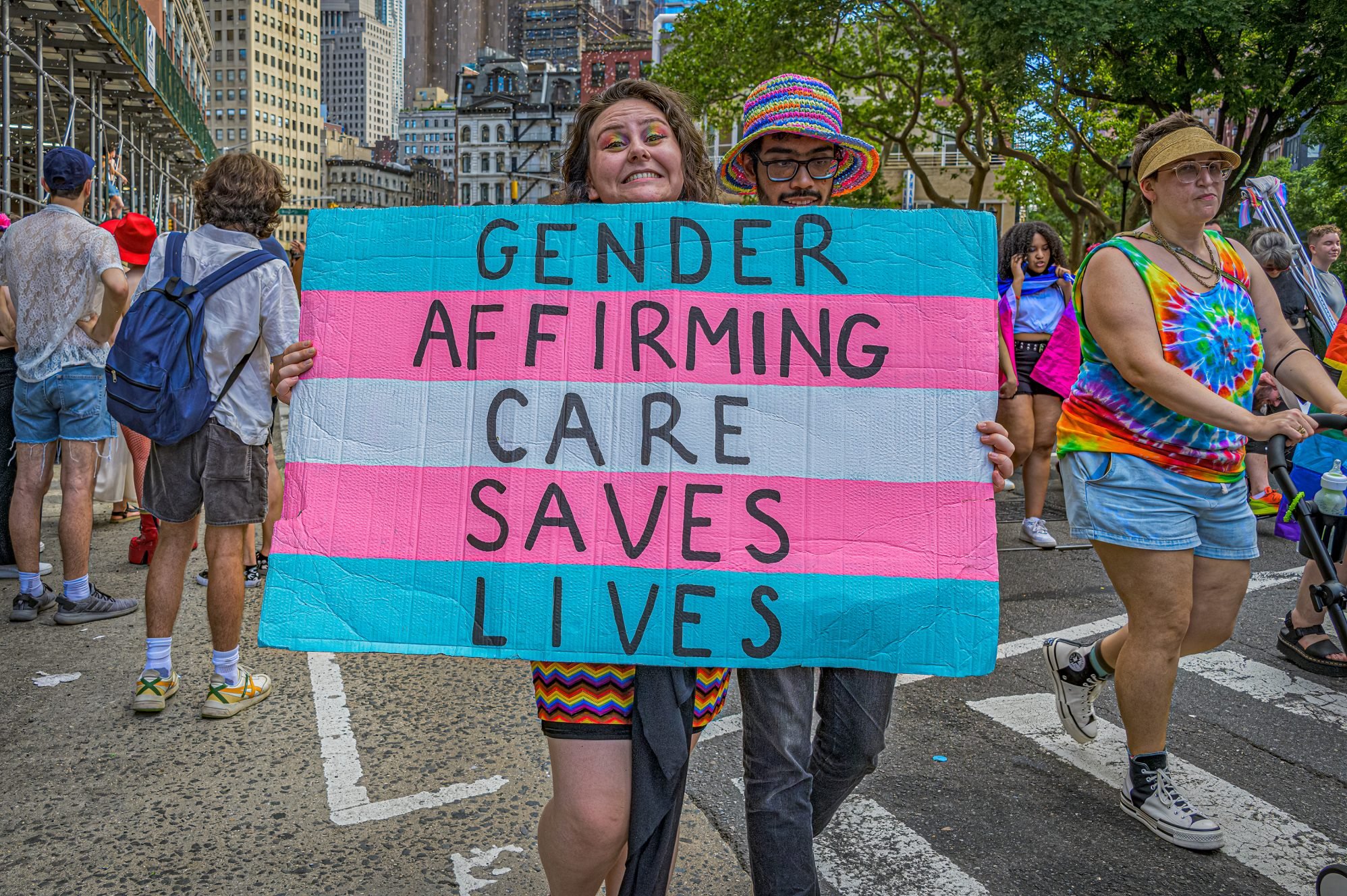
Researchers said the findings highlighted the need for cancer services to prepare for changing needs, including improvements in screening, healthcare professional training and the collection of patient data.
It also pointed to a shortfall in the data: cancer registration systems currently do not reliably separate sex characteristics from gender identity, which makes it hard to accurately map cancer trends and plan services.
Could access to gender-affirming care affect the projection?
The researchers also modelled the potential impact on future cancer case numbers of access to gender-affirming care, such as hormone treatment and surgery.
Their modelling suggested that if transgender and gender-diverse people were able to access the gender-affirming care they planned to receive, the projected annual number of cancer cases in 10 years could be approximately 11% lower, at about 2,006.
Co-lead author Dr Chloe Pasin said: “Cancer care is not one-size-fits-all. Our findings suggest that gender-affirming treatments could reduce the likelihood of developing some cancers, while potentially increasing the risk of others. Understanding these differences is essential to care. But we also need better data to build a clearer picture of cancer risks among transgender and gender-diverse people and make sure their needs are not overlooked.”

In 2024, medical experts warned that thousands of trans people in England could be missing out on routine cancer screenings.