
Trans influencer says ‘transphobia’ pushed her to get bottom surgery she ‘regrets’
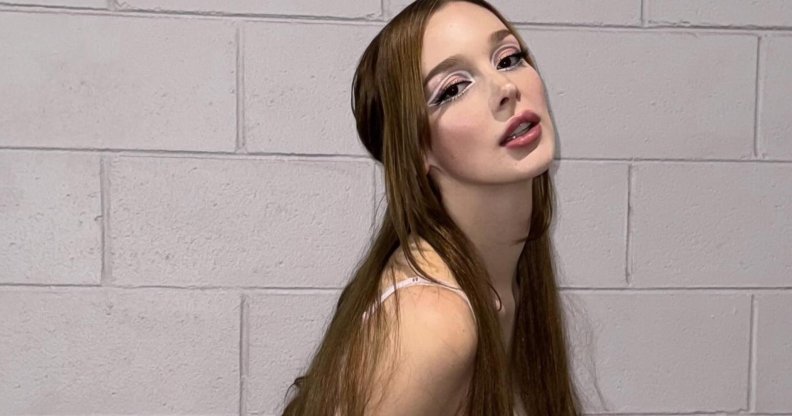
Grace Hyland has spoke of her experience with gender-affirming surgery (Instagram/grace.hylandd)
Transgender model Grace Hyland has shared that she “deeply regrets” having gender-affirming bottom surgery in 2019, which she says was “to fit society’s disgustingly perfectionistic ideals of what a woman should be”.
The Australia influencer, 26, daughter of Home and Away actor Mat Stevenson, came out as trans at the age of 12 – something she does not regret. She previously spoke out against the idea that she regrets transitioning, after her image was used in an Australian show about de-transitioning without her knowledge.
Speaking in a series of Instagram videos, Hyland made it clear her experience was her own, explaining she fully supported gender-affirming bottom surgery for people who feel it is right for them.
‘I did not do this surgery for me’
She said: “I did not do this surgery for me. I did this surgery to fit society’s disgustingly perfectionistic ideals of what a woman should be. I did not have bottom dysphoria.”
Hyland spoke of the difficult time she had after her surgery, saying she went through with it because she “had a lot of internalised shame and guilt”.
She went on: “I’m so thankful that I got the opportunity to go on hormone replacement therapy at a young age, and my passing privilege has made my life so much easier than what it would have been. It gave me bodily autonomy and control over my own life, and that is something that really helped me, and I genuinely felt seen for the first time in my life.”
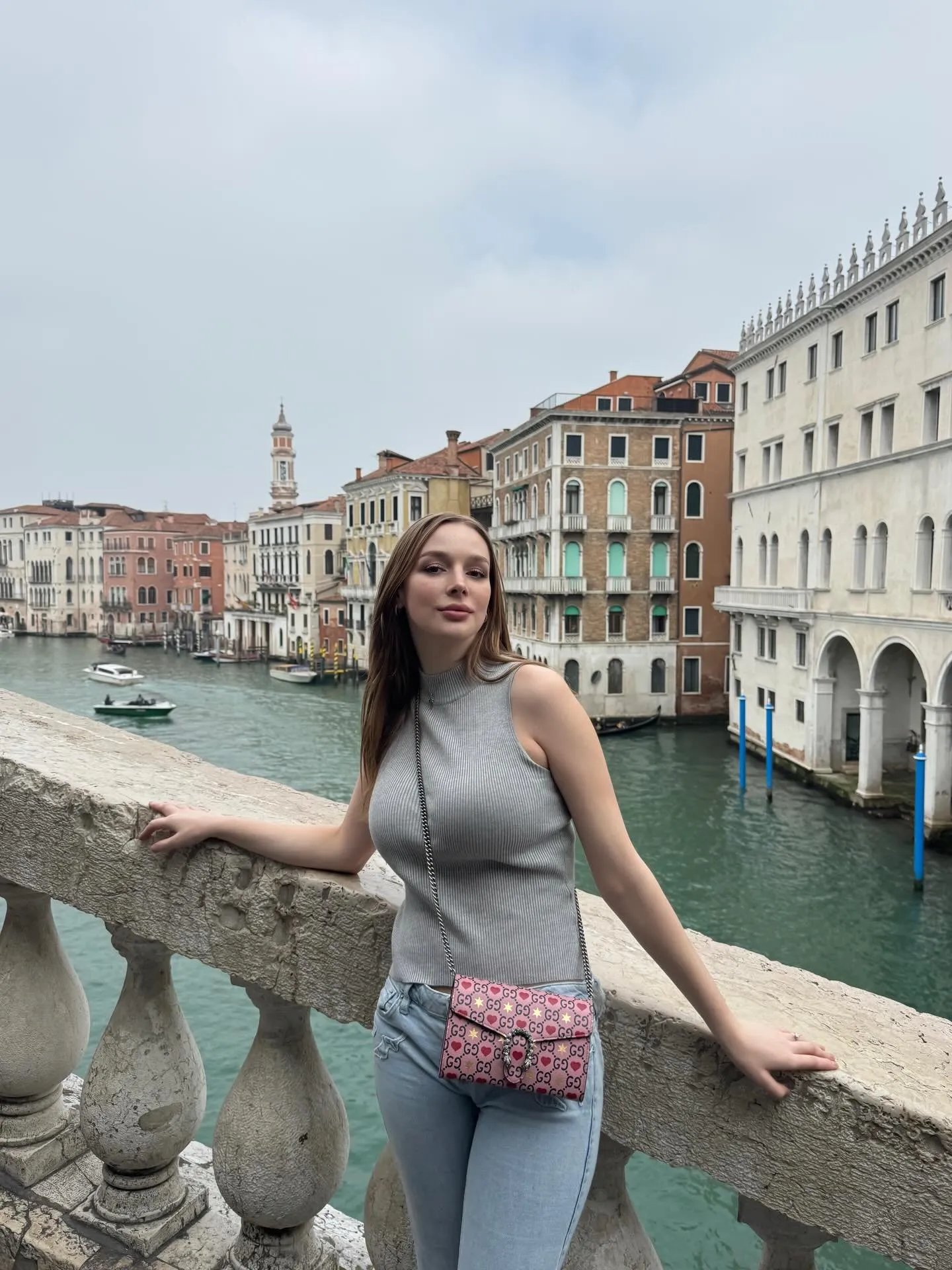
She said transphobia, as well as feelings of “shame and guilt” she’d had “pushed [her] so far that [she] felt like [she] had to prove that [she] was a woman”.
Hyland went on to say that she had no complications from her surgery, praising her surgeon, but she was now doing the “inner work” to deal with how she felt about it.
‘I don’t want this to be used as ammunition against the trans community’
She explained she hoped her speaking out would help other trans or intersex people in a similar position, saying: “I didn’t have bottom dysphoria. I had shame, and it took getting the surgery to realise that.”
In a follow-up video, she made it clear she didn’t want her own experience to take away from trans people who do have bottom dysphoria.
She said: “It’s amazing that we have surgeons who can do this for people who need it, and I do not support taking this away from people.”
Hyland added: “I don’t want this to be used as ammunition against the trans community. Every trans person is different. Every person’s dysphoria level is different.”

Share your thoughts! Let us know in the comments below, and remember to keep the conversation respectful.