How safe are 2026 World Cup host countries USA, Canada and Mexico for LGBTQ+ fans?
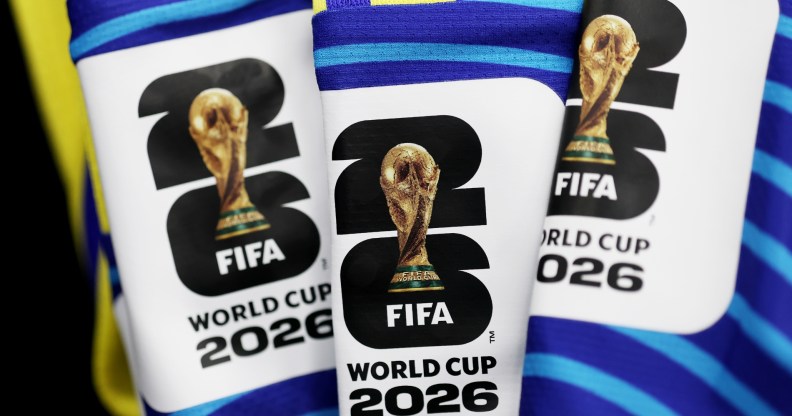
FIFA World Cup 2026 has got LGBTQ+ football fans talking about the safety of the host nations.. (Steph Chambers/Getty)
Football is heading across the Atlantic for the 2026 World Cup, but for LGBTQ+ fans, it’s not all celebration.
The 23rd edition of the FIFA World Cup tournament began on June 11 and is scheduled to conclude on July 19.
This year, the World Cup is being hosted by three nations for the first time. The tournament is being jointly hosted by 16 cities: 11 in the United States, three in Mexico, and two in Canada.
For LGBTQ+ fans, it’s a complex situation. This year’s tournament will see Pride House (a safe and welcoming environment for queer fans and allies) have locations in all 16 host cities. It’s an improvement over the previous World Cups in Russia and Qatar.
However, a precedent has already been set by England’s football team’s LGBTQ+ fan group, Three Lions Pride, which stated it will not attend. The group’s reasoning was that it cannot advise members that they will be safe as openly LGBTQ+ fans.
This adds to ongoing disputes over tournament policies on fan expression, including context about FIFA and calls to ban Pride flags at World Cup fixtures, as well as a travel warning for the 2026 World Cup over safety concerns for LGBTQ+ fans.
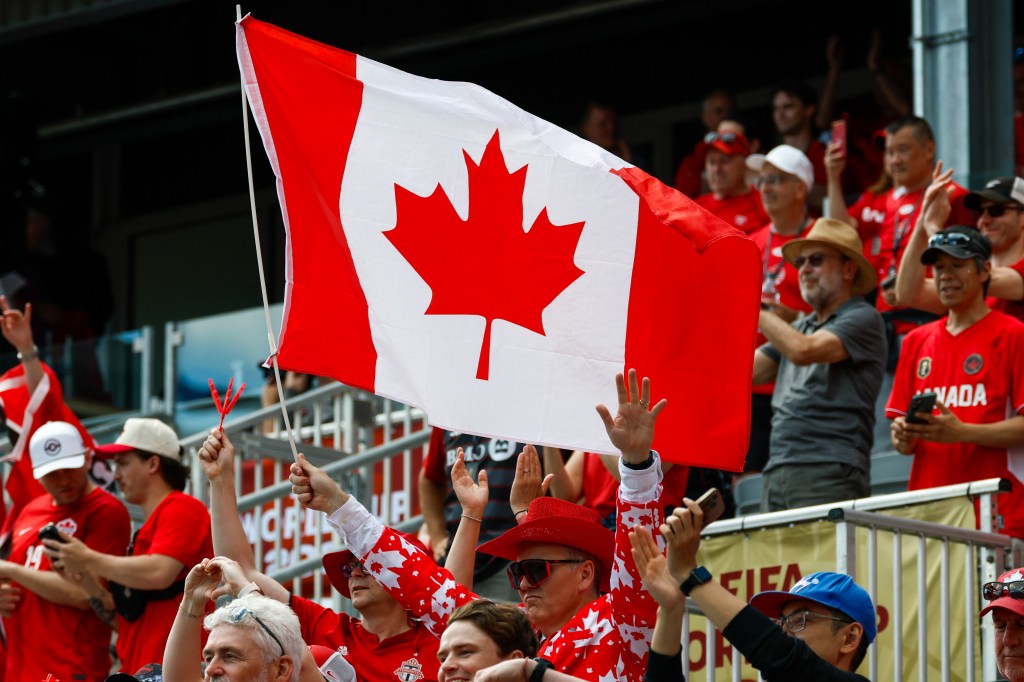
Canada
Canada will be the host of 13 games across two cities. Of the three host countries, Canada, on paper, has the most inclusive LGBTQ+ rights and cultural acceptance.
In the country, there is federal legal protection against discrimination based on sexual orientation and gender identity and expression.
Furthermore, robust legal protections include coverage of hate crimes. Canada recognises crimes motivated by bias, prejudice, or hate based on sexual orientation or gender identity as aggravated factors in sentencing.
Canada was the fourth country in the world, the first in the Americas, to legalise same-sex marriage. Also, it was the third country in the world, the first in North America, to ban conversion therapy nationwide for minors and adults.
In 2023, Canada was referred to as the most gay-friendly country in Asher & Lyric’s LGBTQ+ Danger Index. In 2024, it ranked first on the Gay Travel Index and ninth on the Equaldex Equality Index.
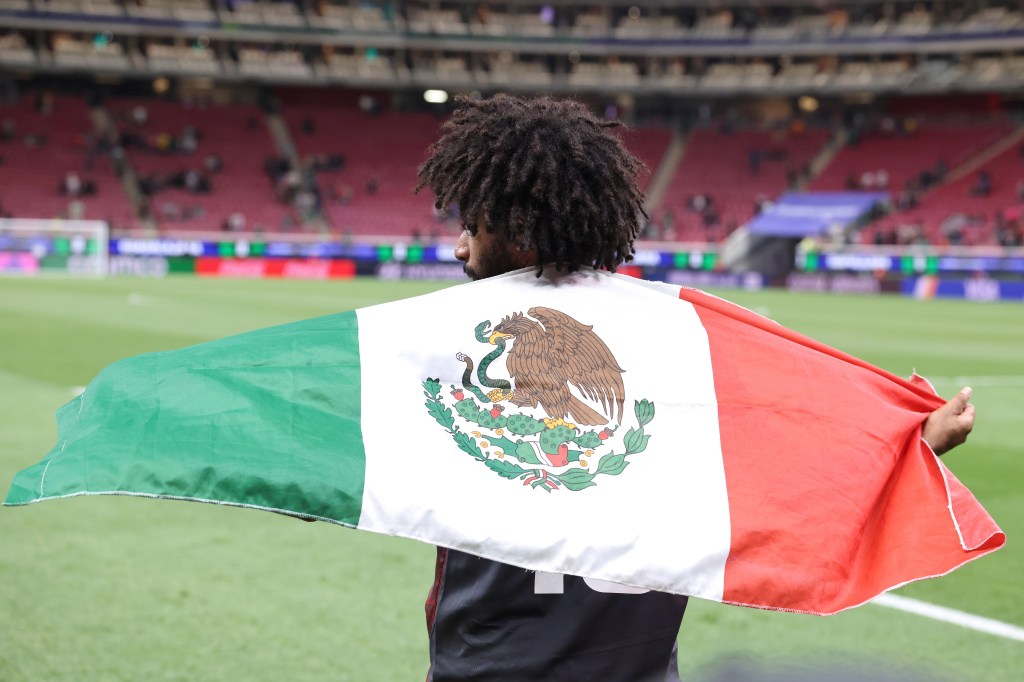
Mexico
Mexico will host 13 games across three cities: Mexico City, Guadalajara, and Monterrey.
In Mexico, LGBTQ+ rights are among the most progressive in Latin America. In the country, there are constitutional protections against discrimination. Mexico ranks 25th on the Equaldex Equality Index.
Though there are protections, the country does face high rates of LGBTQ+ hate crimes. Mexico reportedly has the second-highest rate of LGBT hate crimes in Latin America.

According to Statista, last year the number of LGBTQ+ hate crime aggressions in Mexico was the highest it’s been since 2014. At least 148 LGBTQ+ hate crimes were reported, with certainly more going unreported.
“In Mexico, LGBTQ+ people have suffered horrific violence over the past few years. The Mexican government has done very little to protect them,” a report published on the London School of Economics site reads.
Furthermore, in recent friendly matches ahead of the World Cup tournament, a homophonic chant was reportedly used by fans. The chant, a one-word slur that means male prostitute in Spanish, usually occurs when the opposing goalkeeper is taking a goal kick.
Mexico currently has appeals against a FIFA punishment over a 2024 match pending before the Court of Arbitration for Sport. The ongoing dispute over fans chanting anti-gay slurs certainly raises questions over LGBTQ+ fans’ safety at the 2026 World Cup.
FIFA has partnered with the Fare Network to send observers to all World Cup games to listen for discrimination.
USA
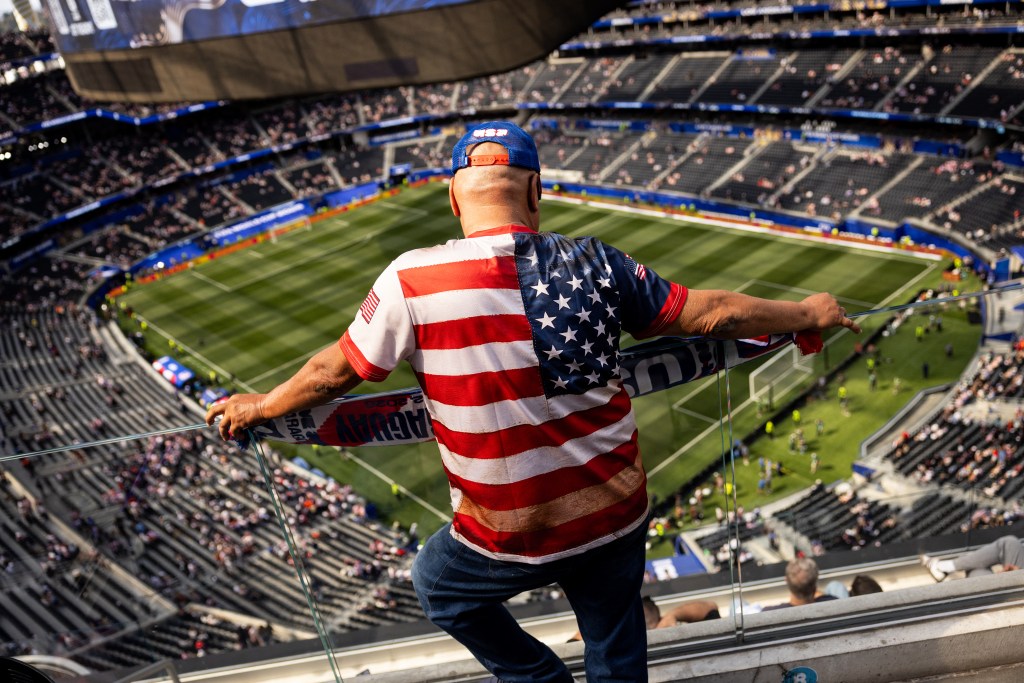
Though there are games in Canada and Mexico, the majority of games will be played in the USA.
Ahead of the tournament kick-off, Human Rights Watch released a reporter’s guide outlining the “climate of fear” in the US.
The 79-page report highlights the risks that the US government’s policies pose to LGBTQ+ journalists, fans and players.
Amongst warnings over the current political administration’s actions, the report details the restriction and withdrawal of support for LGBTQ+ rights in the USA.
Since returning to the White House for his second term, Trump has signed several executive orders, stripping the rights of LGBTQ+ people, specifically trans folks.
Orders include stating in the US that there are “only two sexes”, banning transgender people from serving in the military, restricting gender-affirming healthcare for trans youngsters under the age of 19 and barring trans women and girls from female sports.
According to the Spartacus Gay Travel Index, the US dropped from 41st place in 2024 to 47th place in 2026.
The US often has different legislation state by state. The World Cup host states, Florida and Texas, are two of the country’s most restrictive.
The situation of LGBTQ+ rights in Florida is complex, with a divide between local ordinances and state laws. The most publicised law in the state was the 2022 ‘Don’t Say Gay’ bill, which restricted education on sexual and gender identity. This year, the ‘Don’t Say Trans’ bill sought to censor the existence of transgender individuals in public schools nationwide.
In Texas, there are federal protections, like marriage equality. However, the state lacks comprehensive state-level protections. For instance, Texas University introduced a ban on the teaching and research of LGBTQ+ topics across its academic programmes.
On the other hand, California, which is hosting eight matches, is among the country’s most inclusive states for LGBTQ+ people. Similarly, New York and New Jersey, which will host the World Cup final, also have strong protection for LGBTQ rights and anti-discrimination laws.
Share your thoughts! Let us know in the comments below, and remember to keep the conversation respectful.