
An LGBTQ+ roundup of the 2026 World Cup, from Pride games to boycotts
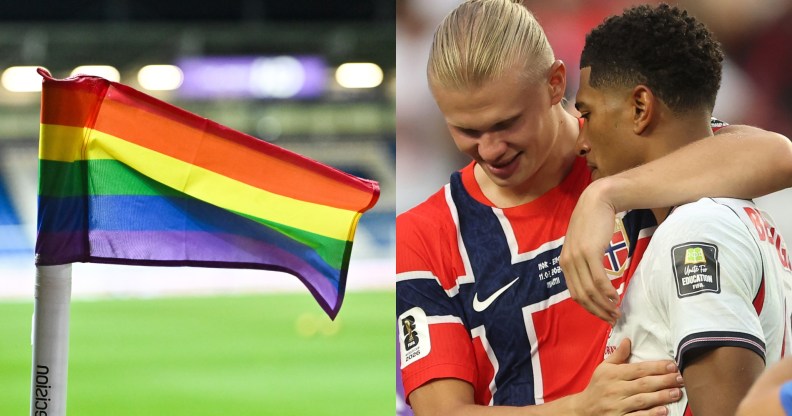
The 2026 World Cup has been an interesting event for LGBTQ+ fans. (Kevin Hodgson/Richard Pelham/Getty)
Football may not be coming home, but the 2026 FIFA World Cup has been an illuminating event for LGBTQ+ fans.
This year, the tournament was jointly hosted by three nations (United States, Mexico and Canada) for the first time.
The 2026 World Cup will conclude after 104 matches involving 48 teams across 16 cities. All the while, it’s been a mixed bag for LGBTQ+ football fans.
Here is all the LGBTQ+ news from this year’s World Cup…
The Pride Match
The infamous Pride game between Iran and Egypt certainly raised eyebrows when it was announced. Neither country has a positive track record with LGBTQ+ rights.
Same-sex activity is punishable by death in Iran. In 2021, a United Nations report found the Islamic Republic of Iran imposed electric shock torture on LGBTQ+ children, among other human rights violations.
Homosexuality is not technically illegal in Egypt. However, queer people face high levels of discrimination and can be convicted for “debauchery”, “indecency” and “scandalous acts”.
The Seattle World Cup host committee designated the Group G match on Friday as the first-ever Pride match. Despite both countries protesting the match, the Seattle organising committee stuck to their guns.
Mehdi Taj, the head of Iran’s Football Federation, said both countries due to take part have raised “objections.” According to The Straits Times, Taj called the ‘Pride match’ an “irrational move that supports a certain group.”
‘We are all focused on football’
FIFA president Gianni Infantino said in January that “there will be no ‘Pride Match’ at the World Cup”, but acknowledged the local, external organisers marketing it as that.
In a pre-match interview, both teams’ coaches pushed back on Pride-related questions.
Iran head coach Amir Ghalenoei said he was not there to speak about “anything that is banned in our league”, adding: “All our thoughts are focused on football, the beautiful game, our people, our success,” and stressing the team would only speak about football.
Egypt head coach Hossam Hassan echoed that stance, saying: “We are all focused on football, it is all we think about and FIFA is of course taking care of the organisational side.”
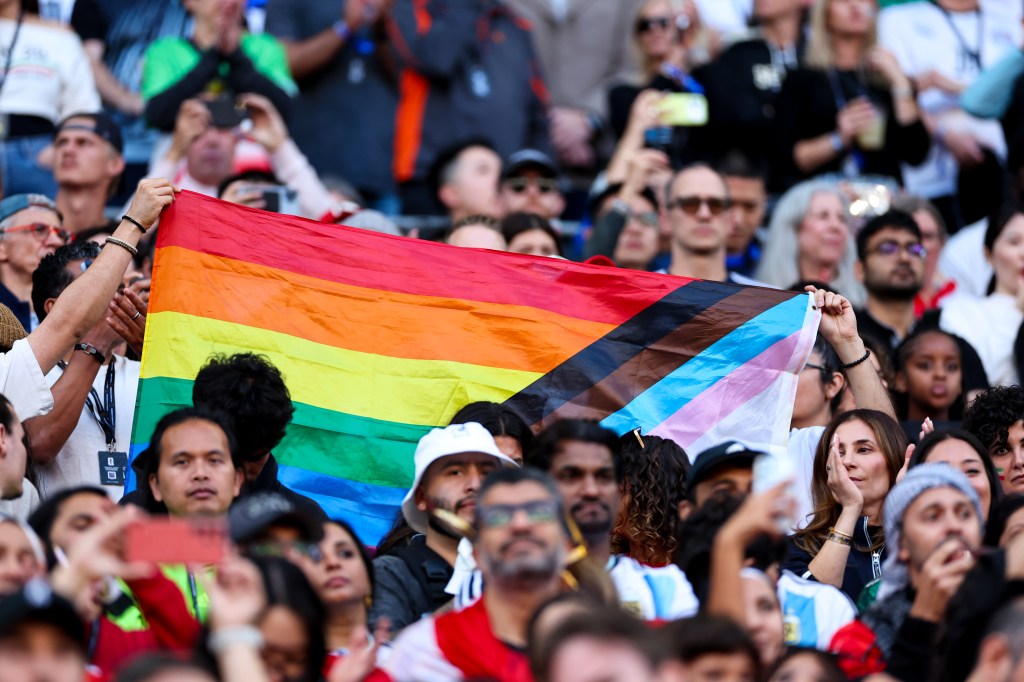
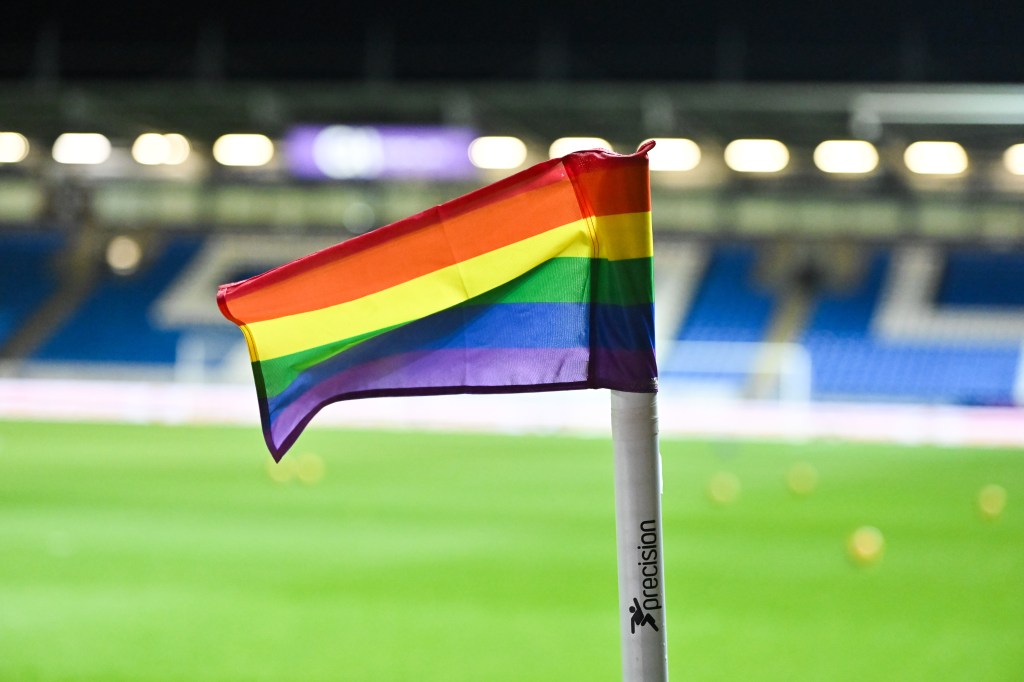
In another unexpected move, FIFA allowed rainbow flags to be flown and waved in the stadium.
In a statement (as per The Guardian), FIFA said: “General statements of human rights, including rainbow flags and other flags representing sexual orientation and gender identity, are permitted under the FIFA World Cup 2026 Stadium Code of Conduct and may be displayed inside stadiums.”
LGBTQ+ Fan Boycotts
Before the World Cup officially kicked off, it was clear LGBTQ+ football fans had questions about the safety of tournament attendance.
England’s football team’s LGBTQ+ fan group, Three Lions Pride, stated they would not attend the games. The group’s reasoning was that it cannot advise members that they will be safe as openly LGBTQ+ fans.
Alongside their warning, a travel warning for the 2026 World Cup over safety concerns was issued for LGBTQ+ fans.
Queer Football Fanclubs (QFF), Football Supporters Europe and the Sport & Rights Alliance backed Three Lions Pride. QFF spokesperson Sven Kistner said they also have “serious concerns regarding the safety not only of LGBTQ individuals travelling to the USA, but of all travellers to the 2026 World Cup”.
“The ever-worsening conditions for minorities in the USA under this administration leave us with practically no other conclusion than to advise our members against travelling,” Kistner added.
Anti-discrimination network Fare described the situation as “sad and regrettable” that the “most high-profile national team LGBTQ supporters group in the world feel the situation is so difficult that they are unable to travel and have declared a boycott”.
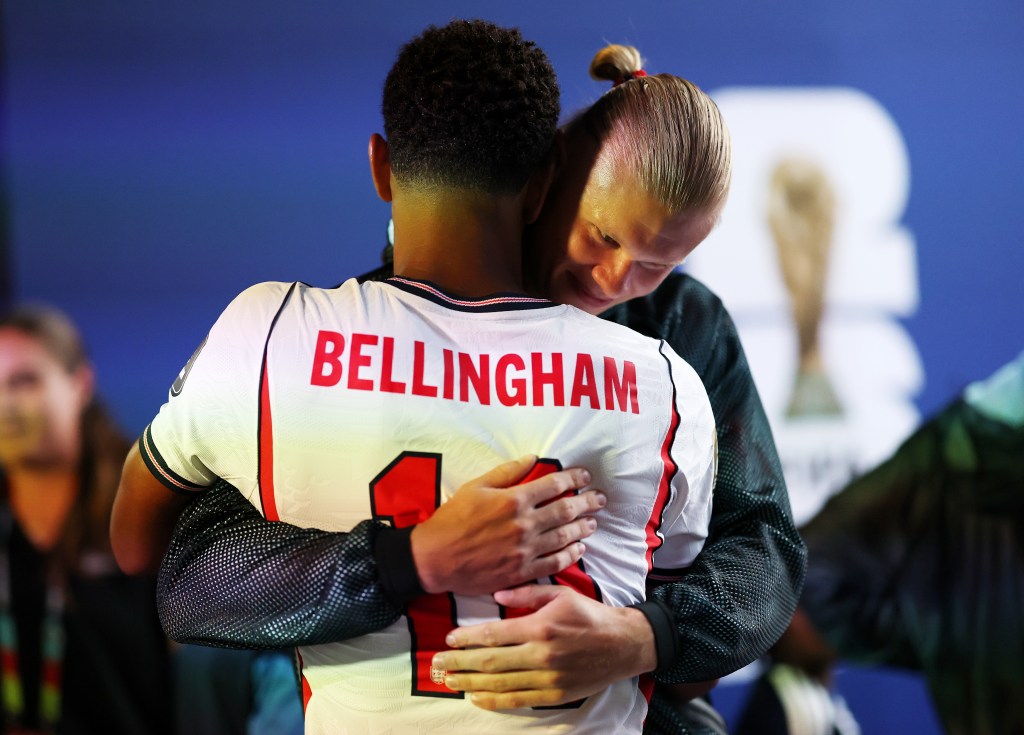
Erling Haaland and Jude Bellingham’s bromance
Though much of the World Cup saw tensions rise on the pitch, one duo delighted us with their wholesome bromance. Fans latched on, their pairing certified with a Chappell Roan soundtracked edit and edits that reached over a million views.
Norway’s Erling Haaland and England’s Jude Bellingham played opposite each other in the quarter-final match. England may have defeated Norway’s team 2-1 in extra time, but the real takeaway was Haaland and Bellingham’s sweet friendship.
They’ve had a long-standing friendship since they were teammates at Borussia Dortmund in 2020, playing together for two years.
During this time, it was clear they had a close friendship, including their giggly appearance together on a Pick-Up Lines for Valentine’s Day video.
In the World Cup, their friendship was spotlighted with fans making edits of their camaraderie over the years and the tournament.
The pair’s friendship is a nice ointment to the toxic masculinity that can be associated with football culture.
There was no shortage of Bellingham-Haaland content, from them teasing each other on the pitch to launching themselves into each other’s arms; they are one of our top World Cup highlights.