24 the Best Bisexual Characters In TV History
(Screen capture/BBC)
Image: Screen capture/BBC One
To an extent, gay and lesbian characters are flourishing on the small screens. Yet it feels as though bisexual and pansexual characters often don’t make the cut. But there’s been a boom of bisexual folk in recent years, and, while not comprehensive, here’s our list of the 35 best bisexual+ characters in TV history.
Waverly Earp, Wynonna Earp .
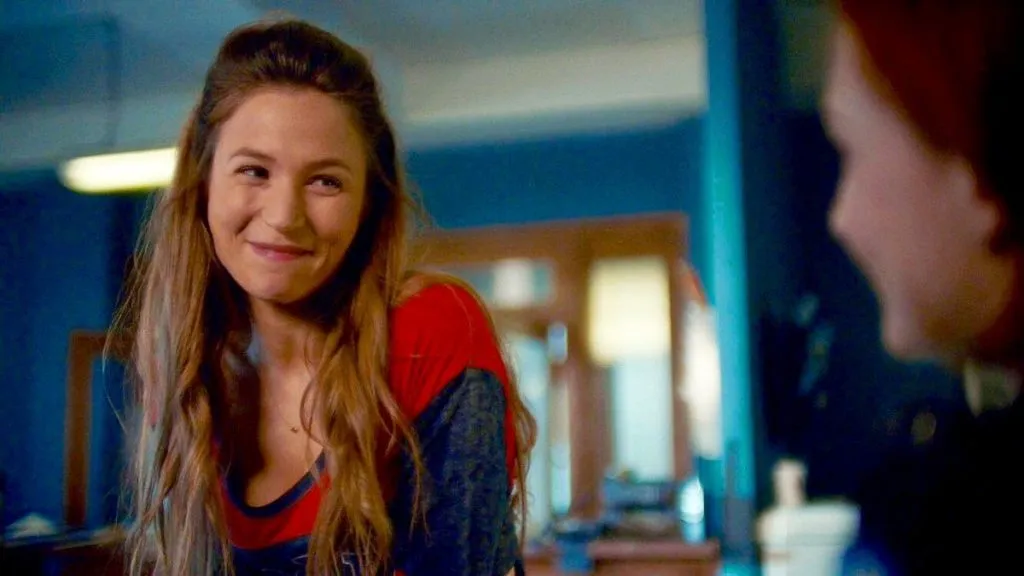
One of the overarching capital Q, Question that looms over the supernatural Western horror TV show is: ‘Who is Waverly Earp?’
To be fair, the character herself doesn’t really know either.
But what she does know is that when Amy, a seriously hot police officer, walks into the room, her body is totally ready for her.
Freddie Baxtor, Cucumber/Banana.
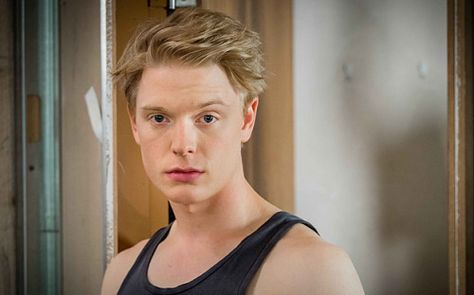
There’s barely an episode in the British TV series created by Russell T. Davies where Freddie Baxtor isn’t at one point shirtless and in his y-fronts.
The 25-year-old floppy-haired dreamboat is played by Freddie Fox, and sleeps with men and women throughout the show.
Doped up on the carnal, Baxtor is a college dropout who found relief in the gay village of Manchester, England.
Princess Bubblegum and Marceline the Vampire Queen from Adventure Time.
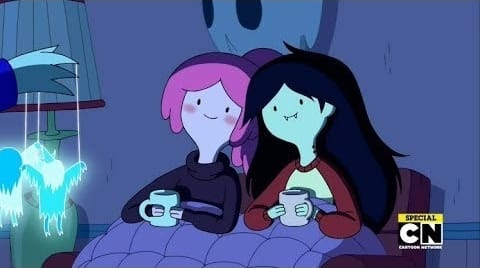
They might be two-dimensional, but the impact of these two kissing on a modern kid’s cartoon was absolutely groundbreaking.
It only took eight years, but in the series finale of Adventure Time, fans were left in tears as a montage saw Marceline and Bubblegum adorably kiss.
The show, which aired on Cartoon Network during the 2010s, long hinted at the pairing which sent Tumblr into a frenzy for all the right reasons when it finally happened.
Valencia Perez, Crazy Ex-Girlfriend .
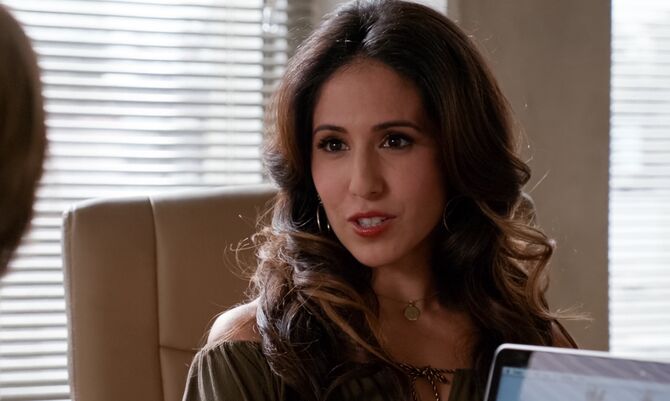
Some queer characters are introduced in the context of their sexuality – their coming out, their first time, the new queer kid on the block who’s picked on, et cetera.
But, like in life, sexuality isn’t always immediate. Some discover ourselves later in life, much like Gabrielle Ruiz’s character in the CW show.
In season three, she’s causally revealed to have a girlfriend. It’s not questioned by any characters and it’s treated as completely normal, a refreshing change from many shows that would have easily dramatised and sensationalised her ‘Big Reveal.’
Fleabag, Fleabag .
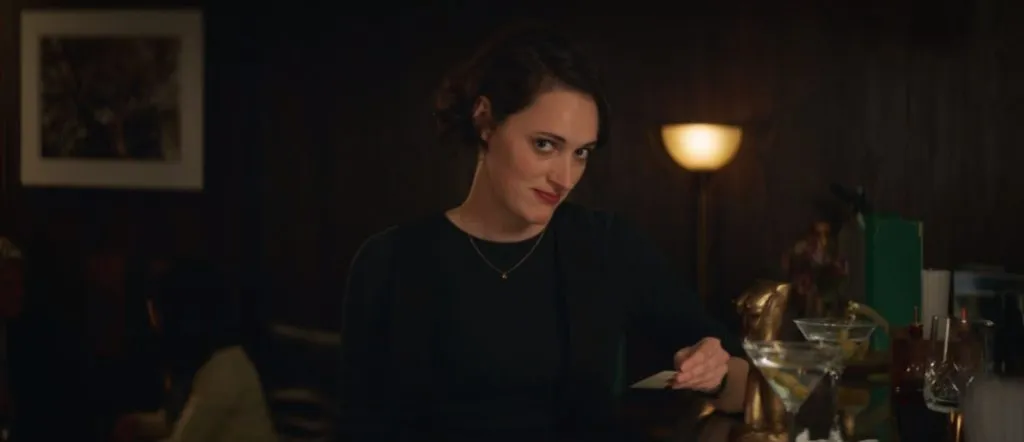
The Hot Priest stole the hearts of many, but one scene in Phoebe Waller-Bridge’s BBC Three comedy show sent shockwaves among viewers.
The show’s nameless protagonist goes through swerves of men, but she ends up getting hit on in a bar by business woman Belinda (Kristin Scott Thomas).
When Belinda asked Fleabag if she is a lesbian, she blithely responded: “Not strictly.”
Bill Pargrave, Killing Eve.
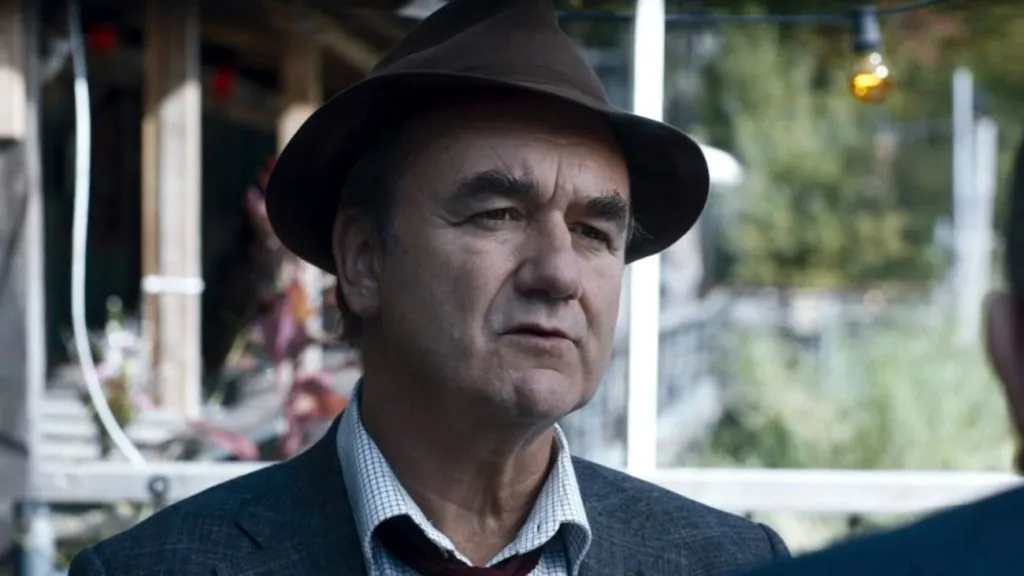
We’ve all heard the biphobic trope that bisexuality is a ‘young person’ thing, that it’s trendy and just a short-order sexuality.
So, when 61-year-old Bill Pargrave is casually revealed to be bisexual in episode three of season one, it’s heart-warming to see.
“I just fall in love with whoever I fall in love with,” he said.
Miles Hollingsworth III, Degrassi .
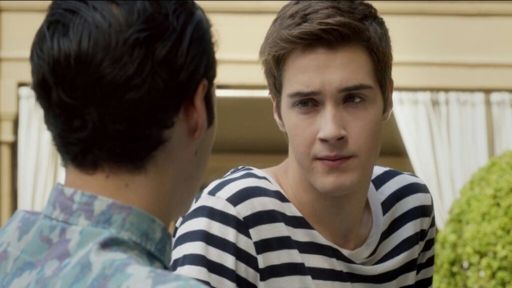
Eric Osborune’s Hollingsowrth III character became more than the typical rich boy archetype when he began to fall for Tristan Milligan in the Canadian drama.
It kicked off a defining arc for the character, who learned not to resist or be afraid of the label ‘bi’ which, in turn, helped him fall even further in love for Dallas.
While there are other characters on the show who are queer, Hollingsworth III was a huge leap as the first of them to refer to himself as bisexual.
Kalinda Sharma, The Good Wife .
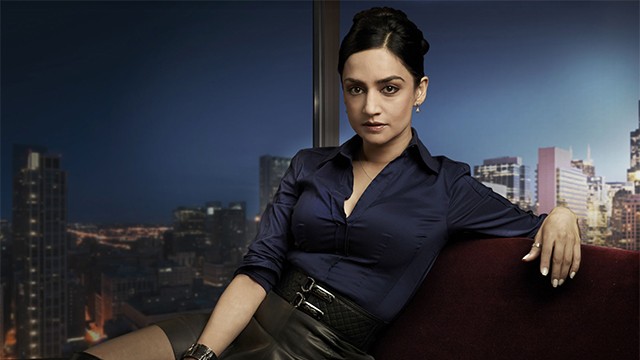
Writers dangled the prospect of Sharma being bi for years.
Then, one day, the CBS show saw Sharma kiss a woman in an example of remarkable representation for bi folk. She has significant relationships with both men and women, both of which are treated sensitively and equally.
Archie Panjabi’s portrayal of Sharma scored her multiple Emmy nominations throughout the show’s original airing.
Nola Darling, She’s Gotta Have It.
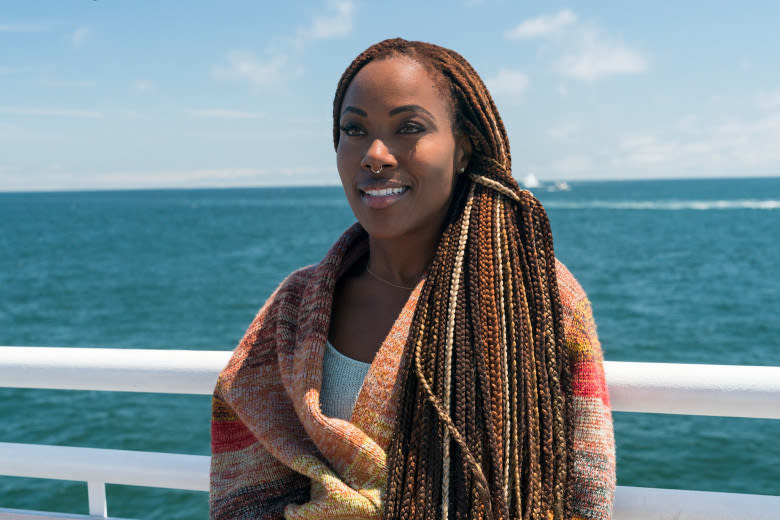
Spike Lee’s Netflix original series captured a complex kind of queerness in the form of Zoe Kravitz’s character.
Nola Darling dubbed herself a “sex-positive, polyamorous pansexual” on the show and described how she found “peace” with her partner, Opal Gilstrap (Ilfenesh Hadera).
All in all, she was a defiant and arresting breath of fresh air. Although, she first dated Gilstrap because he was on a “man cleanse,” which isn’t exactly positive.
Bob Belcher, Bob’s Burgers
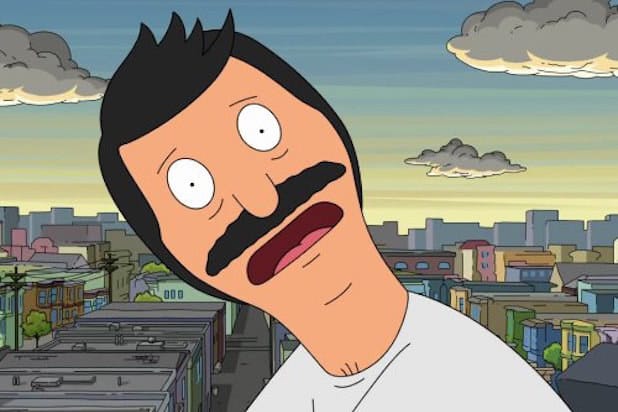
We’re often taught that we should have eyes for the person we marry and nobody else. But this is a trope that Bob’s Burgers titular main character subverts.
He casually addresses his sexuality in the episode ‘Turkey in a Can,’ when he talks to the deli cashier. There’s also hints throughout the animated comedy that he’s not straight.
What his character does is demonstrate that sexuality cannot be capped by marital vows; it is possible to find men attractive as well as being happily married to your wife. Breaking news, huh?
Vignette Stonemoss, Carnival Row .
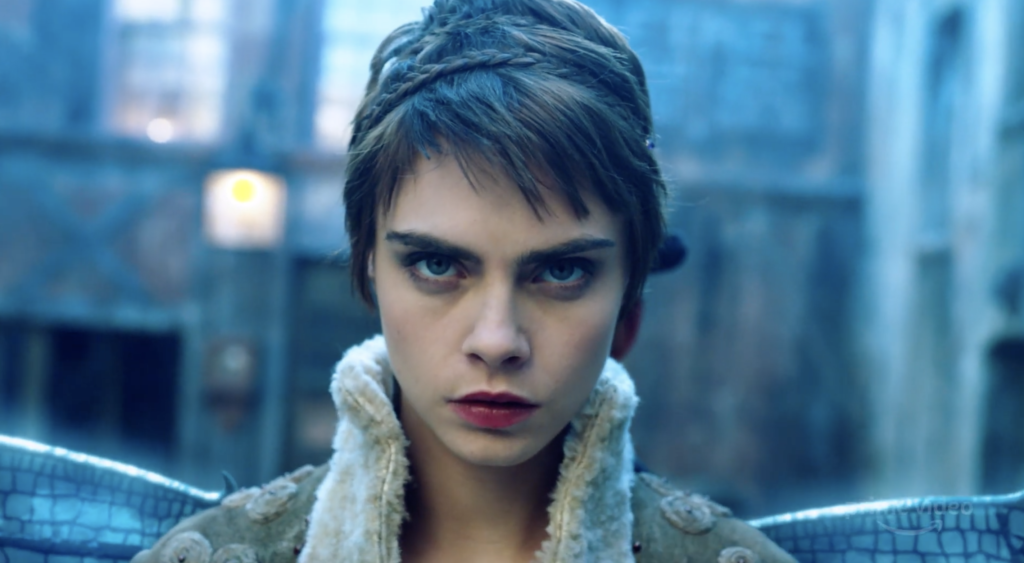
Now, this is the role Cara Delevingne was born to play – a pansexual faerie.
The Amazon Prime original is set in a neo-Victorian world filled wit mythological immigrant creatures who resettle after their forest home is invaded by humans.
Speaking to i, Delevingne said on pansexuality in the show: “All faeries generally are. They don’t see gender. It’s all about who they are and their hearts.”
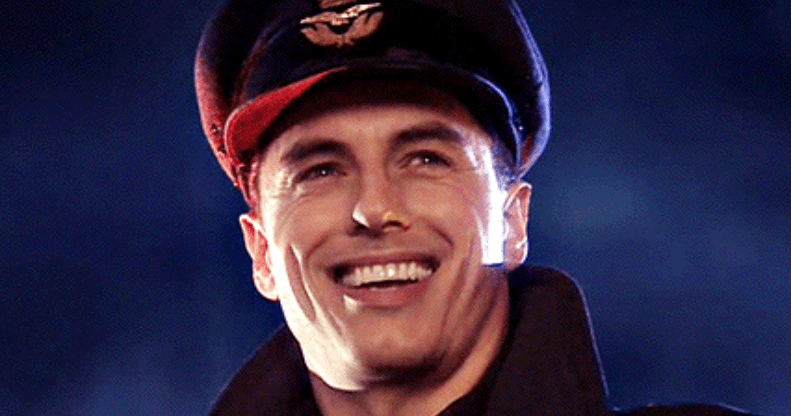
Captain Jack Harkness, Doctor Who/Torchwood.
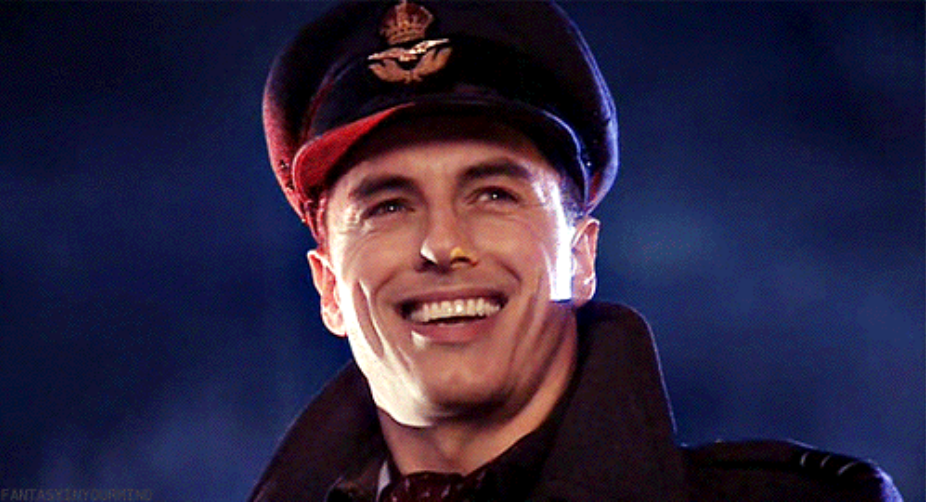
If there’s one word that can define Harkness, that handsome guy played by John Barrowman, it’s flirting.
Torchwood’s producer, Russel T. Davies, explained in an interview: “Jack is omnisexual and not just gay.”
Omnisexual refers to someone who is attracted to all genders, which rings true, considering just how many relationships and flirtations Harkness has over the years.
Eve Polastri, Killing Eve .
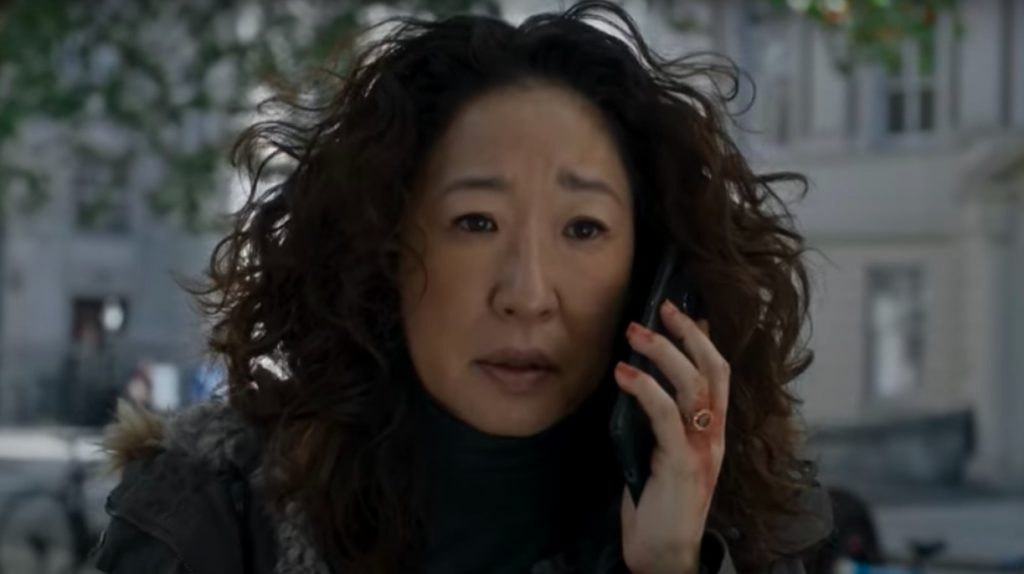
Somewhat steely when it comes to the men she’s dated throughout the seasons, Sandra Oh’s Eve is cool, calm and collected.
That is, until she meets Villanelle. When learning of the assassin, Eve forgets to have sex with her husband as well as forgetting about dinner.
Eve is unaware of her sexuality, and her mutual attraction with Villanelle give her a strange way to explore it.
Nico Minoru, Marvel’s Runaways .
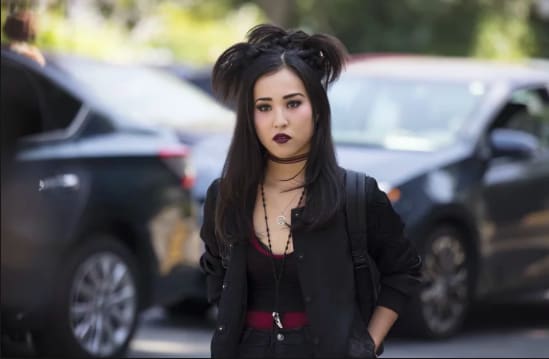
While there’s a lot of push and pull from tie-wearing executives and fans about queer rep in cinema, the TV-side of the Marvel universe is a little ahead of the curve here.
Nico Minoru (Lyrica Okano) is the witchy Sister Grimm of the show and a massive step in casting diverse people in big-budget TV. As a bisexual Asian-American, Minoru is first introduced as a love interest for a male character.
But later, she falls for a lesbian alien, Carolina Dean, becoming a sign for fresher, more queer decision-making for TV comic-book adaptations.
Gael Martinez, Good Trouble.
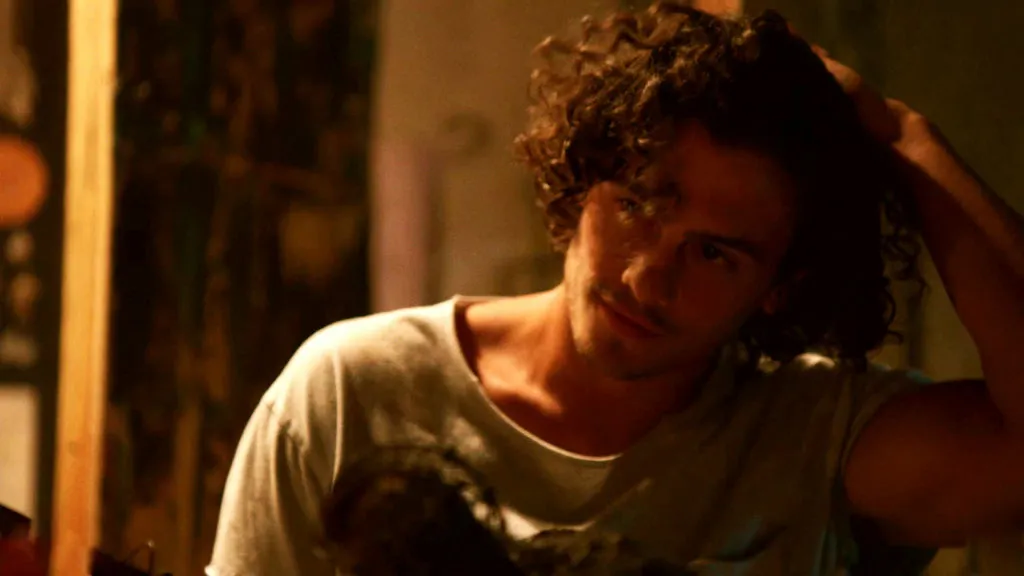
Politically active, socially conscious, proudly polyamorous and boastfully bisexual – Martinez is an artist on The Fosters spin-off show.
Characters being queer can have a lot of on-screen impacts, but it can also affects the lives of those who play them. Tommy Martinez on a panel this year revealed he had a same-sex experience 10 years ago.
He was, in part, inspired by playing his character. He said in an interview with MTV that a family member’s biphobia motivated him to be more open: “It’s like breaking down that wall that like, ‘Oh, you can’t talk about it.’ Here, I’m throwing it out at you. Let’s talk about it.”
Rosa Diaz, Brooklyn Nine-Nine.
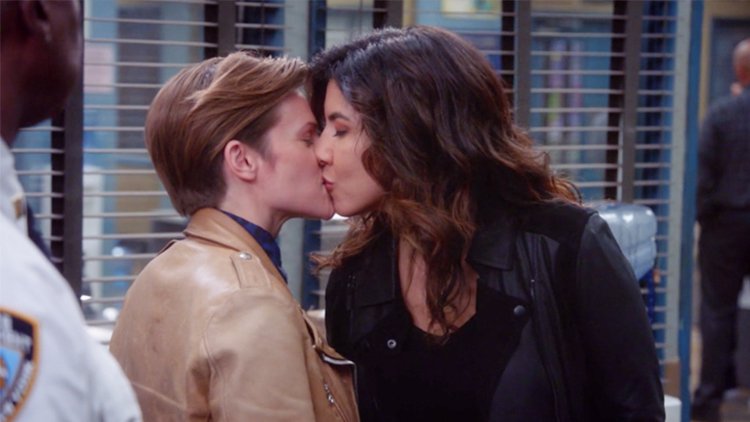
Now, she’s a character who honestly needs no introduction.
Rosa Diaz is the resident badass of the New York City precinct and a major fan-favourite, but she upped the ranks when she came out as bisexual in season five of the FOX TV show.
Stephanie Beatriz, the queer actress who plays Diaz, said that it was extremely important to her to have the word “bisexual” said by Diaz herself, as the term is often skated around on television, as form of bi-erasure.
John Constantine, Legends of Tomorrow.
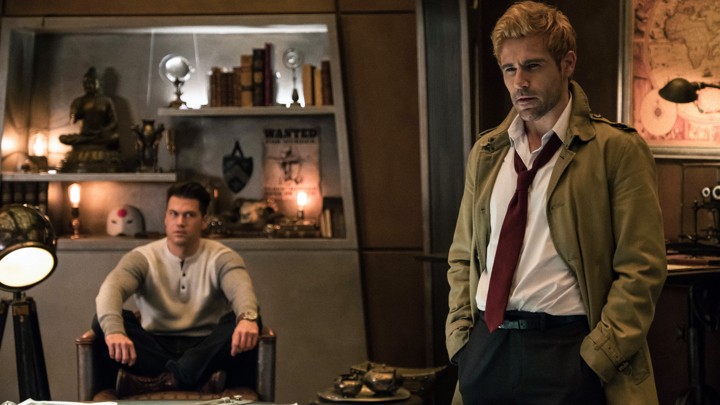
An occult detective from Liverpool, England, the DC’s Legends of Tomorrow character is a steamy anti-superhero.
The trench coat-wearing, chain-smoking warlock has had his sexuality erased in some adaptations of the comic book, but his self-discovery was carved out in the CW TV adaption.
He regularly sweet talks men and women in a depiction of bisexuality that is expansive, wide-ranging and truly does not care what people think of him.
Magnus Bane, Shadowhunters .
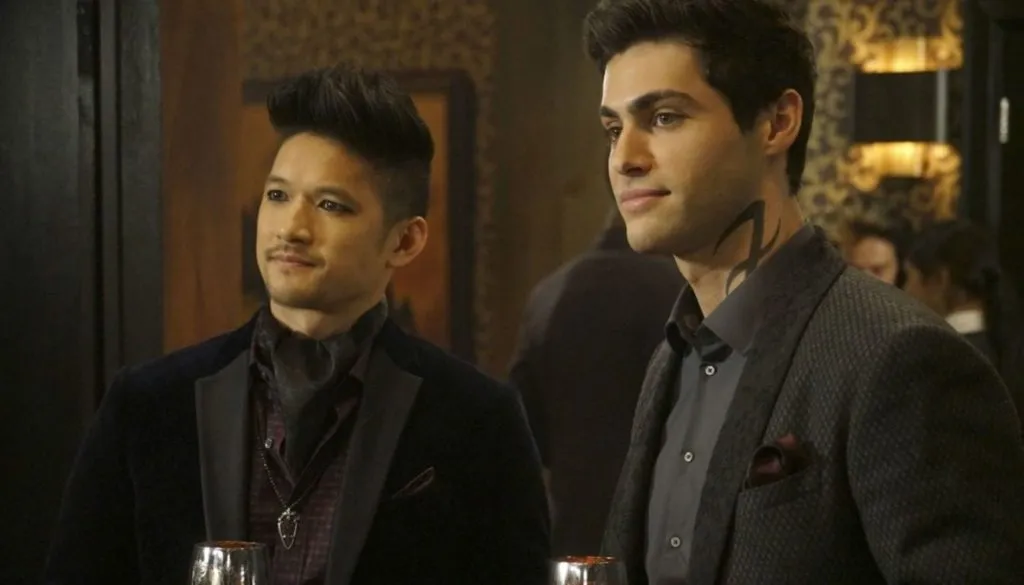
Freeform’s popular Shadowhunters featured an immortal, bisexual warlock named Magnus Bane. Yeah, you read that right.
Played by the eternally beautiful Harry Shun Jr., Bane becomes, well, the bane of Alec Lightwood’s (the aggressively attractive and tall Matthew Daddario) life as the two fall in love but encounter bumps along the way. But the two end up blissfully married in the end.
‘Malec’ offered fans a complex positive and all-round unique look at a queer relationship. Hints at the two’s pairing were sprinkled by writers throughout, until Lightwood, meeting someone he can open up to, finally forces him to realise who he is.
Toni Topaz, Riverdale .
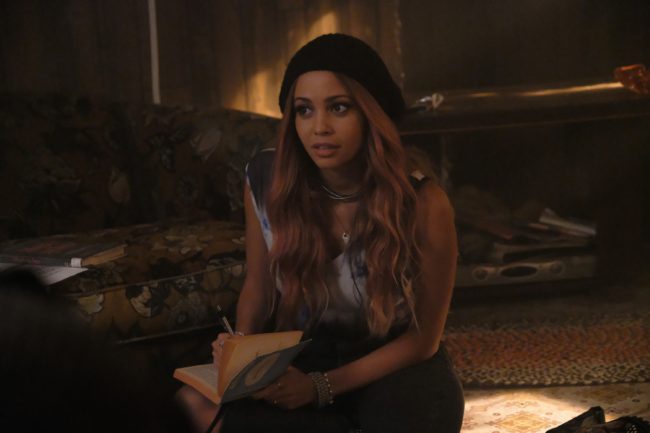
Damn, Riverdale, back at it again with the bisexual representation.
Topaz caused a storm back in 2017 when she kissed Jughead, sending Bi Twitter and Tumblr into a gyre of glee.
As a result, Vanessa Morgan’s character became the show’s first openly bisexual character.
Tara Thornston, True Blood.
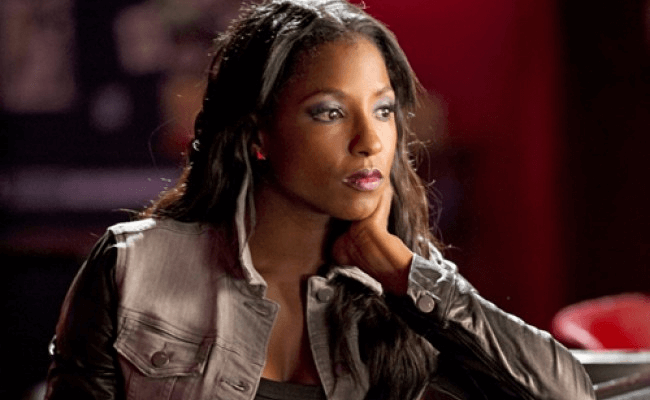
In the dark fantasy HBO show, True Blood, Tara Thornston did not have an easy life.
Played by Rutina Wesley, Thornston breathed fire into the show throughout its run. Calling white folk out for racism and constantly standing up for her pals.
She found some relief in her relationships, which included both men and women, and also uses her own sexual prowess as currency over other queer women; something not always depicted on TV.
Daryl Whitefeather, Crazy Ex-Girlfriend .
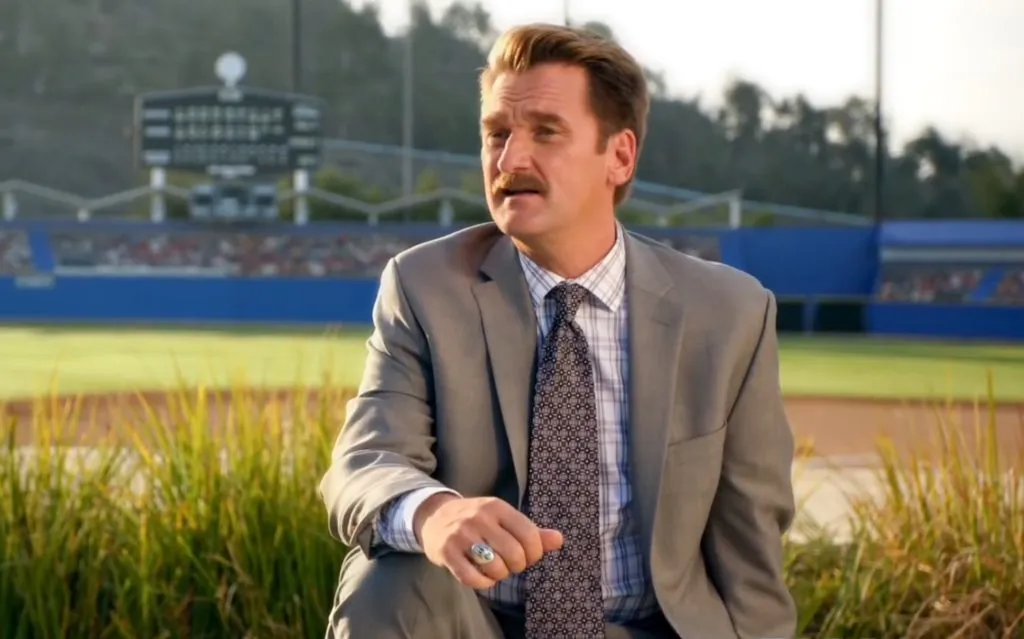
A plot arc that gave the bi community one of the biggest, most beautiful bi anthems of the century, yet a middle-aged divorcé with a child doesn’t exactly scream bi-hero at first.
But portrayed by Pete Gardner, when Whitefeather comes out as bi (true to the show’s musical style) he proudly belts a catchy as song about “getting’ bi,” and how he’s not “choosing sides.”
Importantly, he’s shown to have relationships with both men and women and his sexuality is never made into a barrier or problem in any of them, as well as having a kid. Phew.
Villanelle, Killing Eve .
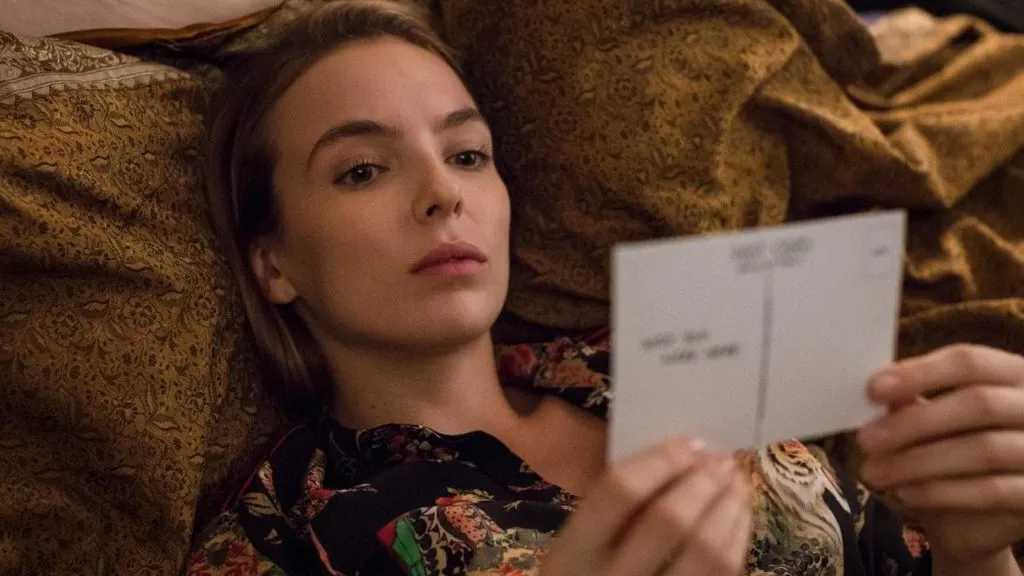
“I think about you, too,” Villanelle (Jodie Comer) said in the season one finale, “I mean, I masturbate about you a lot.”
With all its queer-coding and baiting, the bi+ rep in Killing Eve could have gone very, very wrong. But the porcelain-skinned, Chloé-wearing Russian assassin thrives off sex (and couture) and owns her sexual fluidity outright.
She and Sandra Oh’s (Eve) relationship is layered, weird and often unsettling, but has captured the hearts of millions of viewers.
Jackson Whittemore and Brett Talbot, Teen Wolf.
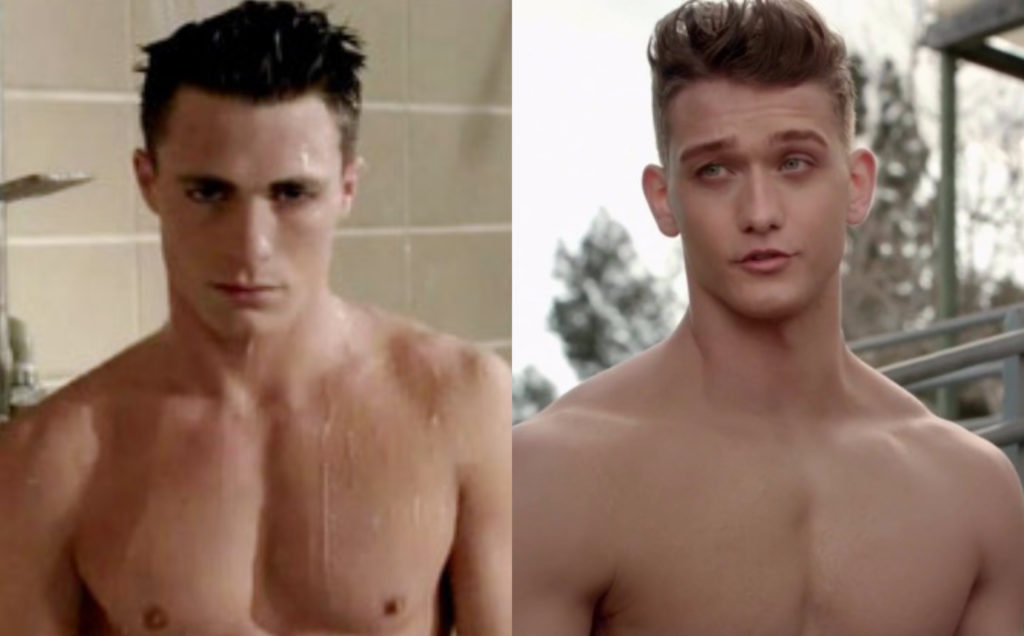
Woof. Fans have long accused the MTV show of queer-baiting, but it does have two dedicated bi+ characters.
The first is the swoon-worthy Jackson Whittemore, played by Colton Haynes, who began a relationship with Ethan (Charlie Carver) towards the end of the first season.
Moreover, lacrosse hunk Brett Talbot (Cody Saintgnue) is openly bi. While being hunky and white probably helped, having such long-standing bi guys in a mainstream TV show was major.
Tony Stonem, Skins
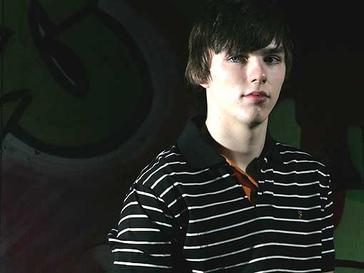
Remember Skins? It’s the definition of a cult classic, and, boy, was it a weird one. Its antihero was Tony Stonem, played by the waifey Nicholas Hoult.
Stonem had a roaring sexuality that is not easily defined, complimented by the varied, dented reading list he is often shown with – everything from Jean-Paul Sartre’s La Nausée to Oranges Are Not the Only Fruit, by Jeanette Winterson.
He ended up having a one-night stand with openly gay Maxxie (Mitch Hewer), and, during a dream sequence, referred to himself as polysexual.