
Trans students perform better with supportive teachers, study finds
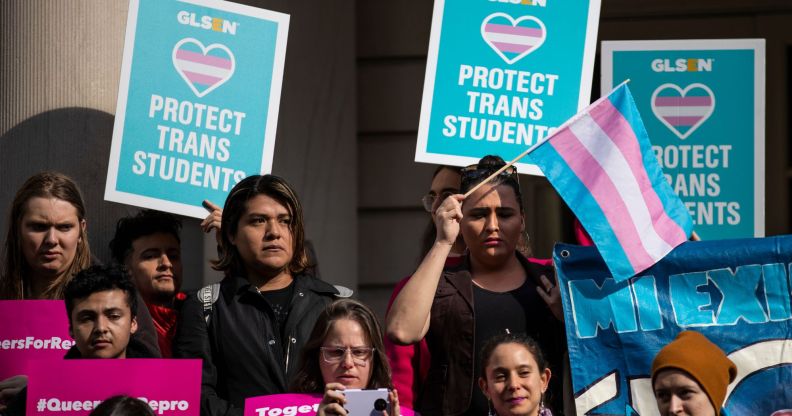
A new study has looked into the experiences of trans students (Getty)
Supportive teachers can make a huge difference in whether transgender and non-binary students feel like they belong at school, and new research suggests that support can translate into better academic outcomes as well.
A new report released Tuesday (18 August) from LGBTQ+ advocacy groups GLISTEN and the Trevor Project found that trans students whose identities are affirmed at school report greater belonging, higher grades and more engagement in the classroom.
Some of the actions that make the biggest difference are remarkably simple, such as asking students what name and pronouns they use, consistently affirming those names and pronouns, talking about LGBTQ+ people and issues in the classroom, supporting LGBTQ+ student groups and creating policies that allow students to participate fully in school life.
Students also reported better experiences when they could connect with other LGBTQ+ peers, see positive LGBTQ+ representation in their classrooms and attend schools with inclusive policies like allowing students to use facilities and participate on sports teams in ways that align with their gender identities.
More than half of trans and nonbinary students surveyed said their school had implemented at least one policy or practice they considered discriminatory toward LGBTQ+ students. Around 60 percent reported experiencing at least one negative event at school, including verbal harassment related to their LGBTQ+ identity and restrictions on how they could dress.

A quarter of students reported that they missed 16 or more days of school during the previous year, while nine percent said they were treated so badly that they left their school altogether.
The research drew on more than 3,700 transgender, non-binary and gender-diverse young people ages 13 to 24 who responded to the Trevor Project’s survey, alongside nearly 2,000 trans middle and high school students who participated in GLISTEN’s 2025 National School Climate Survey.
Researchers stress that the findings aren’t only about documenting the harm trans students face but also about providing examples of what schools can actually do to mitigate the harm their trans pupils face.
Shweta Moorthy, GLISTEN’s director of research and best practices, said students are calling for educators to move beyond what she described as “negative neutrality”.
Simply not bullying or discriminating against LGBTQ+ students isn’t necessarily enough. Students want teachers to actively demonstrate that they are welcome, valued and supported.
As Trevor Project research director Derrick Matthews put it, school environments can play a powerful role in determining whether transgender and non-binary students “thrive or struggle”.
Share your thoughts! Let us know in the comments below, and remember to keep the conversation respectful.